Let’s be honest for a second. You know that feeling when you’re staring into the fridge at 6 PM? The lights flicker on, and you see a sad, wilting bag of spinach, three bruised carrots, and maybe some leftover chicken that’s been sitting there since Tuesday. You sigh. You close the door. You think about ordering takeout.
I’ve been there. More times than I care to admit.
But here’s the secret I learned the hard way: the difference between a boring, soggy stir fry and a restaurant-quality masterpiece isn’t the wok. It’s the sauce. I remember the first time I made this specific blend. I was trying to recreate that sticky, savory glaze from a tiny hole-in-the-wall place in Chinatown. I spent weeks tweaking ratios. Too much sugar? Cloying. Too much salt? Undrinkable. Too thick? A paste, not a sauce.
After about twelve failed batches, I finally nailed it. This Best Stir Fry Sauce recipe is the result of that chaotic kitchen experiment. It’s the kind of sauce that makes you stop mid-chew and just nod in approval. It’s sweet, salty, tangy, and slightly spicy all at once. And honestly? It takes five minutes. Just five. You don’t need a trip to the Asian grocery store for exotic ingredients. You probably have half of it in your pantry right now.
This isn’t just about saving time. It’s about unlocking flavor. Whether you are a busy parent feeding picky kids or a college student trying to eat better than ramen, this sauce is your new best friend. It coats every piece of vegetable and protein evenly, creating that glossy, appetizing sheen that makes people ask, “What is *in* this?”
I’ve tested this recipe with everything from tofu to steak to shrimp. It works with all of them. It’s versatile enough to be your go-to weeknight hero. So, put down the takeout menu. Let’s make something that tastes like you spent hours in the kitchen, but actually took less time than it takes to wait for a delivery driver.
Why You’ll Love This Recipe
There are a thousand stir fry sauces out there. So why this one? Well, let me tell you why this specific combination has earned a permanent spot in my rotation. It’s not just about convenience, though that’s a huge plus. It’s about balance. Most homemade versions lean too heavily on soy sauce, leaving you with a metallic, one-dimensional saltiness. Or they rely entirely on sugar, resulting in a cloying mess that sticks to your teeth.
This Best Stir Fry Sauce finds that perfect sweet spot. Here is why it stands out from the crowd:
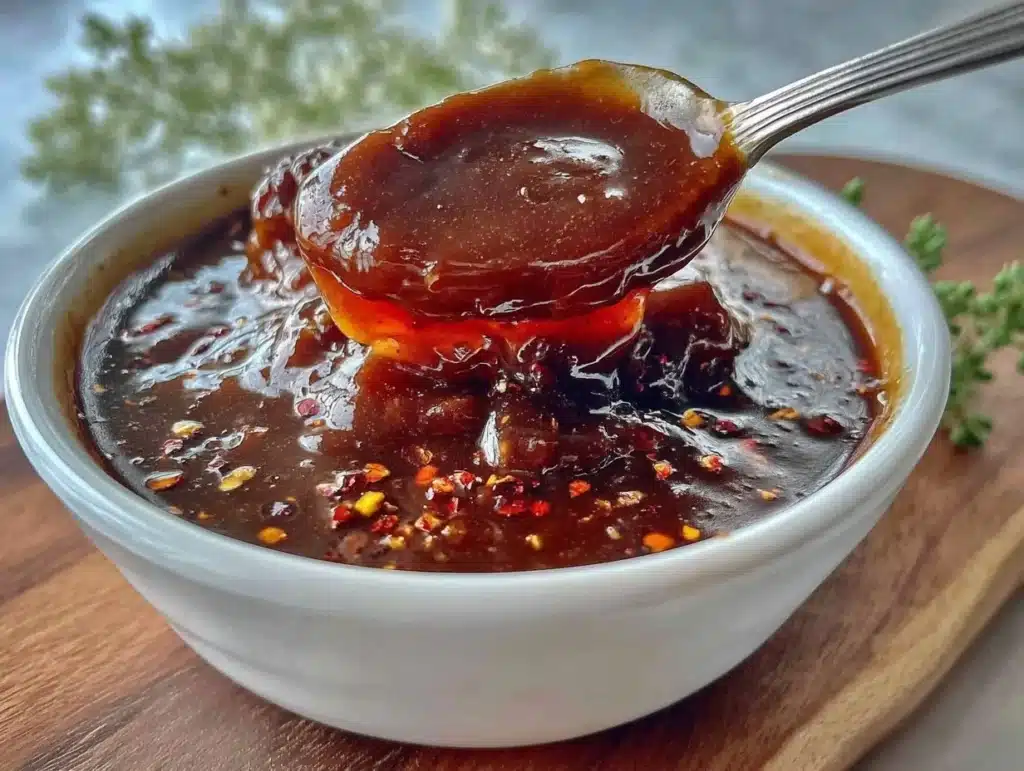
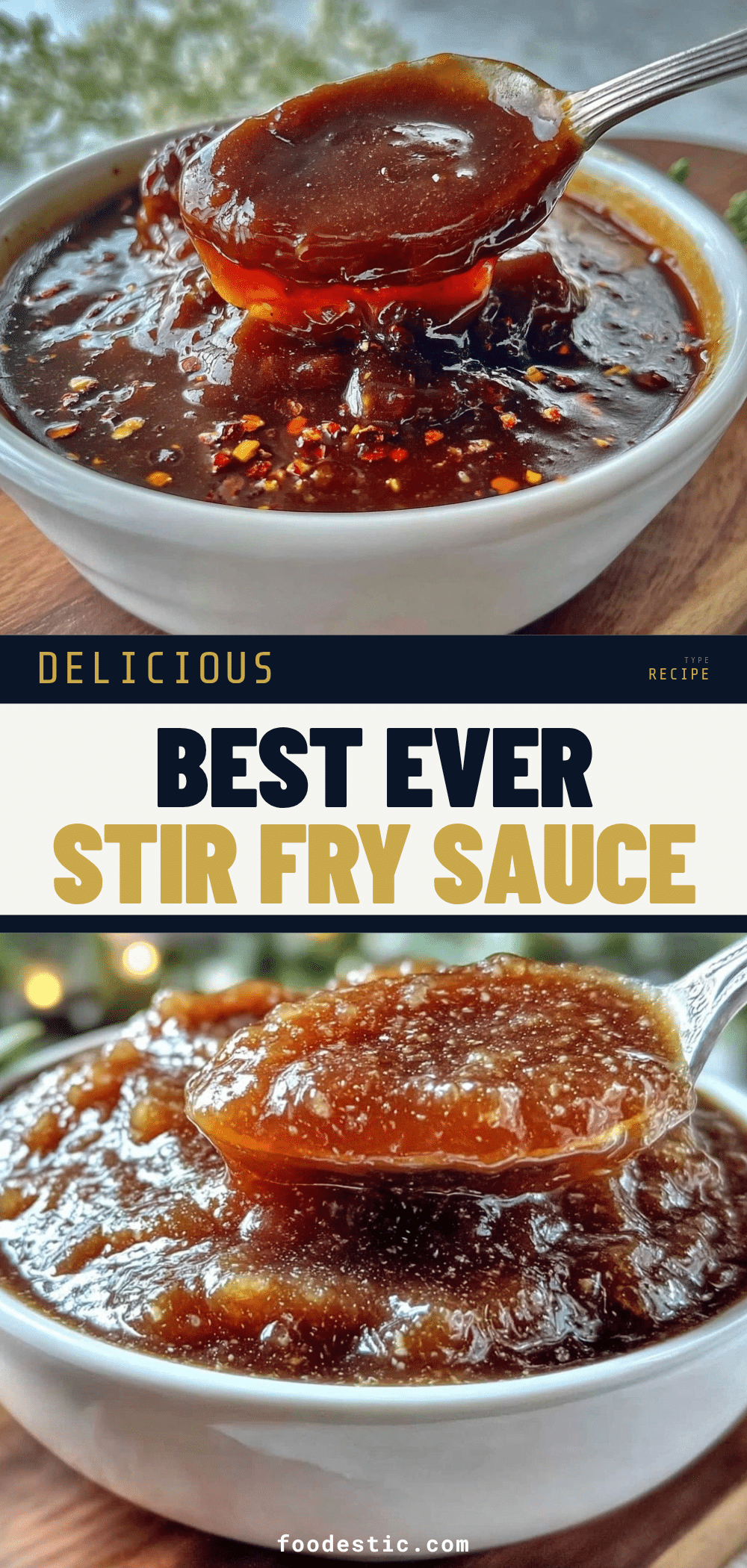
- Restaurant-Quality Gloss: The secret isn’t just cornstarch; it’s the ratio. When you hit the hot wok, this sauce thickens instantly, clinging to your ingredients rather than pooling at the bottom of the pan. That glossy finish is what makes stir fry look as good as it tastes.
- Five-Minute Magic: I’m serious. Five minutes. That is how long it takes to whisk this together. No chopping, no simmering for an hour, no complex techniques. Just a bowl, a whisk, and about 30 seconds of active effort. It is perfect for those nights when you are exhausted and just want to eat.
- Pantry Staples Only: You do not need to hunt down obscure ingredients. We are talking soy sauce, brown sugar, rice vinegar, garlic, ginger, and sesame oil. If you have a kitchen, you have the tools. This makes it incredibly accessible for beginners and reliable for pros.
- Flavor Depth: By adding a touch of oyster sauce (or a vegetarian alternative), we get that umami backbone that mirrors the complexity of a slow-cooked broth. It adds a savory depth that salt alone cannot achieve. It tastes like you know what you are doing.
- Customizable Heat: Love spice? Add chili flakes. Hate heat? Skip them. This sauce is a blank canvas for your heat preference. It adapts to your mood and your spice tolerance without changing the core flavor profile.
- Family Approved: My kids, who usually pick out every single vegetable, ask for this sauce specifically. They call it “the sticky stuff.” If you can win over the picky eaters with a healthy vegetable stir fry, you have truly succeeded. This sauce makes veggies taste like candy.
It’s that simple combination of textures and flavors that keeps me coming back. It’s comfort food, but lighter. It’s fast, but flavorful. It’s the kind of recipe that turns a mundane Tuesday night dinner into something you look forward to. Trust me, once you taste this, you will never buy bottled stir fry sauce again.
What Ingredients You Will Need
Creating the Best Stir Fry Sauce relies on a delicate balance of salty, sweet, sour, and savory elements. The beauty of this recipe is that it uses ingredients you likely already have, or can grab on the way home. We aren’t looking for exotic, hard-to-find items here. We are looking for quality basics that work together harmoniously.
Here is what you need to gather before you start cooking:
- Soy Sauce (1/2 cup): This is your salt and umami base. I recommend using a low-sodium soy sauce if you are watching your salt intake, but regular soy sauce works fine if you don’t add extra salt elsewhere. Kikkoman is a reliable brand I trust for consistent flavor.
- Brown Sugar (2 tablespoons): White sugar is too sharp. Brown sugar brings that molasses richness and helps with the caramelization. It gives the sauce its deep color and sticky texture. Pack it down when you measure it for accuracy.
- Rice Vinegar (2 tablespoons): This adds the necessary acidity to cut through the richness of the oil and protein. Do not substitute with white vinegar or apple cider vinegar; the flavor will be off. Rice vinegar is mild and slightly sweet.
- Chicken Broth or Water (1/4 cup): This dilutes the intensity of the soy sauce and helps the sauce coat the food evenly without being too salty. Unsalted broth is best so you can control the salt level.
- Minced Garlic (1 tablespoon): Fresh is non-negotiable here. Jarred garlic can taste metallic and bitter when cooked at high heat. Peel those cloves and mince them finely so they distribute evenly.
- Grated Fresh Ginger (1 teaspoon): Fresh ginger adds a bright, peppery kick. Pre-grated ginger in a tube often lacks that vibrant zing. Just grate a small piece of fresh ginger root on a microplane.
- Cornstarch (1 tablespoon): This is the thickening agent. It creates that velvety texture that clings to your vegetables. Make sure to whisk it into the liquid ingredients thoroughly to avoid clumps.
- Sesame Oil (1 teaspoon): A little goes a long way. This provides that nutty aroma that screams “Asian cuisine.” Add it at the end or mix it in; it is potent and fragrant.
- Optional: Oyster Sauce (1 tablespoon): For extra umami depth, this is a game-changer. If you are vegetarian, use mushroom stir fry sauce instead. It adds a savory complexity that salt and soy sauce can’t achieve alone.
- Optional: Red Pepper Flakes (1/2 teaspoon): Adjust based on your heat tolerance. This adds a gentle warmth without overwhelming the other flavors.
Keep these measurements precise. Stir fry sauce is a chemistry experiment. Too much cornstarch and you get globs. Too much sugar and it burns. Stick to this list, and you will get that perfect balance every single time.
Equipment Needed
You don’t need a professional kitchen to make this sauce. In fact, the simplicity is part of the charm. However, having the right tools makes the process smoother and the results better.
- Mixing Bowl: A small to medium-sized bowl is perfect for whisking the sauce ingredients together. Glass or ceramic works well, but any non-reactive bowl is fine.
- Whisk: Essential for breaking up the cornstarch clumps. A small balloon whisk is ideal because it fits into smaller bowls and incorporates air, ensuring a smooth mixture.
- Measuring Spoons and Cups: Accuracy matters here. Use standard measuring tools to get the balance right. One teaspoon too much soy sauce can throw off the whole dish.
- Wok or Large Skillet: While not needed for *making* the sauce, you need a wide, hot pan to cook your stir fry. A carbon steel wok is traditional and excellent for heat distribution, but a large non-stick skillet works perfectly for home cooks. It allows the sauce to reduce quickly and coat the ingredients evenly.
- Knife and Cutting Board: For prepping your vegetables and proteins. A sharp chef’s knife makes quick work of chopping garlic and ginger.
If you don’t have a whisk, a fork can work in a pinch, but it might leave small clumps of cornstarch. I’d recommend investing in a cheap whisk; it’s a kitchen staple you will use more often than you think.
How to Make the Best Stir Fry Sauce
Ready to get cooking? This process is incredibly straightforward. The key is to have all your ingredients measured and ready before you heat up the pan. This is called *mise en place*, and it prevents burning because stir fry cooks fast.
- Combine Wet Ingredients: In your small mixing bowl, pour in the soy sauce, rice vinegar, and chicken broth. Whisk these together until they are fully blended. This creates the liquid base of your sauce.
- Add Aromatics: Add the minced garlic and grated ginger to the bowl. Stir them into the liquid. You want the garlic and ginger dispersed evenly so every bite has a bit of flavor.
- Incorporate Sweeteners: Add the brown sugar and oyster sauce (if using). Whisk vigorously until the brown sugar is completely dissolved. If the sugar doesn’t dissolve now, it might seize up when it hits the heat. Take a moment to ensure it’s smooth.
- Thicken with Cornstarch: Sprinkle the cornstarch over the mixture. This is the critical step. Whisk immediately and thoroughly. You need to break up any lumps. The mixture should look slightly cloudy but smooth. If you see white specks, keep whisking.
- Add Fat and Heat: Stir in the sesame oil and red pepper flakes (if using). The oil will emulsify slightly with the water-based ingredients, creating a richer mouthfeel. Taste it now. It should taste a bit salty and sweet. Remember, it will thicken and concentrate as it cooks.
- Rest Briefly: Let the sauce sit for about 2-3 minutes while you prep your vegetables and protein. This allows the cornstarch to fully hydrate, which prevents clumping when it hits the hot pan.
- Cook Your Stir Fry: Heat your wok or skillet over high heat. Add your oil, then your protein and vegetables. Cook until they are nearly done. Then, give the sauce one final stir (cornstarch settles) and pour it in.
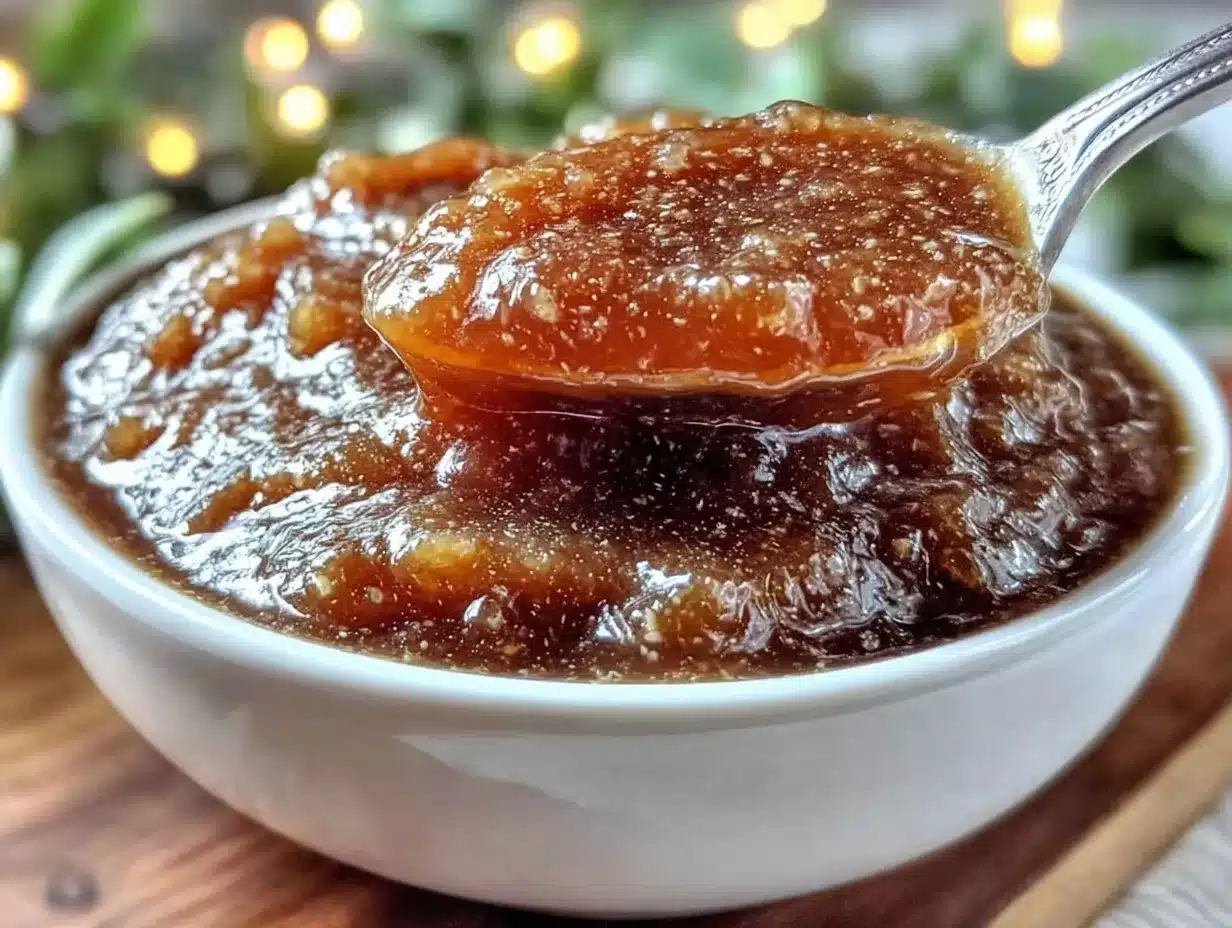
- Thicken and Coat: Stir constantly. The sauce will bubble and thicken within 30-60 seconds. Once it coats the back of a spoon and clings to your ingredients, it’s done. Remove from heat immediately to prevent burning.
That’s it. Simple, right? The whole process from bowl to pan takes less than five minutes. The result is a glossy, flavorful sauce that transforms your stir fry from good to great.
Cooking Tips & Techniques
Even simple recipes can go wrong if you aren’t careful. Here are some pro tips to ensure your Best Stir Fry Sauce turns out perfectly every time.
Don’t Skip the Whisking: Cornstarch settles at the bottom of the bowl quickly. If you pour the sauce in without whisking it again, you might end up with a bowl of clear liquid and a clump of white goo at the bottom. Always give it a quick stir right before pouring.
High Heat is Key: Stir fry sauce needs high heat to thicken properly. If your pan isn’t hot enough, the sauce will just boil and become watery. Get that pan smoking hot before you add your ingredients. This sears the food and allows the sauce to reduce quickly.
Watch the Sugar: Brown sugar burns easily. If you are using a very sweet sauce, keep an eye on the pan. If the sauce starts to darken too quickly, lower the heat slightly. You want it to thicken, not caramelize into a crust.
Adjust Consistency: Too thick? Add a splash of water or broth. Too thin? Mix a teaspoon of cornstarch with a tablespoon of cold water and stir it in. Cook for another 30 seconds. This gives you control over the final texture.
Fresh Aromatics Matter: I cannot stress this enough. Jarred garlic and powdered ginger lack the volatile oils that give fresh aromatics their punch. The difference in flavor is night and day. Take the extra minute to peel and grate fresh ingredients.
Balance Your Tastes: If your sauce tastes too salty, add a little more sugar or vinegar. If it’s too sweet, add a splash of soy sauce or vinegar. Taste as you go and adjust before it hits the pan.
Variations & Adaptations
One of the best things about this sauce is how adaptable it is. You can tweak it to fit your dietary needs or flavor preferences without losing the core appeal.
Vegetarian/Vegan Version: Simply swap the chicken broth for vegetable broth and the oyster sauce for mushroom stir fry sauce or soy sauce. The flavor profile remains savory and rich. You can also omit the oyster sauce entirely and add a dash of miso paste for umami depth.
Spicy Kick: For those who love heat, add 1-2 teaspoons of chili garlic sauce or Sriracha. You can also toast some chili flakes in the oil before adding the vegetables for a deeper, smokier spice.
Gluten-Free Option: Use tamari instead of soy sauce. Tamari is a gluten-free soy sauce alternative that has a richer, smoother flavor. It works perfectly in this recipe.
Low-Sugar Version: If you are watching your sugar intake, you can reduce the brown sugar to 1 tablespoon and add a sugar-free sweetener like erythritol. Note that sugar also helps with browning, so the color might be slightly lighter.
Thai-Inspired Twist: Swap the rice vinegar for lime juice and add a teaspoon of red curry paste. This creates a fragrant, citrusy sauce that pairs beautifully with shrimp and coconut milk.
Personal Favorite: I often add a teaspoon of hoisin sauce for a deeper, slightly sweet-savory note. It’s a personal tweak that adds complexity, but it’s optional. Experiment to find your perfect blend.
Serving & Storage Suggestions
This sauce is best served immediately over hot, freshly cooked stir fry. The glossy texture is most appealing when warm. Serve it over steamed jasmine rice, brown rice, or cauliflower rice for a lower-carb option.
Storage: Any leftover sauce can be stored in an airtight container in the refrigerator for up to one week. The cornstarch may thicken further when cold, so you might need to add a splash of water or broth when reheating.
Reheating: Reheat the sauce gently in a small saucepan over low heat, stirring constantly until it returns to a pourable consistency. Do not microwave it in a bowl without stirring, as it can separate.
Freezing: You can freeze the sauce, but the texture may change slightly due to the cornstarch. Thaw it in the refrigerator and whisk well before using. It’s best used in cooked dishes rather than as a fresh dipping sauce after freezing.
Flavor Development: The flavors meld and deepen slightly after sitting for a day. If you make a batch ahead of time, let it sit overnight for a richer taste.
Nutritional Information & Benefits
While this sauce is delicious, it’s important to be mindful of sodium and sugar content. Soy sauce is high in sodium, so if you are watching your salt intake, use low-sodium soy sauce and reduce the amount slightly.
Each serving of the sauce (approx. 2 tablespoons) contains roughly 30-40 calories, with about 6-8 grams of sugar and 300-400mg of sodium. It is relatively low in fat and protein.
Using fresh garlic and ginger adds anti-inflammatory benefits and antioxidants. Ginger, in particular, is known for aiding digestion. By making your own sauce, you control the ingredients and avoid preservatives or high-fructose corn syrup found in many bottled versions.
This sauce allows you to eat more vegetables by making them more palatable. The glossy coating encourages you to eat a larger portion of veggies, contributing to a healthier, more balanced diet.
Conclusion
Making your own Best Stir Fry Sauce is one of the simplest upgrades you can make to your home cooking. It transforms ordinary vegetables and proteins into a restaurant-quality meal in minutes. The balance of sweet, salty, and savory is irresistible, and the glossy texture is what makes stir fry so satisfying.
I encourage you to try this recipe and tweak it to suit your taste. Add more heat, reduce the sugar, or swap in different veggies. It’s a flexible base that adapts to your preferences. Once you taste the difference between homemade and bottled, you won’t go back.
So, next time you’re staring at that sad fridge, remember this sauce. It’s your ticket to a delicious, quick, and healthy dinner. Give it a try, and let me know how it turns out in the comments below. Happy cooking!
Frequently Asked Questions
Can I make this sauce ahead of time?
Yes, you can. Store it in an airtight container in the refrigerator for up to one week. Whisk it well before using, as the cornstarch may settle.
What can I use instead of cornstarch?
You can use arrowroot powder or tapioca starch as a 1:1 substitute. Potato starch also works but may result in a slightly different texture.
Is this sauce gluten-free?
Not by default, as regular soy sauce contains wheat. To make it gluten-free, use tamari or a certified gluten-free soy sauce.
Can I use this sauce for a dipping sauce?
Yes, but it may be too thick for dipping. Thin it out with a little extra water or rice vinegar to reach your desired consistency.
Why did my sauce clump?
This usually happens if the cornstarch wasn’t whisked thoroughly into the liquid before heating, or if the heat was too low. Always whisk the cornstarch into the cold liquid first, and ensure your pan is hot when you add the sauce.
Pin This Recipe!
Best Stir Fry Sauce: Easy 5-Minute Recipe
- Total Time: 10 minutes
- Yield: Makes enough for 4 servings
Description
A quick, restaurant-quality stir fry sauce made with pantry staples. This sweet, salty, and savory glaze thickens instantly to coat vegetables and proteins perfectly in just five minutes.
Ingredients
- 1/2 cup soy sauce (low-sodium recommended)
- 2 tablespoons brown sugar
- 2 tablespoons rice vinegar
- 1/4 cup chicken broth or water
- 1 tablespoon minced fresh garlic
- 1 teaspoon grated fresh ginger
- 1 tablespoon cornstarch
- 1 teaspoon sesame oil
- 1 tablespoon oyster sauce (optional, or mushroom stir fry sauce for vegetarian)
- 1/2 teaspoon red pepper flakes (optional)
Instructions
- In a small mixing bowl, combine soy sauce, rice vinegar, and chicken broth. Whisk until blended.
- Add minced garlic and grated ginger to the liquid base and stir to disperse.
- Add brown sugar and oyster sauce (if using). Whisk vigorously until the sugar is completely dissolved.
- Sprinkle cornstarch over the mixture and whisk immediately and thoroughly to break up any lumps until smooth.
- Stir in sesame oil and red pepper flakes (if using).
- Let the sauce rest for 2-3 minutes to allow the cornstarch to hydrate.
- Heat a wok or large skillet over high heat. Add oil, then cook protein and vegetables until nearly done.
- Give the sauce a final stir and pour it into the hot pan.
- Stir constantly for 30-60 seconds until the sauce bubbles, thickens, and coats the ingredients. Remove from heat immediately.
Notes
Ensure cornstarch is fully dissolved before heating to avoid clumps. Use high heat to thicken the sauce properly. Fresh garlic and ginger provide better flavor than jarred or powdered versions. Adjust sugar and salt to taste. Store leftovers in an airtight container in the refrigerator for up to one week.
- Prep Time: 5 minutes
- Cook Time: 5 minutes
- Category: Condiment
- Cuisine: Asian
Nutrition
- Serving Size: Approximately 2 tabl
- Calories: 35
- Sugar: 6
- Sodium: 350
- Fat: 1
- Carbohydrates: 7
- Protein: 1
Keywords: stir fry sauce, easy sauce, 5 minute recipe, homemade stir fry sauce, Asian sauce, gluten-free option, vegetarian stir fry