There is nothing quite like the panic of realizing it’s Tuesday afternoon, you’re staring at a fridge full of random ingredients, and you have zero energy for dinner. Honestly, I’ve been there more times than I care to admit. It’s the “what’s for lunch” dread that hits around 2 PM, especially when you know you have a backlog of emails waiting for you. But here’s the secret I’ve learned over years of meal prepping: the best lunches aren’t the ones you rush through on Sunday night. They’re the ones you build with intention, knowing they’ll still taste incredible three days later.
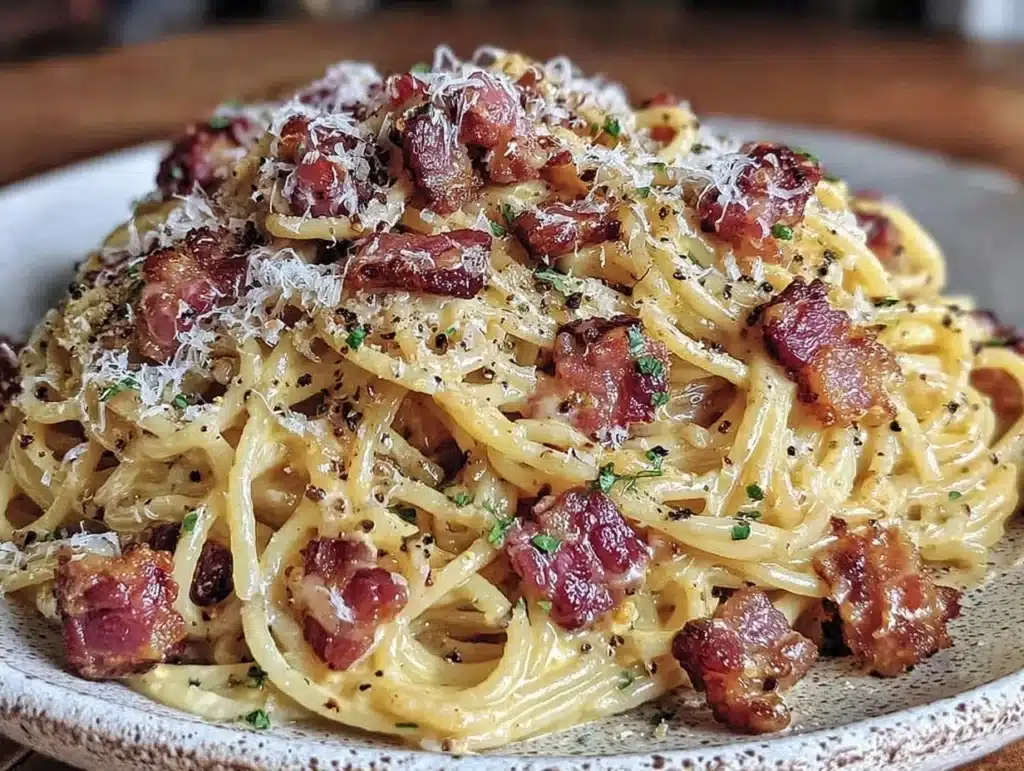
That’s exactly why I fell in love with this Copycat Gordon Ramsay Carbonara. Now, I know what you’re thinking. Carbonara? In a lunch box? Isn’t that too rich? Too risky? Let’s face it, traditional carbonara can be a temperamental beast. One wrong move with the heat, and you’ve got scrambled eggs and sad pasta. But Ramsay’s method is different. It’s precise. It’s about temperature control and emulsion. And when you prep it right, it doesn’t just survive in the fridge; it actually gets better. The flavors meld. The pasta absorbs that creamy, peppery goodness without turning into a gluey mess.
I first started testing this recipe specifically for my weekly meal prep routine because I needed something high-protein that didn’t feel like chicken breast and broccoli again. After making it over a dozen times, tweaking the cheese ratios and timing the pasta cook to perfection, I realized this was the holy grail of lunch box meals. It’s still crisp on Wednesday, not soggy. The guanciale stays crispy if you store it separately, and the sauce remains velvety smooth. It’s comfort food, but organized. It’s indulgent, but practical. And honestly, it’s the kind of meal that makes you forget you’re eating leftovers.
Why You’ll Love This Recipe
This isn’t just another pasta recipe you’ll find buried in a search result. This is a system. A tested, re-tested, and battle-hardened method for creating a dish that respects your time and your taste buds. I’ve spent years refining my meal prep game, moving from chaotic Sunday cooking sessions to a streamlined process that leaves me with five days of delicious, stress-free lunches. This carbonara is the crown jewel of that system. It works because it understands the reality of the workweek. You don’t have time for fussy cooking on a Wednesday night. You need something that was easy to assemble on Monday, travels well in a container, and tastes like it was made five minutes ago.
Here is why this specific version stands out from the crowd:
- Meal Prep Masterpiece: Most carbonara recipes fail the lunch test because the sauce breaks or the pasta gets mushy. This method uses a cooling technique that prevents the eggs from curdling during storage, keeping the texture silky even after 48 hours in the fridge.
- Guanciale vs. Bacon: Ramsay insists on guanciale for a reason. The fat content is different, and the flavor is deeper. While I’ll show you how to use pancetta if you can’t find guanciale, the rendered fat creates a sauce base that bacon just can’t match. It’s a game-changer for flavor depth.
- No Cream Allowed: This is authentic Italian style. No heavy cream. No shortcuts. The creaminess comes entirely from the emulsion of eggs, cheese, and pasta water. It’s lighter on the stomach, which is crucial when you’re trying to avoid that 3 PM food coma at work.
- Quick Assembly: Once you have your components prepped, the actual cooking takes less than 15 minutes. This is perfect for busy weeknights when you want to eat well but don’t have the energy to stand over a stove for an hour.
- Crowd-Pleaser Status: Even my pickiest eaters, who usually turn their noses up at “fancy” food, devour this. The salty, savory profile is universally loved. It’s the kind of dish that disappears fast, so you might want to make extra.
What makes this truly special is the balance. It’s rich, but not heavy. It’s flavorful, but not overwhelming. It’s the kind of meal that makes you close your eyes after the first bite and just sigh. It’s comfort food reimagined for the modern, busy professional. It’s healthy-ish, fast, and absolutely soul-soothing. Plus, it pairs beautifully with a simple green salad or roasted vegetables, making it a complete, balanced lunch.
What Ingredients You Will Need
This recipe relies on a handful of high-quality ingredients. Because there are so few of them, each one plays a critical role. You can’t hide behind a long list of spices or hidden flavors. It’s all about the balance of salt, fat, acid, and heat. I recommend sourcing the best quality ingredients you can find, especially the cheese and the cured pork. The difference is noticeable in the final dish.
- Pasta: You need a pasta that holds sauce well. Spaghetti is traditional, but I prefer spaghetti or rigatoni for lunch prep because the shape is sturdy and less likely to clump. Use about 400g (14 oz) of dried pasta. Look for bronze-die extruded pasta if possible, as the rougher surface grabs the sauce better.
- Cured Pork: Guanciale is the authentic choice. It’s cured pork jowl with a higher fat content and a more complex flavor than bacon. If you can’t find it, pancetta is a good substitute. Avoid smoked bacon if you want the authentic Ramsay flavor, as the smoke can overpower the delicate egg sauce. You’ll need about 200-250g.
- Eggs: You need large eggs. I use 3 whole eggs and 2 egg yolks for extra richness and stability. The yolks provide the emulsifying power that keeps the sauce creamy without scrambling. Room temperature eggs work best, but cold eggs are fine if you are careful with temperature control.
- Cheese: Pecorino Romano is the traditional cheese for carbonara. It’s sharp, salty, and aged. Some recipes use Parmigiano-Reggiano, or a mix of both. I recommend a 50/50 mix for the best balance of sharpness and nuttiness. Grate it finely yourself; pre-grated cheese contains anti-caking agents that can ruin your smooth sauce.
- Black Pepper: Freshly cracked black pepper is non-negotiable. You want visible flecks of pepper in every bite. Use a pepper mill and grind it coarse. The heat from the pepper cuts through the richness of the pork and eggs.
- Salt: You’ll need salt for the pasta water. Since the pork and cheese are already very salty, you might not need additional salt in the sauce. Taste your pasta water—it should taste like the sea.
Pro tip: If you are watching your sodium intake, you can reduce the amount of Pecorino by a quarter, but don’t skimp on the pepper. The flavor profile relies on that contrast. Also, ensure your guanciale is fresh and not overly dried out. If it looks too hard, it won’t render properly.
Equipment Needed
You don’t need a fancy kitchen to make this, but having the right tools makes the process much smoother. The biggest challenge with carbonara is temperature control, so your equipment matters.
- Large Skillet or Sauté Pan: You need a pan that is wide enough to hold the pasta and pork together. A 12-inch stainless steel or cast iron skillet is ideal. Stainless steel gives you better control over the heat, while cast iron retains heat well. Avoid non-stick if possible, as you want some browning on the pork.
- Large Pot for Pasta: A 6-quart pot is sufficient for 400g of pasta. Make sure it’s wide enough to allow the pasta to move freely.
- Mixing Bowls: You’ll need a medium bowl for whisking the eggs and cheese, and a smaller bowl for holding the reserved pasta water. Stainless steel or glass bowls are best because they don’t retain heat.
- Whisk: A good quality whisk is essential for creating a smooth egg mixture without lumps. It also helps you incorporate the cheese evenly.
- Tongs: Long pasta tongs are helpful for transferring the pasta directly from the pot to the pan. They give you better control than a fork.
- Pepper Mill: A sturdy pepper mill allows you to control the coarseness of the grind. Pre-ground pepper lacks the aromatic oils that make carbonara sing.
If you don’t have a large skillet, a wide Dutch oven works too. Just be mindful of the heat distribution. Also, keep a pair of kitchen tongs handy for handling the hot guanciale. Safety first, even when making delicious food.
Preparation Method
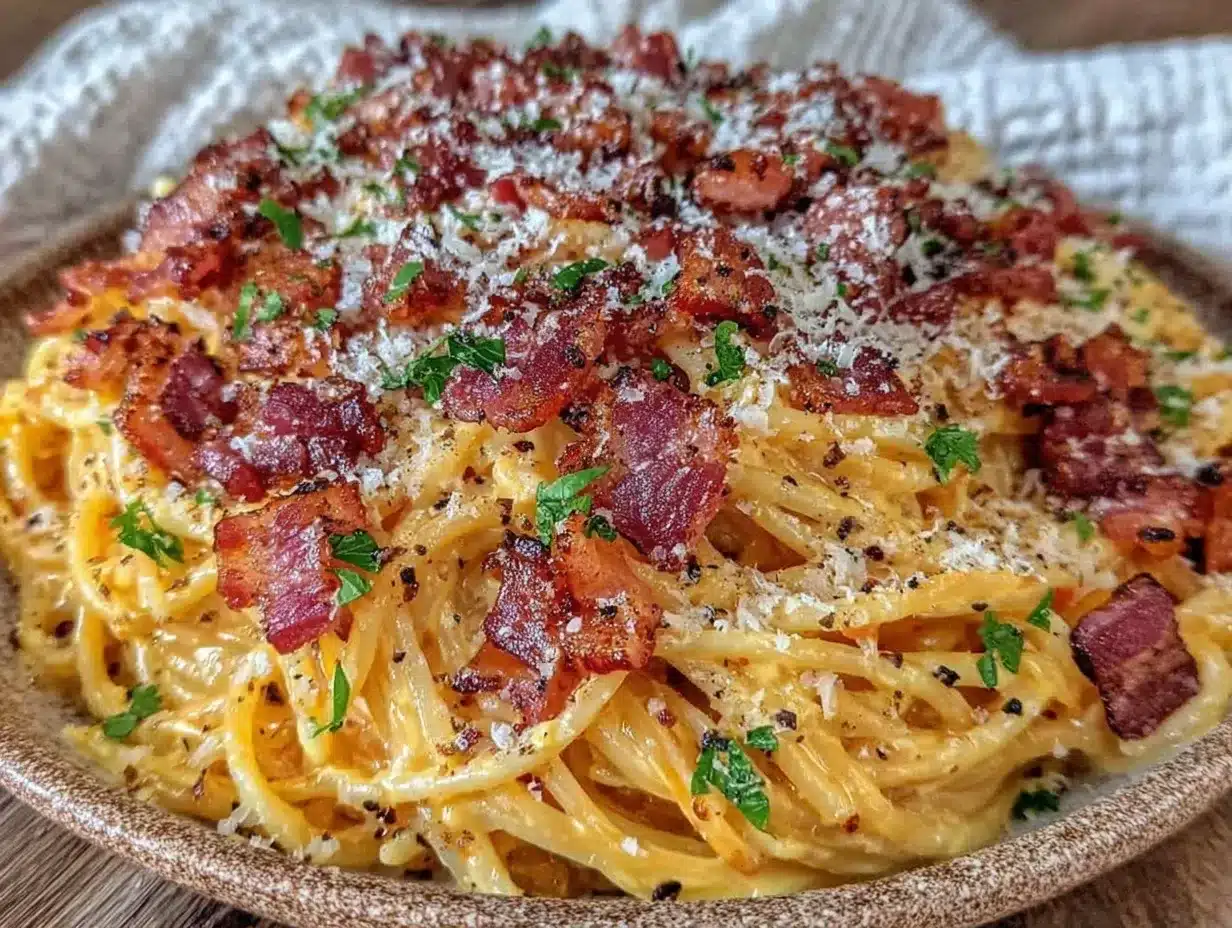
Let’s get into the nitty-gritty. This method is designed for both immediate enjoyment and successful meal prep. The key is to keep the components separate until the very last moment if you are prepping ahead. If you are eating it right away, you can combine everything in one go.
Step 1: Prep the Pork and Cheese
Start by cutting the guanciale or pancetta into small cubes or strips, about the size of your thumb. You want them to be small enough to distribute evenly but large enough to have a nice chew. Place them in a cold skillet. This is crucial. Starting with a cold pan allows the fat to render slowly, ensuring the pork becomes crispy without burning. Turn the heat to medium-low. Let it cook for about 8-10 minutes, stirring occasionally, until the fat is rendered and the meat is golden brown and crispy. Remove the pork from the pan with a slotted spoon and place it on a paper towel to drain. IMPORTANT FOR PREP: Let the pork cool completely before storing. If you store it warm, it will release moisture and become chewy. Keep the rendered fat in the pan; this is liquid gold for your sauce.
Step 2: Make the Egg Mixture
In your medium mixing bowl, whisk together the 3 whole eggs and 2 egg yolks. Add the grated Pecorino Romano and Parmigiano-Reggiano. Whisk vigorously until the cheese is fully incorporated and the mixture is thick and paste-like. This might seem strange, but it prevents the cheese from clumping in the hot pasta. Season generously with freshly cracked black pepper. Set this aside. You want it at room temperature.
Step 3: Cook the Pasta
Bring a large pot of salted water to a boil. Add the spaghetti or rigatoni. Cook according to the package directions, but reduce the cooking time by 1-2 minutes. You want the pasta to be al dente, as it will continue to cook in the hot pan. CRITICAL STEP: Before draining, reserve at least 1 cup of the starchy pasta water. This water is the secret to a silky sauce. Drain the pasta, but do not rinse it.
Step 4: The Emulsion (The Ramsay Way)
This is where the magic happens. If you are eating immediately, add the drained pasta directly to the skillet with the reserved fat (remove the skillet from the heat first!). Toss the pasta to coat it in the fat. Then, add the egg and cheese mixture. Toss quickly and vigorously. The residual heat of the pasta will cook the eggs gently, creating a creamy sauce. If the sauce looks too thick, add a splash of the reserved pasta water. Add the crispy pork back in and toss to combine. Serve immediately.
FOR MEAL PREP: Do not combine the eggs with the hot pasta yet. Instead, toss the hot pasta with a little bit of the rendered fat and some of the reserved pasta water to prevent sticking. Let the pasta cool to room temperature. Store the cooled pasta, the cooled pork, and the egg mixture in separate containers. When you are ready to eat, reheat the pasta gently in a pan with a splash of water, remove from heat, and THEN stir in the egg mixture. The residual heat will warm the eggs without scrambling them. This ensures a creamy texture every time.
Cooking Tips & Techniques
Carbonara is deceptively simple, but it has a few pitfalls. Here’s how to avoid them, based on my own kitchen failures.
Temperature Control is Everything: The biggest mistake people make is adding the egg mixture to the pasta while the pan is still on high heat. This results in scrambled eggs, not a creamy sauce. Always remove the pan from the heat source before adding the eggs. If you are meal prepping, let the pasta cool slightly before combining. The residual heat is enough to cook the eggs gently.
Don’t Skimp on the Pasta Water: The starch in the pasta water is what helps emulsify the sauce. It binds the fat and water together, creating a creamy texture. If your sauce looks too thick or clumpy, add more pasta water, a tablespoon at a time, while tossing.
Grate Your Own Cheese: Pre-grated cheese is coated in cellulose to prevent clumping. This cellulose prevents the cheese from melting smoothly into the sauce. Take the time to grate your own Pecorino and Parmigiano. It makes a huge difference in texture.
Use Fresh Pepper: Pre-ground pepper loses its aroma quickly. Use a pepper mill and grind it fresh. The heat and aroma of fresh black pepper are essential to balancing the richness of the dish.
Batch Cooking Efficiency: When prepping for the week, I cook all the pasta at once, but I store it plain. I render all the guanciale at once and store it in small portions. I whisk all the eggs and cheese together in one large batch and store it in a jar. This saves time during the week and ensures consistency.
Variations & Adaptations
While the traditional recipe is perfect, sometimes you need to adapt. Here are a few ways to tweak this recipe.
Gluten-Free Option: Use your favorite gluten-free spaghetti or rigatoni. Note that gluten-free pasta can be more delicate, so handle it gently. You may need slightly more pasta water to achieve the right consistency.
Dairy-Free Option: This is trickier, but possible. Substitute the cheese with a nutritional yeast mixture mixed with a bit of olive oil and lemon juice to mimic the tang. Use a dairy-free butter or olive oil instead of the pork fat if you are avoiding animal products, though this changes the flavor profile significantly. I recommend using a high-quality vegan cream cheese for richness.
Vegetarian Version: Swap the guanciale for sautéed mushrooms or roasted artichoke hearts. Mushrooms, especially cremini or shiitake, provide a savory, umami flavor that complements the egg sauce well. Sauté them until browned and crispy.
Spicy Kick: Add a pinch of red pepper flakes to the egg mixture or toss them with the guanciale while it renders. This adds a nice heat that cuts through the richness.
Herb Twist: While traditional carbonara doesn’t use herbs, a small amount of fresh parsley or chives added at the end can add a fresh, bright note. I personally like a touch of fresh thyme sautéed with the guanciale.
Serving & Storage Suggestions
Carbonara is best served immediately, but for meal prep, storage is key. Store the pasta, pork, and egg mixture in separate airtight containers in the refrigerator for up to 3 days. The pasta will absorb some moisture, so it’s important to rehydrate it when reheating.
When ready to eat, reheat the pasta gently in a microwave or on the stove with a splash of water. Let it cool for a minute, then stir in the egg mixture. The residual heat will warm the eggs perfectly. If you are eating it cold, the sauce will firm up, which some people prefer. It’s like a cold pasta salad, but richer.
Pair this with a simple arugula salad dressed with lemon vinaigrette. The bitterness of the arugula cuts through the richness of the carbonara. A glass of crisp white wine, like a Pinot Grigio, also pairs beautifully.
Nutritional Information & Benefits
Carbonara is a rich dish, but it’s also balanced. The eggs provide high-quality protein, while the pasta offers carbohydrates for energy. The guanciale provides fat, which helps with satiety. One serving contains approximately 600-700 calories, depending on the portion size. It’s not a low-calorie dish, but it’s nutrient-dense. The Pecorino Romano is high in calcium and protein. The black pepper contains piperine, which has anti-inflammatory properties.
For those watching their sodium, be mindful of the salt in the guanciale and cheese. You can reduce the added salt in the pasta water to compensate. Overall, this dish is a great source of protein and energy, making it a solid choice for an active lunch.
Conclusion
This Copycat Gordon Ramsay Carbonara is more than just a recipe; it’s a solution for busy weeks. It’s a way to enjoy restaurant-quality food without the restaurant price tag or the wait. By prepping the components separately, you ensure that your lunch is still crisp on Wednesday, not soggy. It’s a system that works, and once you try it, you’ll never go back to boring meal prep again.
I encourage you to try this recipe and make it your own. Adjust the pepper, swap the cheese, or add your favorite veggies. The beauty of cooking is in the adaptation. And if you do make it, I’d love to hear how it turned out. Leave a comment below and let me know your favorite variation. Happy prepping!
Frequently Asked Questions
Can I make this carbonara ahead of time?
Yes, but the key is to store the components separately. Cook the pasta, render the guanciale, and whisk the egg mixture in advance. Store them in separate airtight containers in the fridge. Combine them just before eating using residual heat.
Why did my eggs scramble?
This usually happens if the pan was too hot when you added the egg mixture. Always remove the pan from the heat source before adding the eggs. The residual heat of the pasta is enough to cook them gently into a creamy sauce.
Can I use bacon instead of guanciale?
You can, but the flavor will be different. Bacon is smoked and often thinner, so it cooks faster. Pancetta is a closer substitute as it is unsmoked. If using bacon, reduce the cooking time to avoid burning.
Is carbonara healthy?
Carbonara is rich in protein and fat, but also high in calories and sodium due to the cheese and cured pork. It’s best enjoyed in moderation as part of a balanced diet. You can lighten it up by using less cheese or adding more vegetables.
How long does carbonara last in the fridge?
The cooked components (pasta, pork, egg mixture) can be stored in the fridge for up to 3 days. However, for the best texture, it’s recommended to consume it within 2 days.
Pin This Recipe!
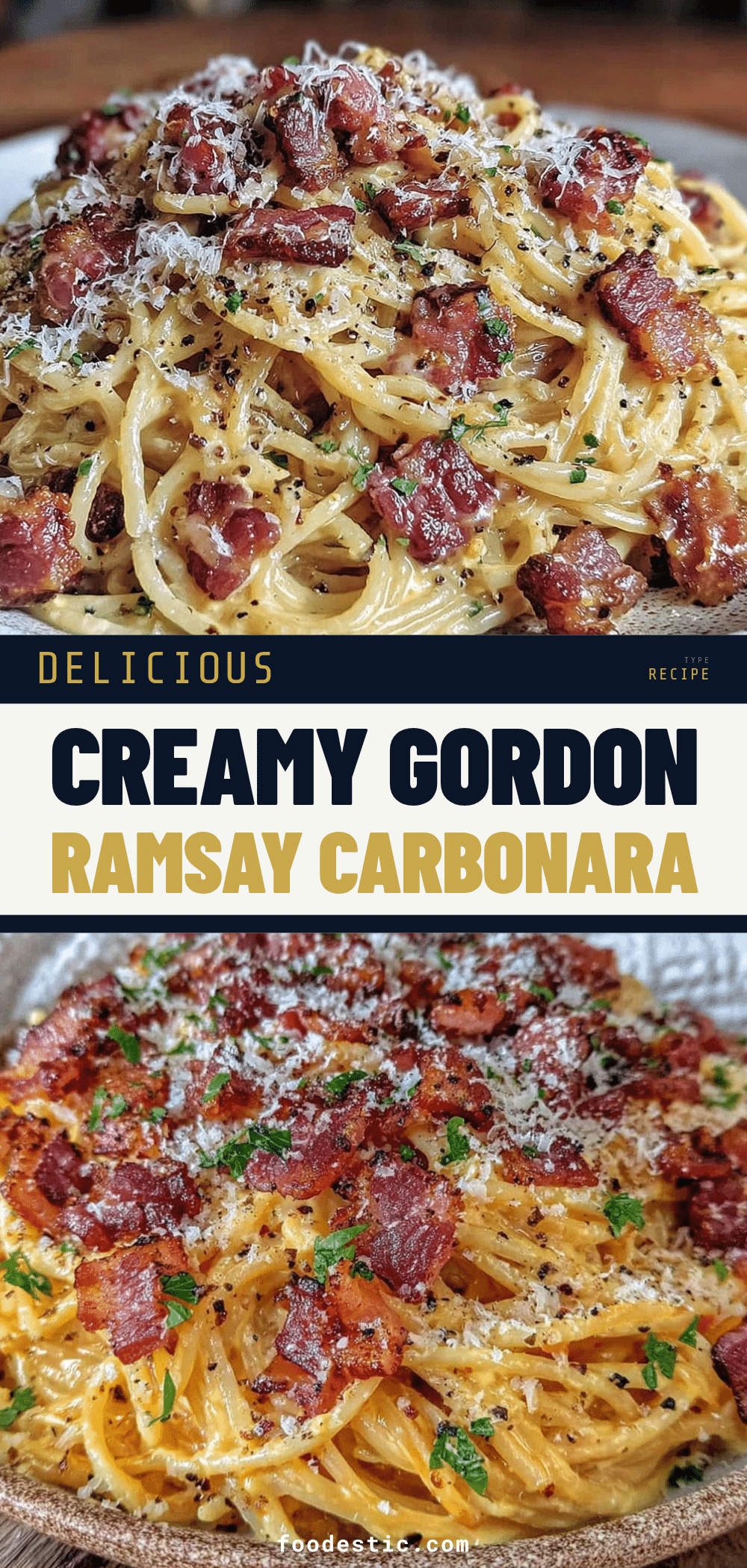
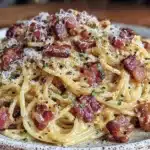
Copycat Gordon Ramsay Carbonara: Prep Ahead Lunch
- Total Time: 35 minutes
- Yield: 4 servings 1x
Description
A precise, authentic Italian-style carbonara designed for meal prep. This recipe uses guanciale, eggs, and cheese to create a creamy emulsion without heavy cream, ensuring the pasta stays crisp and the sauce remains velvety for up to three days.
Ingredients
- 400g (14 oz) dried spaghetti or rigatoni
- 200–250g guanciale (or pancetta), cut into small cubes or strips
- 3 large whole eggs
- 2 large egg yolks
- 1/2 cup Pecorino Romano cheese, finely grated
- 1/2 cup Parmigiano-Reggiano cheese, finely grated
- Freshly cracked black pepper, coarse grind
- Salt for pasta water
Instructions
- Cut the guanciale into small cubes or strips. Place them in a cold skillet and turn heat to medium-low. Cook for 8-10 minutes until fat is rendered and meat is golden brown and crispy.
- Remove pork with a slotted spoon to a paper towel to drain. Let cool completely if prepping ahead. Keep the rendered fat in the pan.
- In a medium mixing bowl, whisk together 3 whole eggs, 2 egg yolks, grated Pecorino Romano, and Parmigiano-Reggiano until thick and paste-like. Season generously with black pepper.
- Bring a large pot of salted water to a boil. Cook pasta according to package directions but reduce time by 1-2 minutes for al dente texture.
- Before draining, reserve at least 1 cup of starchy pasta water. Drain pasta without rinsing.
- For immediate serving: Remove skillet from heat. Add drained pasta to the reserved fat and toss. Add egg mixture and toss vigorously. Add residual heat to cook eggs gently. Add crispy pork back in and serve.
- For meal prep: Toss hot pasta with rendered fat and some pasta water to prevent sticking. Let pasta cool to room temperature. Store cooled pasta, cooled pork, and egg mixture in separate containers.
- To eat: Reheat pasta gently with a splash of water. Remove from heat, let cool slightly, then stir in egg mixture. The residual heat will warm the eggs without scrambling them.
Notes
Start with a cold pan for the guanciale to render fat slowly. Do not add egg mixture to the pan while it is on direct high heat to avoid scrambling. Store components separately for best meal prep results. Use bronze-die extruded pasta for better sauce adherence.
- Prep Time: 15 minutes
- Cook Time: 20 minutes
- Category: Main Course
- Cuisine: Italian
Nutrition
- Serving Size: 1/4 of the recipe
- Calories: 650
- Sugar: 2
- Sodium: 900
- Fat: 35
- Saturated Fat: 14
- Carbohydrates: 60
- Fiber: 3
- Protein: 25
Keywords: carbonara, meal prep, Gordon Ramsay, guanciale, pasta, lunch, high protein, gluten-free option, dairy-free option