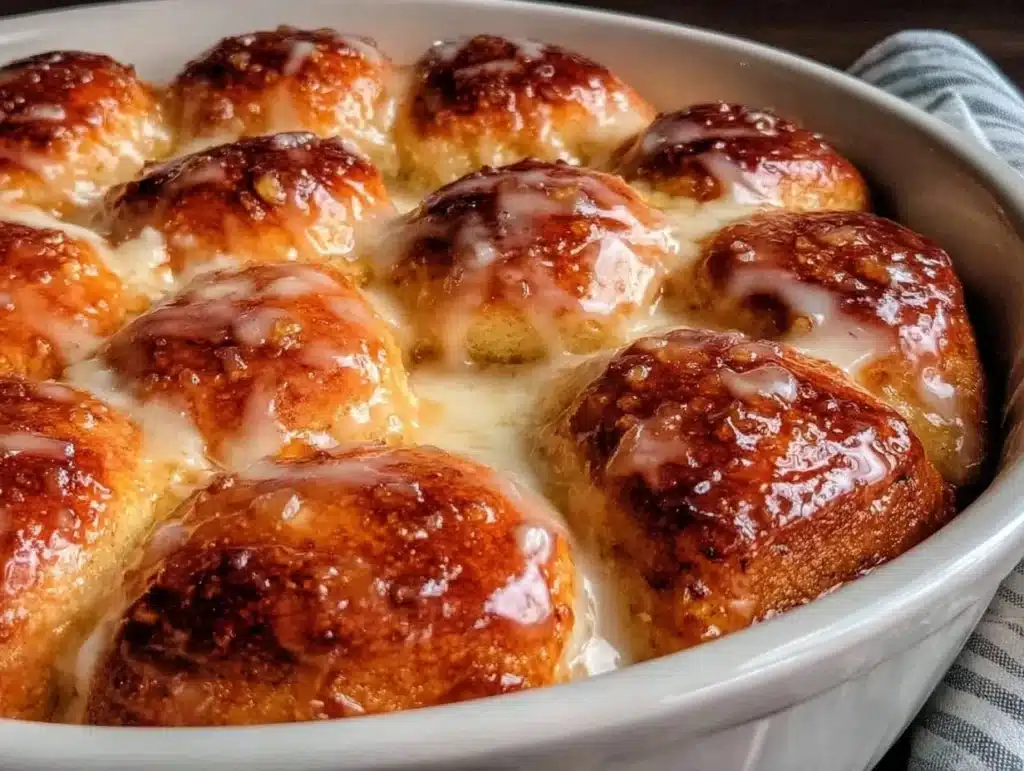
Let’s be honest for a second. The thought of baking twenty fluffy, sweet rolls on Easter morning sounds like a beautiful idea until you actually try it. Then, you’re covered in flour, your oven is screaming hot, and you’re running late for church or family brunch. I learned this the hard way years ago, right before my family’s biggest holiday gathering. I was stressed, tired, and just wanted to enjoy the day with my people, not my dough. That’s when I discovered the magic of making these warm creamy orange rolls ahead of time. Honestly, it changed everything for me. Now, I prep the dough the night before, and on Easter morning, I just pull them out of the fridge and pop them in the oven. The smell that fills the house is pure comfort, and I’m still in my pajamas when my guests arrive.
These aren’t just any orange rolls. They are warm, creamy, and impossibly soft. The tangy orange glaze cuts through the sweetness of the dough perfectly, creating a balance that keeps you coming back for seconds without that heavy, carb-crash feeling by midday. I’ve tested this method so many times for meal prep, and it’s the only way I bake big batches now. It’s about having your life back while still serving something special. Whether you are feeding a crowd or just treating yourself, this approach is a game-changer. You get the homemade taste without the homemade stress.
I first started making these when I was working a full-time job and hosting Easter dinner. I needed a dish that could handle being prepped early but still taste fresh and warm when served. These rolls fit the bill perfectly. They hold up well in the fridge and reheat beautifully. Plus, the orange flavor is bright and cheerful, which is exactly what spring needs. I’ve shared this trick with so many friends, and they all swear by it now. It’s become our family’s new Easter tradition, minus the panic. If you want to impress your guests with minimal effort, this is the recipe for you. Trust me, once you try this method, you’ll never go back to baking from scratch on the big day.
Why You’ll Love This Recipe
There are a few reasons why these warm creamy orange rolls have become my go-to for Easter meal prep, and it all comes down to practicality mixed with serious comfort food vibes. First off, the texture is unmatched. Because the dough rises slowly in the fridge overnight, the gluten develops fully, resulting in rolls that are incredibly tender and pillowy soft. It’s a technique I picked up from a local baker who swore by cold fermentation for better flavor. You know that difference in taste? It’s subtle but noticeable. The dough absorbs the orange zest and vanilla deeply, creating a more complex flavor profile than rolls made to rise quickly at room temperature.
- Stress-Free Morning: This is the biggest selling point for me. By prepping the dough the night before, Easter morning becomes about relaxation, not rushing. You simply let them rise while you get ready or have coffee. It’s perfect for busy families or anyone who wants to sleep in.
- Meal Prep Friendly: These rolls are designed to stay fresh. Unlike many baked goods that go stale by lunchtime, the creamy glaze and moist dough keep them satisfying through the day. They are still keeping you full at 2pm, which is rare for sweet breads. You can make a dozen or twenty, and they will hold up well in the fridge until you need them.
- Simple Ingredients: You probably have most of these in your pantry already. Flour, sugar, yeast, milk, butter, and oranges. No fancy, hard-to-find items. This makes it accessible for anyone, regardless of their cooking skill level. It’s wholesome, simple food that feels special.
- Crowd-Pleaser Flavor: The combination of warm dough and tangy orange glaze is a classic for a reason. Kids love the sweetness, and adults appreciate the slight citrus kick. It’s versatile enough to be a dessert or a breakfast item. I’ve served these at brunches, Easter eggs hunts, and even casual Tuesday dinners, and they are always a hit.
- Make-Ahead Magic: This recipe allows you to batch cook. You can freeze the baked rolls for later or prep the dough weeks in advance. It’s flexible. If your schedule changes, you can adapt this recipe to fit your needs without compromising the quality.
What really sets these apart is the creamy orange glaze. It’s not just a thin sugar drizzle; it’s a rich, pourable topping that soaks into the warm rolls. It adds a layer of moisture that keeps the bread soft for days. I’ve tried many orange roll recipes, but this one hits the sweet spot between sweet and tart. It’s the kind of recipe that makes you close your eyes after the first bite and smile. It’s comfort food reimagined for the modern, busy cook. Whether you are hosting a large Easter gathering or just want a nice weekend treat, these rolls deliver. They take the stress out of holiday baking and put the joy back in.
What Ingredients You Will Need
This recipe relies on high-quality, simple ingredients to create that signature warm and creamy texture. The beauty of these orange rolls is that you don’t need exotic spices or rare flours. Everything you need is likely already in your kitchen or easy to grab at a local store. The key is to use fresh oranges for the zest and juice, as bottled juice lacks the bright, vibrant flavor that makes these rolls stand out. I always recommend using unsalted butter so you can control the saltiness, and whole milk for the richest dough. Here is what you’ll need to make this batch.
For the Dough
- Warm Milk (1 cup / 240ml): Make sure it’s around 110°F (43°C). Too hot will kill the yeast, too cold won’t activate it. I use a kitchen thermometer to be safe.
- Active Dry Yeast (2 packets / 2 1/4 tsp): Standard packet size. Check the expiration date for best rise. I prefer Fleischmann’s for reliability.
- Granulated Sugar (1/2 cup / 100g): Feeds the yeast and adds sweetness. You can use honey for a slightly different flavor profile.
- Large Eggs (2): Room temperature eggs incorporate better into the dough. One for the dough, one for the egg wash.
- Unsalted Butter (1/4 cup / 57g): Melted and slightly cooled. This adds richness and softness.
- All-Purpose Flour (4 to 4 1/2 cups / 500-560g): Spoon and level method is crucial. Don’t scoop directly from the bag, or your dough will be dry. King Arthur Flour is my go-to brand.
- Fine Sea Salt (1 tsp): Balances the sweetness and strengthens the gluten.
- Orange Zest (2 tbsp): From 2 large, organic oranges. Only use the orange part, not the white pith, which is bitter.
For the Creamy Orange Glaze
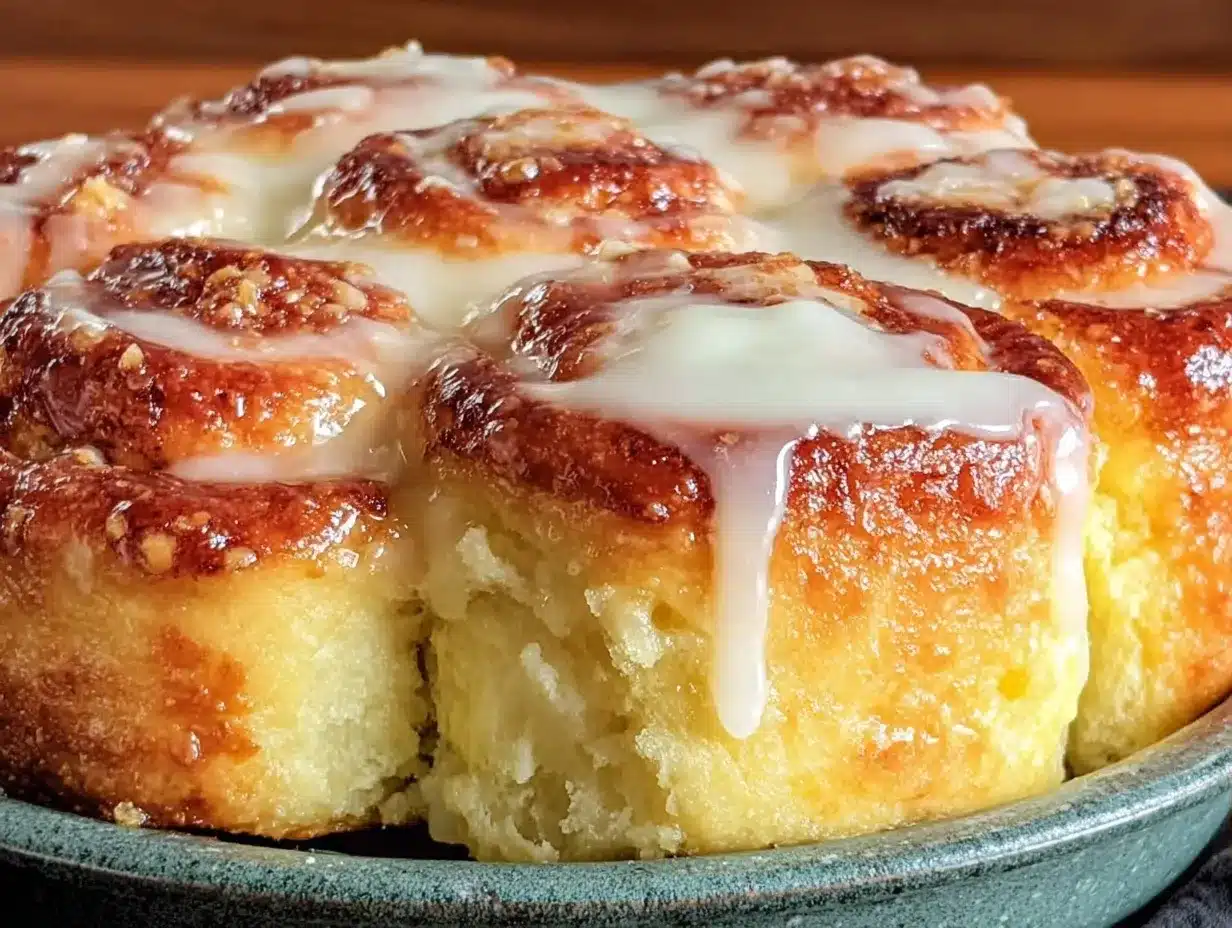
- Powdered Sugar (1 1/2 cups / 180g): Sifted to avoid lumps. This is what gives the glaze its creamy texture.
- Orange Juice (3-4 tbsp / 45-60ml): Freshly squeezed. Adjust for desired consistency.
- Cream Cheese (2 oz / 56g): Softened. This is the secret ingredient for the “creamy” part of the glaze. It adds tang and stability.
- Vanilla Extract (1 tsp): Pure vanilla, not imitation, for the best flavor.
- Orange Zest (1 tsp): For a pop of color and extra citrus flavor.
For substitutions, you can use bread flour for a chewier texture, but all-purpose works best for tender rolls. If you are dairy-free, use plant-based butter and milk, though the glaze will need a dairy-free cream cheese alternative. In summer, you might find oranges less juicy, so you may need more juice for the glaze. Always taste your orange juice before adding it to the glaze to ensure the sweetness balance is right.
Equipment Needed
You don’t need a fancy kitchen to make these rolls, but having the right tools makes the process smoother. A stand mixer with a dough hook is helpful but not required. You can knead by hand if you have the arm strength. I usually use my stand mixer for the first ten minutes to save energy, then finish by hand to feel the dough’s texture. A large mixing bowl is essential for the initial yeast activation. I recommend a glass or ceramic bowl so you can see the yeast bubbling.
A 9×13 inch baking dish is standard for this batch size. If you want taller rolls, use a deep dish. For the glaze, a small saucepan or microwave-safe bowl is useful if you want to warm the butter slightly for easier mixing. A pastry brush is great for applying the egg wash evenly. I also suggest having a wire cooling rack ready so the rolls don’t get soggy from steam. For storage, airtight containers or plastic wrap are necessary if you are prepping ahead. A digital kitchen scale is the most accurate way to measure flour, ensuring consistent results every time. If you don’t have one, a measuring cup works fine with the spoon-and-level method.
Preparation Method
Getting started with these warm creamy orange rolls is straightforward, but patience is key. The overnight rise is what makes them special. Here is how to put it all together.
- Activate the Yeast: In a large bowl, combine the warm milk, sugar, and yeast. Stir gently and let it sit for 5-10 minutes until it becomes foamy. If it doesn’t foam, your yeast might be old, and you should start over. This step ensures your rolls will rise properly.
- Mix the Wet Ingredients: Once the yeast is active, add the eggs, melted butter, orange zest, and salt. Whisk everything together until well combined. The mixture should look smooth and slightly bubbly.
- Knead the Dough: Add the flour one cup at a time. If using a mixer, use the dough hook on low speed. If kneading by hand, add flour gradually and turn the dough onto a floured surface. Knead for about 8-10 minutes until the dough is smooth, elastic, and springs back when poked. It should be slightly tacky but not sticky. Add more flour if it’s too wet, or a splash of milk if it’s too dry.
- First Rise: Place the dough in a lightly oiled bowl, turning once to coat. Cover with plastic wrap or a damp towel. Let it rise in a warm place for 1-2 hours, or until doubled in size. I usually do this in the morning and then refrigerate it overnight for the next step.
- Shape the Rolls: Punch down the dough to release air. Divide it into 12-16 equal pieces. Roll each piece into a ball and place them in a greased 9×13 inch baking dish. Leave a little space between them for expansion. For a swirl effect, you can roll each ball in a mixture of sugar and cinnamon before placing it in the pan, but plain is also delicious.
- Overnight Proofing: Cover the pan tightly with plastic wrap. Place it in the refrigerator for 8-12 hours. This slow rise develops flavor and makes the dough easier to handle. You can also let them rise at room temperature for 2-3 hours if you plan to bake them the same day, but the fridge method yields better texture.
- Bake: Preheat your oven to 350°F (175°C). Take the rolls out of the fridge and let them sit for 20-30 minutes while the oven heats up. This takes the chill off. Brush the tops with beaten egg for a golden finish. Bake for 20-25 minutes, or until golden brown and cooked through. Tap the top; it should sound hollow.
- Make the Glaze: While the rolls bake, whisk the softened cream cheese, powdered sugar, orange juice, vanilla, and zest until smooth. If it’s too thick, add more juice. If too thin, add more sugar.
- Glaze and Serve: Let the rolls cool for 5-10 minutes. Drizzle the creamy orange glaze over the warm rolls. The warmth helps the glaze soak in slightly. Serve immediately for the best texture.
Cooking Tips & Techniques
There are a few tricks I’ve learned over the years to ensure these rolls turn out perfectly every time. One common mistake is overworking the dough. If you knead it too much, the gluten becomes too tight, and the rolls will be dense. Stop kneading as soon as the dough is smooth. Another tip is to listen to your dough, not just the clock. Dough rises differently depending on humidity and temperature. Use the finger poke test: press a finger into the dough. If the indentation remains, it’s ready.
For the glaze, don’t skip the cream cheese. It provides a tangy contrast to the sweet dough and helps the glaze stay creamy rather than hardening into a sugar shell. Also, make sure your orange zest is finely grated. Large pieces can be bitter and unpleasant to bite into. Use a microplane for the best results. When baking, rotate the pan halfway through for even browning. Ovens often have hot spots, and this helps prevent one side from burning.
I once rushed the proofing process and ended with dense, bready rolls. It was a disaster. Since then, I’ve stuck to the overnight fridge method, and it’s never failed me. It’s the most reliable way to get that bakery-style softness. Also, don’t skip the egg wash. It gives the rolls that professional, shiny, golden-brown look that makes them look so inviting. If you want a sweeter crust, brush with melted butter after baking instead of before.
Variations & Adaptations
One of the best things about this recipe is how adaptable it is. You can tweak it to suit different tastes or dietary needs. For a richer flavor, add a tablespoon of orange liqueur, like Grand Marnier, to the dough. It adds a sophisticated touch for adult gatherings. If you want a spice kick, add a teaspoon of ground cardamom or nutmeg to the dough. It pairs wonderfully with the orange.
For a gluten-free option, use a 1:1 gluten-free flour blend. Note that the texture will be slightly different, often more crumbly, so be careful not to over-knead. You might need a bit more liquid, as gluten-free flours absorb moisture differently. For a vegan version, use plant-based milk and butter, and replace the eggs with a flax egg. The glaze can be made with vegan cream cheese and maple syrup instead of powdered sugar for a different sweetness.
Seasonal variations are fun too. In the fall, swap the orange zest for pumpkin spice and use pumpkin puree in the dough. In winter, add cranberries and white chocolate to the glaze. I also love making mini versions of these rolls for parties. Just divide the dough into smaller pieces and bake for a shorter time. They make for cute, bite-sized treats. The key is to keep the core technique the same while playing with flavors.
Serving & Storage Suggestions
These warm creamy orange rolls are best served fresh and warm. They are perfect for Easter brunch, paired with scrambled eggs or bacon. You can also serve them with a side of fresh fruit salad to balance the sweetness. For beverages, coffee or tea is the classic choice. The citrus notes in the rolls complement the bitterness of coffee beautifully.
For storage, let the rolls cool completely before covering them. They can be kept at room temperature in an airtight container for up to 2 days. For longer storage, wrap them tightly in plastic wrap and foil, then freeze for up to 3 months. To reheat, thaw overnight in the fridge and warm in the microwave for 30 seconds or in the oven at 300°F for 10 minutes. If you glazed them, the glaze might soften, but the flavor remains intact. I find that the flavors actually meld and improve after a day, making them great for leftovers. They are still keeping you full at 2pm, even the next day.
Nutritional Information & Benefits
While these rolls are a treat, they can fit into a balanced diet when enjoyed in moderation. A typical roll contains about 250-300 calories, depending on size and glaze amount. The dough provides carbohydrates for energy, and the eggs and butter offer protein and healthy fats. The orange zest adds a hint of vitamin C. For a lighter option, you can reduce the sugar in the dough by half and use a lighter glaze. These rolls are naturally nut-free, making them safe for most school or office events. However, they contain gluten and dairy, so those with allergies should avoid them or use substitutions. I enjoy these as a special occasion treat, not an everyday snack. They bring joy and comfort, which is good for mental well-being too.
Conclusion
Making warm creamy orange rolls for Easter doesn’t have to be a stressful ordeal. With this make-ahead method, you can enjoy the process of baking without the last-minute panic. These rolls are soft, flavorful, and perfect for sharing with loved ones. I hope this recipe brings as much joy to your table as it has to mine. Feel free to adjust the sweetness or add your own twists to make it your own. I’d love to hear how they turn out for you. Please leave a comment below with your thoughts or any variations you tried. Share your photos on social media and tag me so I can see your delicious creations. Happy baking, and have a wonderful Easter!
Frequently Asked Questions
Can I make these rolls ahead of time?
Yes, absolutely. This recipe is designed for meal prep. You can prepare the dough and let it rise in the refrigerator overnight. This actually improves the flavor and texture. You can also bake them fully and freeze them for later.
Why did my rolls turn out dense?
This usually happens if the yeast was inactive or if the dough was overworked. Make sure your milk is warm but not hot, and check your yeast expiration date. Also, avoid adding too much flour during kneading, which can dry out the dough.
Can I use orange juice concentrate instead of fresh juice?
It’s not recommended. Freshly squeezed juice has a brighter, more vibrant flavor that concentrates lack. If you must use concentrate, dilute it properly and taste it first, as it can be very sweet.
How do I store leftover glaze?
If you have leftover glaze, store it in an airtight container in the fridge for up to a week. It may thicken when cold, so simply microwave it briefly or whisk in a teaspoon of warm water to restore consistency.
Can I freeze the dough before baking?
Yes, you can freeze the shaped rolls before the second rise. Place them in the freezer, then transfer to a bag. When ready to bake, let them thaw and rise at room temperature before baking. This is a great option for long-term meal prep.
Pin This Recipe!


Warm Creamy Orange Rolls: Best Meal Prep for Easter Lunch
- Total Time: 12 hours 55 minutes
- Yield: 12-16 servings 1x
Description
These warm, creamy orange rolls are designed for stress-free meal prep, featuring a soft dough that rises overnight in the fridge and a rich, tangy orange glaze. Perfect for Easter brunch or any special occasion, they offer homemade taste without the morning rush.
Ingredients
- 1 cup warm milk (110°F / 43°C)
- 2 packets active dry yeast (2 1/4 tsp)
- 1/2 cup granulated sugar
- 2 large eggs (room temperature)
- 1/4 cup unsalted butter (melted)
- 4 to 4 1/2 cups all-purpose flour
- 1 tsp fine sea salt
- 2 tbsp orange zest (from 2 large organic oranges)
- 1 1/2 cups powdered sugar (sifted)
- 3–4 tbsp fresh orange juice
- 2 oz cream cheese (softened)
- 1 tsp vanilla extract
- 1 tsp orange zest (for glaze)
- 1 egg (for egg wash)
Instructions
- In a large bowl, combine warm milk, sugar, and yeast. Stir gently and let sit for 5-10 minutes until foamy.
- Add eggs, melted butter, orange zest, and salt to the yeast mixture. Whisk until well combined.
- Add flour one cup at a time. Knead for 8-10 minutes until the dough is smooth, elastic, and slightly tacky.
- Place dough in a lightly oiled bowl, cover, and let rise in a warm place for 1-2 hours until doubled.
- Punch down the dough and divide into 12-16 equal pieces. Roll into balls and place in a greased 9×13 inch baking dish.
- Cover the pan tightly with plastic wrap and refrigerate for 8-12 hours (overnight proofing).
- Preheat oven to 350°F (175°C). Remove rolls from fridge and let sit for 20-30 minutes.
- Brush tops with beaten egg. Bake for 20-25 minutes until golden brown and hollow-sounding when tapped.
- While rolls bake, whisk cream cheese, powdered sugar, orange juice, vanilla, and zest until smooth.
- Let rolls cool for 5-10 minutes, then drizzle with glaze and serve warm.
Notes
Ensure milk is warm but not hot to avoid killing the yeast. Use fresh orange juice for best flavor. The overnight fridge rise develops better flavor and texture. Do not over-knead the dough to prevent dense rolls. Rotate the pan halfway through baking for even browning.
- Prep Time: 30 minutes
- Cook Time: 25 minutes
- Category: Breakfast
- Cuisine: American
Nutrition
- Serving Size: 1 roll
- Calories: 275
- Sugar: 22
- Sodium: 180
- Fat: 8
- Saturated Fat: 4
- Carbohydrates: 45
- Fiber: 1
- Protein: 5
Keywords: orange rolls, easter brunch, meal prep, make ahead breakfast, creamy orange glaze, yeast rolls, holiday baking