Let’s be honest for a second. I used to think cooking a rack of lamb was reserved for fancy chefs with tiny tweezers and expensive aprons. You know the type. The kind of person who measures rosemary sprigs with a ruler. I avoided it like the plague. I thought it was too intimidating, too expensive, and way too easy to mess up. Then came the summer of 2018, and my partner’s family decided to host a backyard dinner. I wanted to impress them, but I didn’t want to look like I was trying too hard. So, I decided to take the plunge. I bought a rack of lamb, stared at it for twenty minutes, and then just started cooking.
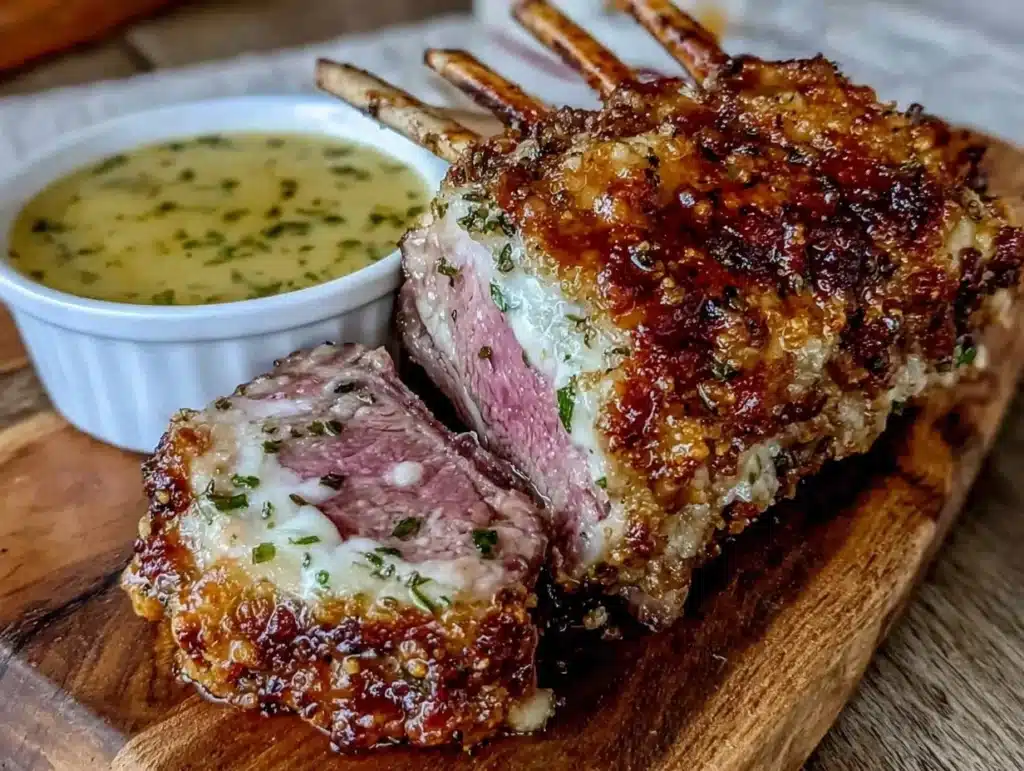
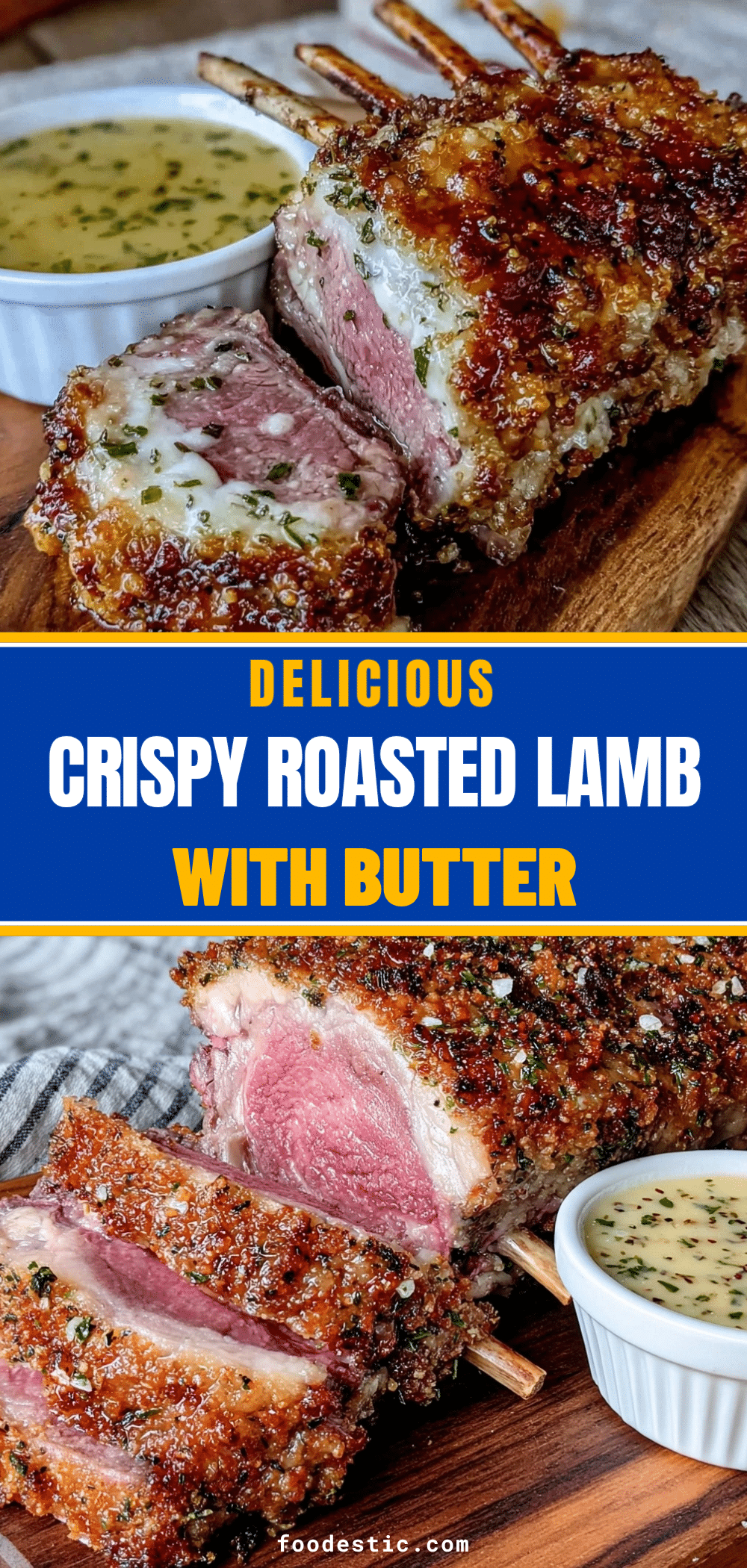
The result? It wasn’t just good. It was incredible. That perfect crust, the tender pink meat inside, and the simple garlic-herb crust made everyone ask for the recipe. Honestly, it felt like I had unlocked a secret code. Since then, I’ve made this perfect roasted rack of lamb dozens of times. It has become my go-to for date nights, celebrations, or when I just want to treat myself to something special. It’s not as hard as you think, and the payoff is massive.
What makes this recipe stand out is its simplicity. You don’t need fancy equipment or a degree in culinary arts. You just need a few quality ingredients and the right technique. I’ve tested this method so many times that I can practically cook it in my sleep. Whether you are a beginner or a seasoned home cook, this approach guarantees a juicy, flavorful result every single time. It’s the kind of dish that makes you feel like a pro, even if you’re sweating a little in the kitchen. Let’s face it, we all love feeling like culinary wizards, and this recipe delivers that magic without the stress.
Why You’ll Love This Recipe
There are a million ways to cook lamb, but this specific method for a perfect roasted rack of lamb has won me over completely. It’s not just about the taste, though that is definitely the main draw. It’s about the entire experience from prep to plate. I’ve spent years refining this technique, tweaking the herb blend, and adjusting the cooking times to get that elusive “just right” pink center. Here is why this recipe deserves a permanent spot in your rotation.
- Quick & Easy Prep: The actual hands-on time is minimal. You spend about 15 minutes seasoning the meat, and the rest is just roasting. This means you can actually hang out with your guests instead of being stuck in the kitchen all night. It’s perfect for busy weeknights when you want something fancy but have limited time.
- Simple Ingredients: You don’t need to run to three different specialty stores. Most of this is likely already in your pantry or fridge. Fresh herbs, garlic, Dijon mustard, and a good rack of lamb. That’s it. No weird sauces or obscure spices that you’ll use once and forget.
- Perfect for Special Occasions: This dish screams elegance. It looks stunning on the plate and feels luxurious. It’s ideal for anniversary dinners, holiday gatherings, or impressing in-laws. It turns a regular Tuesday into a celebration.
- Crowd-Pleaser: Even people who claim they “don’t like lamb” usually love this version. The garlic and herb crust masks any gamey flavors, leaving just the rich, savory taste of high-quality meat. It’s a surefire hit with kids and adults alike.
- Unbelievably Delicious: The texture is what gets me. The outside is crispy and fragrant, while the inside remains tender and juicy. It melts in your mouth. It’s comfort food elevated, but in a way that feels natural and not pretentious.
What really sets this apart is the crust. Most recipes just toss the lamb in breadcrumbs or herbs, but the layer of Dijon mustard acts as a glue that holds the flavor in while adding a tangy kick. It’s a small detail that makes a huge difference. I remember my first time making this, and I was worried the herbs would burn. They didn’t. They formed a beautiful, aromatic crust that smelled amazing while it roasted. It’s that kind of reliable, soul-soothing satisfaction that keeps you coming back for more.
What Ingredients You Will Need
This recipe relies on high-quality, fresh ingredients to deliver bold flavor without any fuss. Since lamb is the star, you want to treat it with respect. Don’t skimp on the meat, and don’t overcomplicate the seasoning. The beauty of this perfect roasted rack of lamb lies in its purity. Here is what you need to gather before you start.
- Rack of Lamb: You’ll need one or two racks, French-trimmed (meaning the bones are cleaned up). Look for a meaty rack with good fat cap coverage. A smaller rack (around 1.5 lbs) cooks faster, while a larger one (2-2.5 lbs) is great for feeding a group. I prefer local butcher shop racks because the quality is usually superior to grocery store options.
- Dijon Mustard: This is your secret weapon. Use a good quality Dijon, like Maille or French’s. It adds a sharp, tangy flavor that cuts through the richness of the lamb and helps the crust stick. Don’t use yellow mustard; it’s too sweet and lacks the necessary bite.
- Fresh Herbs: I use a mix of rosemary and thyme. Rosemary provides that piney, robust flavor, while thyme adds a subtle, earthy note. You can also add some sage if you like, but keep it simple. Fresh herbs are always better than dried here. They release their essential oils when roasted, creating an incredible aroma.
- Garlic: Fresh garlic cloves, minced. Do not use jarred garlic. It has a different texture and flavor profile that doesn’t work well for this crust. Fresh garlic gives you that sharp, pungent kick that balances the meat.
- Panko Breadcrumbs: These provide a lighter, crunchier texture than traditional breadcrumbs. They toast up beautifully in the oven. If you don’t have panko, regular breadcrumbs work, but panko is definitely worth the trip to the store.
- Olive Oil: Extra virgin olive oil is used to bind the herb mixture. It also helps the breadcrumbs brown evenly. Use a good quality oil that you enjoy eating raw.
- Kosher Salt and Black Pepper: Season the lamb generously. Kosher salt is preferred because it’s easier to control the amount. Freshly cracked black pepper adds a bit of heat and complexity.
- Butter: A tablespoon of butter added to the roasting pan adds richness and helps create a simple pan sauce later. It’s optional but highly recommended for extra flavor.
If you are looking to substitute anything, you can use fresh parsley instead of thyme if you prefer a milder herb flavor. For the breadcrumbs, crushed crackers or almond flour can work for a lower-carb option, though the texture will be different. The key is to keep the ingredient list short so the quality of each item shines through.
Equipment Needed
You don’t need a fancy kitchen to make this dish. A few basic tools will get you to a restaurant-quality result. First, you need a sturdy roasting pan or a baking sheet with a rack. The rack is important because it allows air to circulate around the lamb, ensuring even cooking and preventing the bottom from steaming. If you don’t have a rack, you can place the lamb directly on the pan, but you may need to rotate it more often.
A sharp knife is essential for trimming any excess fat if the butcher didn’t do it for you. You also need a small bowl for mixing the herb crust. A pastry brush is helpful for spreading the Dijon mustard evenly over the lamb. Don’t worry if you don’t have a fancy brush; a spoon works fine. Finally, a meat thermometer is your best friend. It takes the guesswork out of cooking and ensures your lamb is perfectly medium-rare every time. Inexpensive digital thermometers work just as well as expensive ones, so don’t feel pressured to buy the most expensive option.
Preparation Method
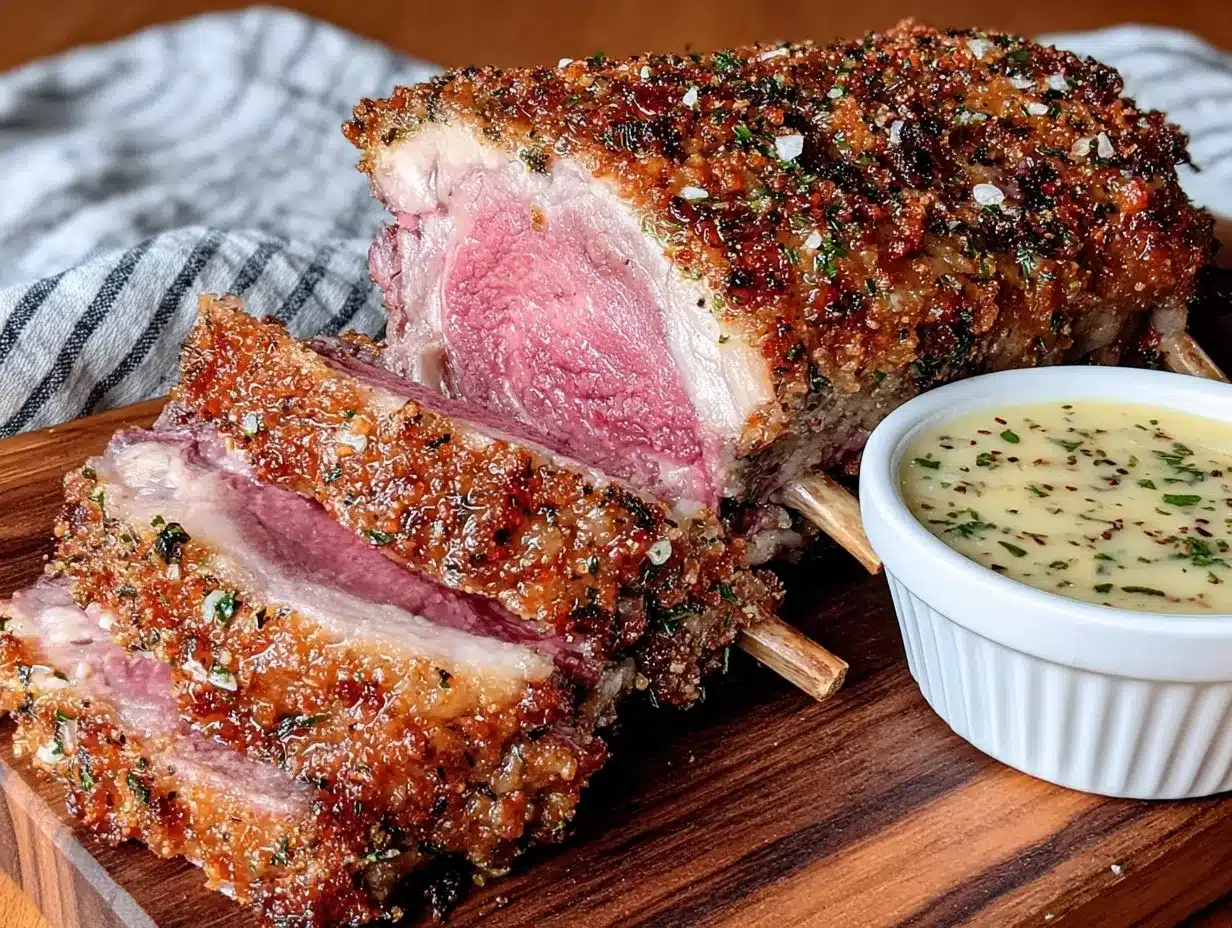
Getting started with this perfect roasted rack of lamb is straightforward, but precision matters. Follow these steps closely for the best results. The process is broken down into clear stages to help you manage your time in the kitchen.
- Preheat and Prep: Start by preheating your oven to 425°F (220°C). This high heat is crucial for creating that beautiful crust. Take your rack of lamb out of the refrigerator about 30 minutes before cooking. Letting it come to room temperature helps it cook more evenly. While the oven heats, pat the lamb dry with paper towels. Moisture is the enemy of a good crust, so get it as dry as possible.
- Season the Meat: Sprinkle the lamb generously with kosher salt and freshly cracked black pepper on all sides. Rub it in gently. This basic seasoning enhances the natural flavor of the meat. If there are any loose strings of fat or sinew, trim them off with your knife now.
- Apply the Mustard: Spread a thin, even layer of Dijon mustard over the entire top surface of the lamb, covering the meat and the fat cap. Don’t skip the sides. The mustard acts as a binder for the herb crust. You don’t need a thick layer; just enough to cover the surface.
- Make the Herb Crust: In a small bowl, mix the minced garlic, chopped fresh rosemary, chopped fresh thyme, panko breadcrumbs, and a drizzle of olive oil. The mixture should be damp and clump together. If it’s too dry, add a little more oil. If it’s too wet, add more panko.
- Press the Crust: Press the herb mixture firmly onto the mustard-coated side of the lamb. Use your hands to ensure it sticks well. You want a thick, even layer. Gently press down on the sides as well to secure the herbs. Be careful not to break the bones.
- Roast the Lamb: Place the lamb, crust-side up, in your roasting pan. If you have a rack, place the lamb on it. Put it in the preheated oven. Roast for about 20-25 minutes for medium-rare. The exact time depends on the size of your rack and your desired doneness. Use a meat thermometer to check the internal temperature. For medium-rare, aim for 125°F-130°F (52°C-54°C). For medium, aim for 135°F-140°F (57°C-60°C).
- Rest the Meat: Once the lamb reaches the desired temperature, remove it from the oven. Transfer it to a cutting board and tent it loosely with aluminum foil. Let it rest for at least 10 minutes. This step is non-negotiable. Resting allows the juices to redistribute throughout the meat. If you cut into it immediately, all the juices will run out, leaving you with dry lamb.
- Slice and Serve: After resting, slice the rack between the bones into individual chops. Arrange them on a platter. The crust should be golden brown and crispy. Serve immediately while hot.
Cooking Tips & Techniques
I’ve made my fair share of mistakes with lamb over the years. I once overcooked a rack so badly it was well-done and tough. It was a sad sight. Here are some tips to help you avoid common pitfalls and ensure success.
First, don’t rush the resting phase. Ten minutes might feel like a long time when you’re hungry, but it makes a world of difference. The residual heat continues to cook the lamb slightly, so pull it out a few degrees before your target temperature. The temperature will rise by about 5 degrees during resting.
Another tip is to watch your herbs closely. Rosemary can burn quickly if the oven is too hot or if the breadcrumbs aren’t protecting them. If you notice the crust browning too fast, loosely tent the lamb with foil for the last few minutes of cooking. This shields the herbs from direct heat while allowing the meat to finish cooking.
Also, consider searing the lamb first. Some chefs like to sear the crust in a hot pan before roasting. This adds an extra layer of flavor and ensures the crust is crispy. If you choose to do this, sear for 1-2 minutes per side, then transfer to the oven. It’s an optional step, but it adds depth.
Finally, trust your thermometer. Visual cues can be misleading, especially with lamb. A good instant-read thermometer is worth its weight in gold. It takes the stress out of guessing and guarantees perfect results every time. Don’t be afraid to poke it in; it won’t ruin the meat if you do it quickly.
Variations & Adaptations
While the classic garlic-herb crust is my favorite, there are many ways to adapt this recipe to suit your taste or dietary needs. Flexibility is key in the kitchen.
For a Mediterranean twist, add chopped olives and sun-dried tomatoes to the herb crust. The briny flavor of the olives pairs beautifully with the lamb. You can also add a bit of lemon zest to brighten the flavors. This variation is fantastic for spring dinners.
If you prefer a spicier kick, add red pepper flakes or a dash of cayenne pepper to the breadcrumb mixture. This adds a subtle heat that complements the richness of the meat. It’s a great option for those who like a bit of zing.
For a gluten-free version, simply swap the panko breadcrumbs for gluten-free panko or crushed nuts like almonds or walnuts. Nut crusts add a wonderful crunch and a different flavor profile. Almonds pair particularly well with lamb and rosemary.
I also tried a curry-infused crust once by adding garam masala and coriander to the herb mix. It was unexpected but delicious. It gave the dish an Indian-inspired flavor that was totally unique. Don’t be afraid to experiment with different spice blends.
Serving & Storage Suggestions
When it comes to serving, presentation matters. Arrange the lamb chops on a warm platter. Garnish with fresh herb sprigs for a pop of color. This dish pairs well with roasted vegetables, mashed potatoes, or a simple green salad. A light white wine, like a Sauvignon Blanc, complements the flavors perfectly.
Leftovers can be stored in an airtight container in the refrigerator for up to three days. Reheat gently in a low oven or a skillet to avoid drying out the meat. Microwaving is not recommended as it can make the lamb tough. The flavors actually develop over time, making leftovers quite tasty the next day.
You can also freeze the uncooked rack of lamb. Wrap it tightly in plastic wrap and then in foil. It will keep well for up to three months. Thaw in the refrigerator before cooking. This is a great way to buy in bulk when lamb is on sale.
Nutritional Information & Benefits
Lamb is a great source of high-quality protein, which is essential for muscle repair and growth. It is also rich in vitamin B12, iron, and zinc. These nutrients support energy levels and immune function. A serving of this perfect roasted rack of lamb provides a substantial amount of these essential nutrients.
However, lamb is also higher in saturated fat compared to other meats. Enjoy it in moderation as part of a balanced diet. The herb crust adds fiber and antioxidants from the garlic and rosemary. It’s a nutritious choice when prepared with care.
For those watching their carb intake, this recipe is naturally low-carb, especially if you use almond flour instead of breadcrumbs. It fits well into keto or low-carb lifestyles. Just be mindful of any side dishes you choose, as starchy sides can add up quickly.
Conclusion
Making a perfect roasted rack of lamb at home is easier than you think. It’s a dish that commands respect and delivers on flavor. With just a few simple steps and quality ingredients, you can create a meal that feels luxurious and satisfying. I hope this recipe inspires you to try something new in your kitchen. Don’t be afraid to get your hands dirty and experiment with flavors.
I’d love to hear how your lamb turns out. Did you stick to the classic herb crust or try a variation? Share your thoughts in the comments below. If you enjoyed this recipe, please share it with friends or family. Cooking is better when shared. Thanks for reading, and happy cooking!
FAQs
How do I know when my rack of lamb is done?
The most accurate way is to use a meat thermometer. For medium-rare, aim for an internal temperature of 125°F-130°F. For medium, aim for 135°F-140°F. Remember that the temperature will rise by about 5 degrees while the meat rests.
Can I cook a rack of lamb without a rack?
Yes, you can place the lamb directly on a baking sheet. However, using a rack allows for better air circulation, which helps the bottom cook evenly and prevents steaming. If you don’t have a rack, just be sure to rotate the pan halfway through cooking.
What sides go well with roasted lamb?
Lamb pairs beautifully with roasted vegetables like carrots, potatoes, and asparagus. Mashed potatoes, a simple green salad, or couscous are also excellent choices. A light red or white wine complements the meal well.
How do I store leftover lamb?
Store leftover lamb in an airtight container in the refrigerator for up to three days. Reheat gently in a skillet or low oven to maintain moisture. Avoid microwaving, as it can make the meat tough.
Can I freeze raw rack of lamb?
Yes, you can freeze raw rack of lamb. Wrap it tightly in plastic wrap and then in foil. It will keep well for up to three months. Thaw it in the refrigerator before cooking.
Pin This Recipe!
Perfect Roasted Rack Of Lamb: 3 Easy Steps
- Total Time: 40 minutes
- Yield: 4 servings 1x
Description
An easy-to-follow recipe for a juicy, flavorful roasted rack of lamb with a crispy garlic-herb crust. This method ensures a perfect medium-rare result every time, making it ideal for special occasions or date nights.
Ingredients
- 1–2 racks of lamb, French-trimmed (approx. 1.5–2.5 lbs)
- 1/2 cup Dijon mustard
- 1/4 cup fresh rosemary, chopped
- 1/4 cup fresh thyme, chopped
- 4 cloves garlic, minced
- 1 cup panko breadcrumbs
- 2 tbsp extra virgin olive oil
- 1 tbsp kosher salt
- 1 tsp freshly cracked black pepper
- 1 tbsp butter (optional, for roasting pan)
Instructions
- Preheat oven to 425°F (220°C). Remove lamb from refrigerator 30 minutes before cooking to reach room temperature.
- Pat the lamb dry with paper towels to ensure a good crust.
- Season the lamb generously on all sides with kosher salt and black pepper.
- Spread a thin, even layer of Dijon mustard over the top surface and sides of the lamb.
- In a small bowl, mix minced garlic, chopped rosemary, chopped thyme, panko breadcrumbs, and olive oil until damp and clumping.
- Press the herb mixture firmly onto the mustard-coated side of the lamb, ensuring it sticks well.
- Place the lamb crust-side up in a roasting pan or on a baking rack.
- Roast for 20-25 minutes, or until internal temperature reaches 125°F-130°F for medium-rare (or 135°F-140°F for medium).
- Remove from oven and tent loosely with aluminum foil. Let rest for at least 10 minutes.
- Slice between the bones into individual chops and serve immediately.
Notes
Let the lamb rest for at least 10 minutes after cooking to allow juices to redistribute. The internal temperature will rise by about 5 degrees during resting. If the crust browns too quickly, tent loosely with foil for the last few minutes of cooking. For a gluten-free version, substitute panko with almond flour or gluten-free breadcrumbs.
- Prep Time: 15 minutes
- Cook Time: 25 minutes
- Category: Main Course
- Cuisine: American
Nutrition
- Serving Size: 1 chop per serving
- Calories: 450
- Sodium: 600
- Fat: 32
- Saturated Fat: 14
- Carbohydrates: 8
- Fiber: 1
- Protein: 35
Keywords: roasted rack of lamb, garlic herb crust, easy lamb recipe, dinner party food, medium rare lamb, French trimmed lamb