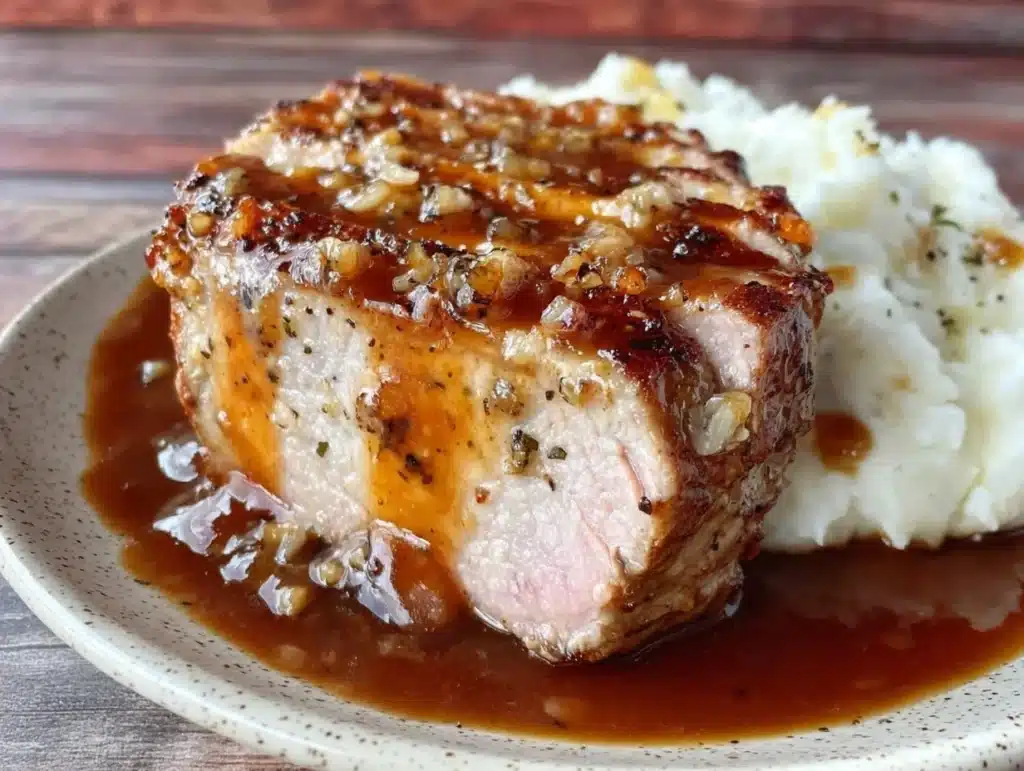
Let’s face it, I used to dread Sunday evenings. You know the feeling. The weekend is ending, the fridge is looking empty, and the idea of cooking dinner on Monday feels like a punishment. I was stuck in a rut of sad desk salads and questionable gas station sandwiches. Then I discovered the magic of the Slow Cooker Mississippi Pork Tenderloin. Honestly, it wasn’t just a meal; it was a lifeline.
I first made this during a particularly chaotic week when work deadlines clashed with family obligations. I needed something that could handle being left alone in the kitchen while I tackled emails, yet still deliver a flavor profile that felt special. This recipe changed everything. The combination of savory, salty, and slightly sweet creates an aroma that fills the house and makes everyone wonder what the secret ingredient is. Spoiler alert: it’s just simple pantry staples.
What I love most is how versatile this Mississippi pork tenderloin is. It’s not just a Monday night dinner. I realized that because the meat stays so juicy and tender in the slow cooker, it’s perfect for meal prep. I started batching it out on Sunday, and suddenly, my lunches for the rest of the week were sorted. No more mid-afternoon hunger pangs or stressing about what to pack. It’s organized, upbeat, and practically delicious.
As someone who has tested dozens of slow cooker recipes over the years, I can say this one stands out. It’s forgiving, flavorful, and fits perfectly into a busy lifestyle. Whether you are a working parent, a student, or just someone who wants to eat well without spending hours in the kitchen, this method is for you. Let’s get into why this specific cut of meat works so well for our “one base, five different lunches” strategy.
Why You’ll Love This Recipe
There are a few reasons why this Slow Cooker Mississippi Pork Tenderloin has become a staple in my weekly rotation. It’s not just about convenience, though that’s a huge plus. It’s about the balance of flavors and the texture of the meat. I’ve tried making this with pork shoulder before, but it just didn’t have the same elegant bite. The tenderloin cooks faster and stays moist, which is crucial when you’re planning to eat it over several days.
- Quick & Easy Setup: You literally dump everything into the pot. There’s no searing, no chopping mountains of vegetables, and no complex seasoning blends to measure. It comes together in under 10 minutes. Perfect for busy weeknights or when you need to prep lunches while the kids are still awake.
- Simple Ingredients: You likely already have everything you need in your kitchen. Onion soup mix, ranch dressing mix, butter, and au jus gravy mix. These are pantry staples that add incredible depth without requiring a special grocery trip.
- Perfect for Meal Prep: This is the ultimate batch-cooking base. You cook one large tenderloin, and it transforms into five distinct lunches. It saves time, money, and mental energy throughout the week.
- Crowd-Pleaser: Even my picky eater husband loves this. The flavor is bold but not overwhelming. Kids usually love it because it’s tender and easy to chew, while adults appreciate the savory complexity.
- Unbelievably Delicious: The butter melts into the gravy mix, creating a rich sauce that coats every shred of pork. It’s comfort food reimagined for the modern, busy home cook. It’s the kind of meal that makes you close your eyes after the first bite and just smile.
What makes this recipe different from other slow cooker pork dishes is the specific use of tenderloin. Many people default to pork shoulder because it’s cheaper, but for lunch prep, tenderloin is superior. It doesn’t get tough or stringy if you overcook it slightly. It holds its shape better when sliced cold or room temperature, which is ideal for sandwiches or salads later in the week. It’s a small detail that makes a big difference in your weekly meal planning system.
What Ingredients You Will Need
This recipe relies on simple, wholesome ingredients to deliver bold flavor and satisfying texture without the fuss. The beauty of the Mississippi method is that it uses dried seasoning mixes to create a complex sauce base. These pantry staples are reliable and consistent, which is exactly what you want when you are planning your week’s lunches ahead of time. You don’t need fancy, hard-to-find items, just good quality basics.
- Pork Tenderloin (1.5 to 2 lbs): Look for firm, symmetrical tenderloins. I prefer buying two smaller ones rather than one giant one because they cook more evenly. Larger pieces can sometimes remain raw in the center while the outside overcooks. Ensure they are fresh and have no strange odors.
- Unsalted Butter (1/4 cup): This adds richness and helps carry the flavors of the seasoning mixes. I recommend using high-quality European-style butter if you can find it, as it has a higher fat content and richer taste. Melt it slightly before adding for easier mixing.
- Ranch Dressing Mix (1 packet): Standard dry ranch packets work best here. Brands like Hidden Valley or generic store brands are fine. This provides the creamy, herby base note that balances the saltiness. Do not use liquid ranch dressing; the dry mix is essential for the texture.
- Onion Soup Mix (1 packet): This is the secret weapon. It adds a deep, caramelized onion flavor that mimics slow-cooked onions without the effort. Lipton is a trusted brand for this, as their granules dissolve well. Make sure you get the dry mix, not the creamy soup.
- Au Jus Gravy Mix (1 packet): This provides the savory, beefy undertones that complement the pork. It might sound strange to put beef gravy mix on pork, but it works beautifully. It adds umami and depth that salt alone cannot achieve.
- Garlic (2-3 cloves, minced): Fresh garlic is preferred here for a brighter flavor. However, if you are short on time, jarred minced garlic works too. Just be aware that the flavor profile will be slightly less vibrant. I usually throw the whole cloves in and let them break down in the slow cooker.
- Optional Fresh Herbs: While not strictly necessary, a sprig of fresh thyme or rosemary can add a nice aromatic touch. I often throw these in for the first three days of eating, then remove them to prevent the herbs from becoming bitter or mushy over time.
Keep this section scannable and easy to follow. The ingredients are straightforward, which is part of the appeal. You don’t need to worry about substitution here unless you have specific dietary restrictions, as the dried mixes are quite specific. Just ensure you have all the packets ready before you start, so you can get everything into the pot quickly.
What Equipment Do I Need?
You don’t need much to make this work. A standard 4-6 quart slow cooker is perfect for one or two tenderloins. If you have a larger family, you might need a 6-quart model to ensure the meat isn’t too cramped. A smaller slow cooker can work, but you may need to cook in batches. I recommend using a liner if you want to save on cleanup, but it’s not necessary. The sauce is flavorful, so scrubbing the pot is easy. Also, have a sharp carving knife and a cutting board ready. A meat thermometer is helpful if you want to be precise, but the slow cooker is forgiving enough that you can rely on time alone.
Preparation Method
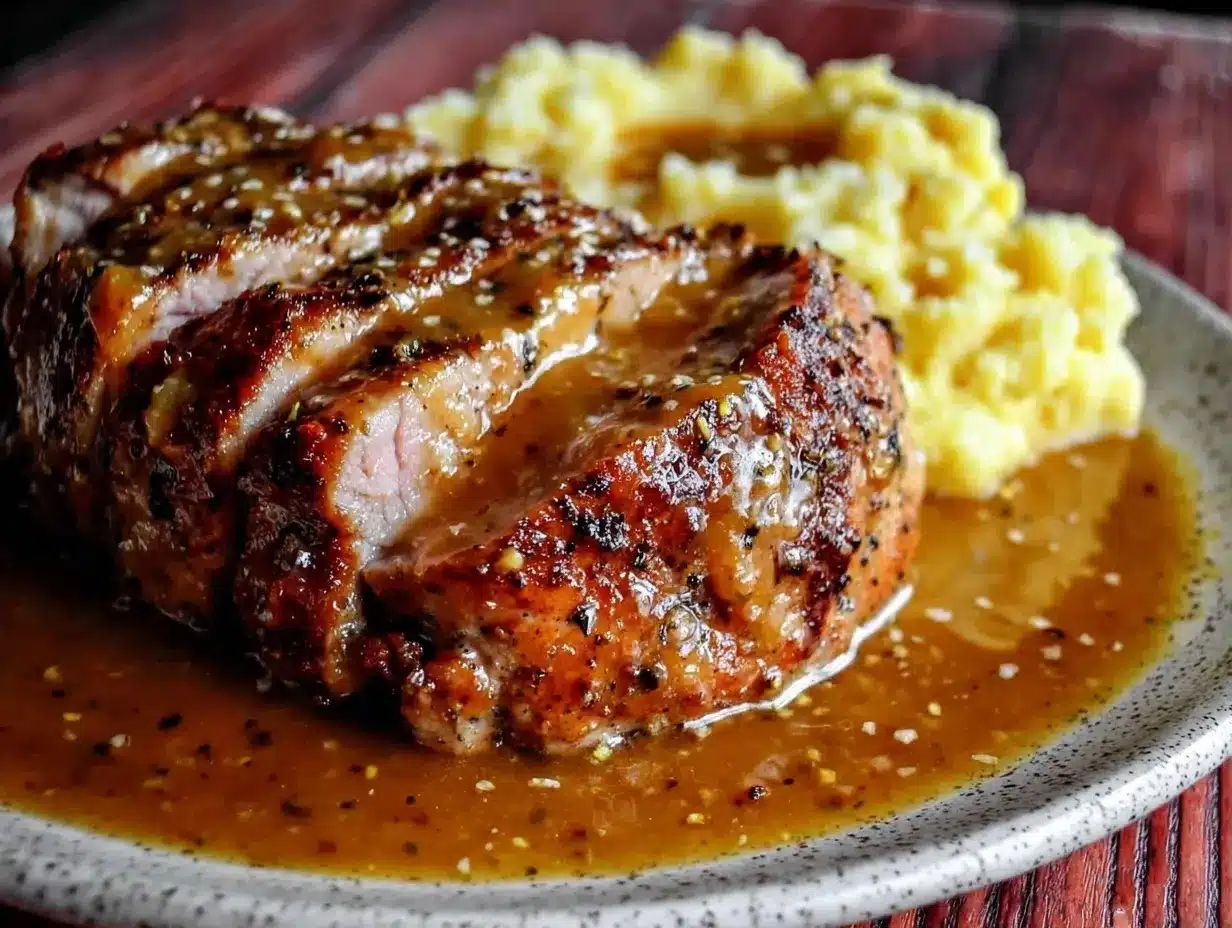
Getting this ready is incredibly straightforward. I like to do this on Sunday morning while I’m having my coffee. It sets the tone for the whole week. Here is exactly how I do it to ensure the best results for my lunches.
- Prepare the Pork: Rinse the pork tenderloins under cold water and pat them dry with paper towels. This step is important to remove any excess moisture that might dilute the sauce. Trim any silver skin or excess fat with your knife. If you have two tenderloins, you can leave them whole or cut them in half crosswise. I usually keep them whole for the first few days and shred the rest later.
- Combine the Dry Mixes: In a small bowl, whisk together the ranch dressing mix, onion soup mix, and au jus gravy mix. This ensures the flavors are evenly distributed before they hit the meat. If you have garlic, mince it finely and add it to this bowl. This mixture will form the base of your sauce.
- Place Pork in Slow Cooker: Put the pork tenderloins into the slow cooker insert. If you are using two tenderloins, place them side by side. Do not stack them on top of each other, as this will prevent even cooking. The goal is for the sauce to coat all surfaces.
- Add the Butter and Seasoning: Pour the melted butter over the pork. Then, sprinkle the dry seasoning mixture evenly over the top. You want to cover the meat as much as possible. Use your hands to gently rub the seasoning into the butter and the surface of the pork. This helps the flavors adhere better during the cooking process.
- Add Liquid: Pour in 1/2 cup of water or low-sodium chicken broth. This helps create steam and prevents the mixes from burning at the bottom. It also creates enough liquid to make a sauce later. If you prefer a thicker sauce, use less liquid; for a thinner sauce suitable for pouring over rice or mashed potatoes, use more.
- Cook: Cover the slow cooker and cook on LOW for 6-7 hours or on HIGH for 3-4 hours. The pork is done when it reaches an internal temperature of 145°F (63°C) and is fork-tender. Since I am meal prepping, I often cook it for the full 7 hours on low. This ensures the meat is incredibly soft and easy to slice or shred later in the week.
- Rest and Slice: Once cooked, remove the pork from the slow cooker and place it on a cutting board. Let it rest for 10 minutes. This allows the juices to redistribute throughout the meat. If you cut it immediately, the juices will run out, and the meat will be drier. Resting is crucial for maintaining moisture over several days of storage.
After resting, you can slice the pork into medallions or shred it with two forks. I usually slice the first three servings for sandwiches and salads, and then shred the rest for tacos or grain bowls later in the week. This variety keeps the lunches interesting and prevents boredom.
How to Get the Best Results
One common mistake people make is overcooking the pork on HIGH. If you use the HIGH setting, check the meat after 3 hours. It can dry out quickly if left too long. I always recommend LOW and slow for meal prep. It allows the connective tissues to break down gently, resulting in a more tender product. Also, don’t skip the resting step. It seems minor, but it makes a huge difference in texture. Another tip is to taste the sauce after cooking. If it’s too salty, add a splash of water or a teaspoon of sugar to balance it. The dried mixes can be quite salty, so adjust to your preference. Finally, store the sauce separately from the meat if you plan to eat it cold. This prevents the meat from becoming soggy in the fridge.
Variations & Adaptations
While the classic Mississippi flavor is delicious, you can adapt this recipe to suit different tastes or dietary needs. Here are a few variations I’ve tried that work well for lunch prep.
- Spicy Mississippi Pork: Add a diced jalapeño or a teaspoon of red pepper flakes to the dry mix. This adds a nice kick that pairs well with the creamy ranch flavor. It’s great for those who like a bit of heat in their lunches.
- Herb-Forward Version: Skip the au jus mix and add fresh thyme, rosemary, and sage to the dry mix. This creates a more rustic, herbaceous flavor profile that pairs beautifully with roasted vegetables. It feels more sophisticated and less processed.
- Low-Sodium Option: Use low-sodium ranch and onion soup mixes if available. You can also reduce the amount of au jus mix by half and supplement with salt-free garlic powder and onion powder. This is ideal if you are watching your sodium intake but still want the flavor.
- Gluten-Free Adaptation: Ensure all your seasoning mixes are certified gluten-free. Many ranch and onion soup mixes contain wheat flour as a thickener. There are many gluten-free versions available now, or you can make your own dry mixes from scratch.
- Vegetarian Swap: While this recipe is designed for pork, you can use large portobello mushroom caps or a block of firm tofu. Marinate the tofu in the same seasoning mix before cooking. The texture will be different, but the flavor will be similar.
I often experiment with these variations to keep my lunches exciting. For example, on Wednesday, I might use the spicy version, and on Friday, I might use the herb-forward one. It’s a small change that makes the meal feel new again. Don’t be afraid to tweak the recipe to fit your palate. Cooking should be fun, not rigid.
Serving & Storage Suggestions
How you serve this pork tenderloin will depend on your lunch plans. I usually slice it thinly for sandwiches on crusty bread or soft ciabatta. The juices make the bread slightly soggy, but in a good way. It’s like a gourmet sandwich. For salads, I chop the pork into bite-sized pieces and toss it over mixed greens with a balsamic vinaigrette. The pork is flavorful enough that it doesn’t need much dressing.
For storage, let the pork cool completely before placing it in airtight containers. It will last in the refrigerator for up to 5 days. If you want to freeze it, wrap the portions tightly in plastic wrap and place them in freezer bags. It can be frozen for up to 3 months. To reheat, simply microwave the portion for 1-2 minutes or warm it in a skillet with a splash of broth. The flavors actually develop and deepen over time, so Day 3 and Day 4 often taste even better than Day 1.
Complementary sides include roasted sweet potatoes, steamed broccoli, or a simple green salad. I also like to serve it with rice or quinoa to soak up the extra sauce. These sides are easy to prep in bulk as well, making your meal prep even more efficient. The key is to have a mix of textures and temperatures to keep your meals interesting.
Nutritional Information & Benefits
Pork tenderloin is a lean source of protein, making it a great choice for a balanced diet. A typical serving contains about 20-25 grams of protein, which helps keep you full and satisfied throughout the afternoon. It is also rich in thiamine, selenium, and zinc. The ranch and onion mixes add some sodium, so be mindful of your overall intake if you are sensitive to salt. However, the benefits of having a healthy, homemade meal ready to go outweigh the minor concerns. It’s a practical way to ensure you are getting enough protein without relying on processed deli meats.
Conclusion
The Slow Cooker Mississippi Pork Tenderloin is more than just a recipe; it’s a strategy for a less stressful week. It allows you to plan ahead, save time, and eat well without compromising on flavor. I love that it’s versatile enough to be used in sandwiches, salads, and grain bowls. It’s a true “one base, five lunches” champion. I encourage you to try it and see how it fits into your routine. Feel free to adjust the seasoning to your liking and experiment with different sides. I’d love to hear how you customize it. Leave a comment below with your favorite way to eat this pork!
Frequently Asked Questions
Can I use pork shoulder instead of tenderloin?
Yes, you can use pork shoulder, but it will require longer cooking times (8-10 hours on low) and the texture will be different. Tenderloin is better for meal prep because it stays moist and slices cleanly. Pork shoulder can become stringy if not handled correctly.
How do I reheat the pork without drying it out?
Reheat the pork gently in the microwave with a splash of water or broth. Cover it with a damp paper towel to trap steam. Alternatively, warm it in a skillet over low heat with a little extra sauce. Avoid high heat, which can toughen the meat.
Can I freeze the leftovers?
Absolutely. Let the pork cool completely, then portion it into freezer-safe containers or bags. It can be frozen for up to 3 months. Thaw in the refrigerator overnight before reheating.
Is this recipe gluten-free?
It depends on the seasoning mixes you use. Many ranch and onion soup mixes contain wheat. Check the labels or use certified gluten-free versions. You can also make your own dry mixes from scratch for a guaranteed gluten-free result.
Can I make this in an Instant Pot?
Yes, you can. Sear the pork first, then add the ingredients and cook on High Pressure for 15-20 minutes. Let the pressure release naturally for 10 minutes. The results will be similar, but the texture may be slightly firmer than slow-cooked pork.
Pin This Recipe!
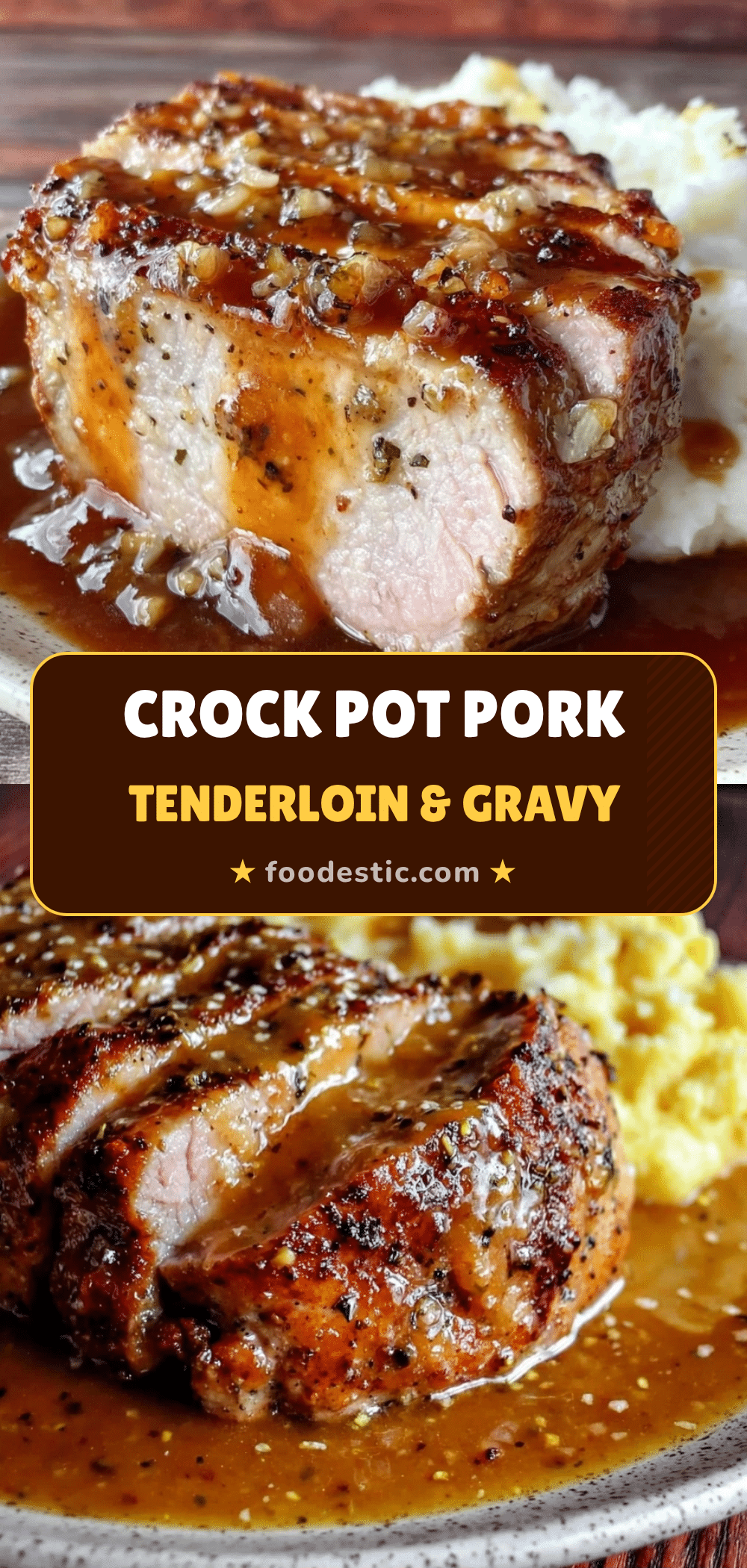
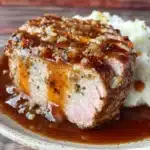
Slow Cooker Mississippi Pork Tenderloin: 1 Base, 5 Lunches
- Total Time: 6 hours 17 minutes
- Yield: 5 servings 1x
Description
A versatile and easy slow cooker recipe using simple pantry staples to create juicy pork tenderloin perfect for meal prep and five different lunches throughout the week.
Ingredients
- 1.5 to 2 lbs Pork Tenderloin
- 1/4 cup Unsalted Butter
- 1 packet Ranch Dressing Mix (dry)
- 1 packet Onion Soup Mix (dry)
- 1 packet Au Jus Gravy Mix
- 2–3 cloves Garlic, minced
- 1/2 cup Water or low-sodium chicken broth
- Optional: Fresh thyme or rosemary sprigs
Instructions
- Rinse pork tenderloins under cold water, pat dry, and trim any silver skin or excess fat.
- In a small bowl, whisk together the ranch dressing mix, onion soup mix, au jus gravy mix, and minced garlic.
- Place the pork tenderloins into the slow cooker insert side by side.
- Pour melted butter over the pork, then sprinkle the dry seasoning mixture evenly on top. Rub seasoning into the butter and meat.
- Pour in 1/2 cup of water or low-sodium chicken broth.
- Cover and cook on LOW for 6-7 hours or on HIGH for 3-4 hours, until internal temperature reaches 145°F (63°C) and meat is fork-tender.
- Remove pork from slow cooker and let rest for 10 minutes before slicing or shredding.
Notes
For best meal prep results, cook on LOW for the full 7 hours to ensure tenderness. Rest the meat for 10 minutes to retain juices. Store sauce separately from meat if eating cold to prevent sogginess. Can be frozen for up to 3 months.
- Prep Time: 10 minutes
- Cook Time: 6-7 hours
- Category: Main Course
- Cuisine: American
Nutrition
- Serving Size: Approximately 1/5 of
- Calories: 350
- Sugar: 2
- Sodium: 900
- Fat: 12
- Saturated Fat: 6
- Carbohydrates: 8
- Fiber: 1
- Protein: 25
Keywords: slow cooker, pork tenderloin, meal prep, mississippi pork, easy dinner, lunch ideas, one pot meal