Let’s be honest for a second. Most French toast recipes promise you’ll taste like a five-star hotel breakfast, but what you actually get is soggy, eggy bread that falls apart on your plate. I’ve been there. I remember standing in my kitchen at 7 AM, desperate for comfort, only to pull a tray of burnt, dry slices out of the oven. It wasn’t breakfast; it was a disappointment. That was the moment I decided to stop following random Pinterest pins and start actually understanding the science of custard and heat.
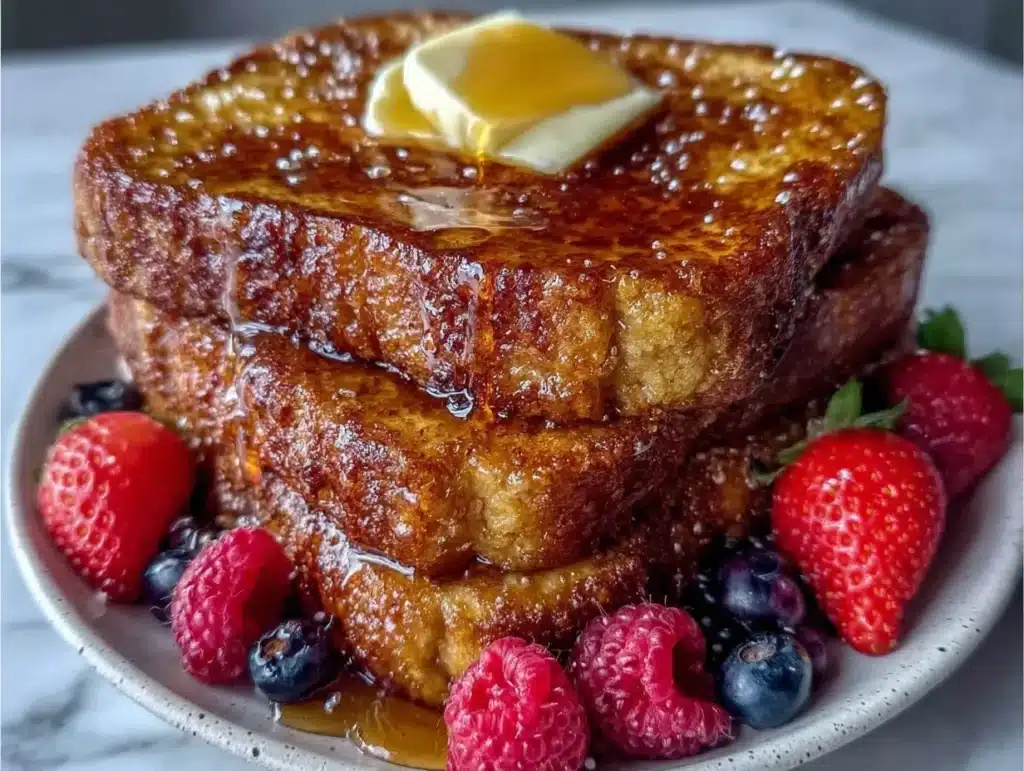
After testing this Best French Toast Recipe over a dozen times, I finally cracked the code. It’s not just about whisking eggs and milk together. It’s about the ratio of dairy to egg, the type of bread you choose, and the patience to let that custard soak in properly. When you get it right, the inside is creamy and rich, almost like a savory flan, while the outside gets that perfect, crisp, caramelized crust. Honestly, it’s the kind of meal that makes you want to cancel your plans and stay in bed all day.
I developed this version because I wanted something that felt indulgent but didn’t require a trip to a specialty bakery for ingredients. You know how it is when you want a fancy breakfast but only have what’s in your fridge. This recipe uses simple pantry staples to create something that tastes like it came from a Parisian café. It’s quick enough for a weekday morning but special enough for a weekend brunch when you’re hosting friends. Once you try this method, you’ll never go back to the old way of just dipping bread in egg and throwing it in the pan.
Why You’ll Love This Recipe
I’ve spent years in professional kitchens and home kitchens alike, tweaking recipes until they work every single time. This French toast isn’t just another variation; it’s the result of countless failures and a few lucky breaks. I tested different breads, from sourdough to brioche, and settled on a specific technique that guarantees consistency. Whether you are a novice cook or a seasoned chef, this method removes the guesswork. You won’t end up with dry edges and raw centers, which is the most common complaint with homemade French toast.
Here is why this recipe stands out from the crowd:
- Quick & Easy: The batter comes together in under five minutes. The soaking time is the only wait, and you can prep that the night before if you’re rushing. It’s perfect for busy weeknights or lazy Sunday mornings when you don’t want to spend hours in the kitchen.
- Simple Ingredients: You likely already have everything in your kitchen. Eggs, milk, cinnamon, vanilla, and sturdy bread. No fancy syrups or obscure spices needed. It relies on high-quality basics to do the heavy lifting.
- Perfect for Brunch: This dish is the ultimate crowd-pleaser for weekend gatherings. It looks elegant plated with fresh berries, yet it’s humble enough for a family dinner. It pairs beautifully with crispy bacon or sausage links.
- Crowd-Pleaser: Kids love the sweetness, and adults appreciate the rich, custardy texture. It’s a neutral dish that appeals to almost everyone, making it a safe bet for picky eaters.
- Unbelievably Delicious: The combination of vanilla bean paste and a touch of nutmeg creates a depth of flavor that feels sophisticated. The texture is next-level comfort food—crispy on the outside, pillowy soft on the inside.
What makes this different is the soaking method. Many recipes tell you to dip the bread quickly. I tell you to let it sit. This allows the bread to absorb the custard fully without falling apart. It’s a small change that makes a massive difference in the final bite. It’s the kind of recipe that makes you close your eyes after the first bite. It’s comfort food reimagined—faster, but with the same soul-soothing satisfaction you crave.
What Ingredients You Will Need
This recipe uses simple, wholesome ingredients to deliver bold flavor and satisfying texture without the fuss. The magic lies in the balance between the liquid custard and the sturdy bread. You want a bread that can hold its structure but is porous enough to absorb the egg mixture. Avoid soft sandwich bread, as it will turn to mush. Instead, look for day-old brioche, challah, or thick-cut sourdough. These breads have a tighter crumb and a richer flavor profile that stands up to the heat.
For the custard, the dairy choice matters. I recommend using whole milk for the richest flavor, but half-and-half works wonders if you want an extra decadent result. The eggs should be large and fresh, providing the protein structure that sets the custard. Vanilla is non-negotiable here; skip the extract and use vanilla bean paste or a scraped vanilla bean for those little specks of flavor. Cinnamon adds warmth, while a pinch of nutmeg and salt balances the sweetness. Salt is crucial—it makes the vanilla pop and prevents the toast from tasting flat.
- Brioche or Challah Bread: Thick slices, about 1 inch thick. Day-old bread is ideal because it’s slightly drier and absorbs more custard without disintegrating.
- Large Eggs: Use 3 to 4 large eggs depending on the size of your bowl. Room temperature eggs blend more smoothly into the milk.
- Whole Milk: 1 cup of whole milk. If you want a lighter version, you can swap this for 2% milk, but the richness will decrease slightly.
- Vanilla Bean Paste: 1 tablespoon. This provides a superior flavor compared to standard extract and adds visual appeal.
- Ground Cinnamon: 1 teaspoon. Use a fresh jar for the strongest aroma.
- Nutmeg: A small pinch. Freshly grated nutmeg is best, but pre-ground works in a pinch.
- Salt: ½ teaspoon of kosher salt. This is essential for balancing the sweetness.
- Butter: Unsalted butter for the skillet. You’ll need enough to coat the pan generously for frying.
- Maple Syrup: Pure maple syrup for serving. Avoid fake syrups for the best experience.
If you are dairy-free, you can substitute the milk with oat milk or coconut milk, though the flavor will be slightly different. For a gluten-free option, use a sturdy gluten-free brioche-style bread, but be careful not to over-soak it as these breads can break down faster.
Equipment Needed
You don’t need fancy gadgets to make great French toast. A large, shallow baking dish or a wide bowl is perfect for dipping and soaking the bread. I prefer a baking dish because it has low sides, making it easy to slide the bread in and out without breaking it. A whisk is necessary to break up the eggs and fully incorporate the milk and spices. Make sure there are no streaks of white egg white left in the yellow custard.
For cooking, a heavy-bottomed skillet is your best friend. Cast iron is traditional and holds heat beautifully, ensuring an even cook. However, a stainless steel or non-stick skillet works just as well if you manage the heat carefully. Avoid thin aluminum pans, as they have hot spots that can burn the bread before the center is cooked. A wooden spatula or a thin metal turner is helpful for flipping the slices gently. Keep a wire rack and a baking sheet ready to hold the finished toast, which keeps it warm and crisp while you finish the batch.
How to Make the Best French Toast Recipe
Start by preparing your station. This is a quick cook, so having everything ready is key. Whisk the eggs, milk, vanilla, cinnamon, nutmeg, and salt in your shallow dish until the mixture is uniform and frothy. This should take about 30 seconds. If you see bubbles, you’ve whisked well enough. Taste the mixture—it should taste slightly sweeter than you want the toast to be, as the bread will dilute the flavor.
Take your thick slice of bread and place it into the custard. Let it soak for about 20 to 30 seconds per side. You want the bread to be saturated but not falling apart. If the bread is very fresh and soft, reduce the soaking time to 15 seconds. If it’s day-old and dense, you can go up to 40 seconds. Lift the bread and let the excess custard drip off for a few seconds. Don’t rush this step, or you’ll have pooling liquid in your pan.
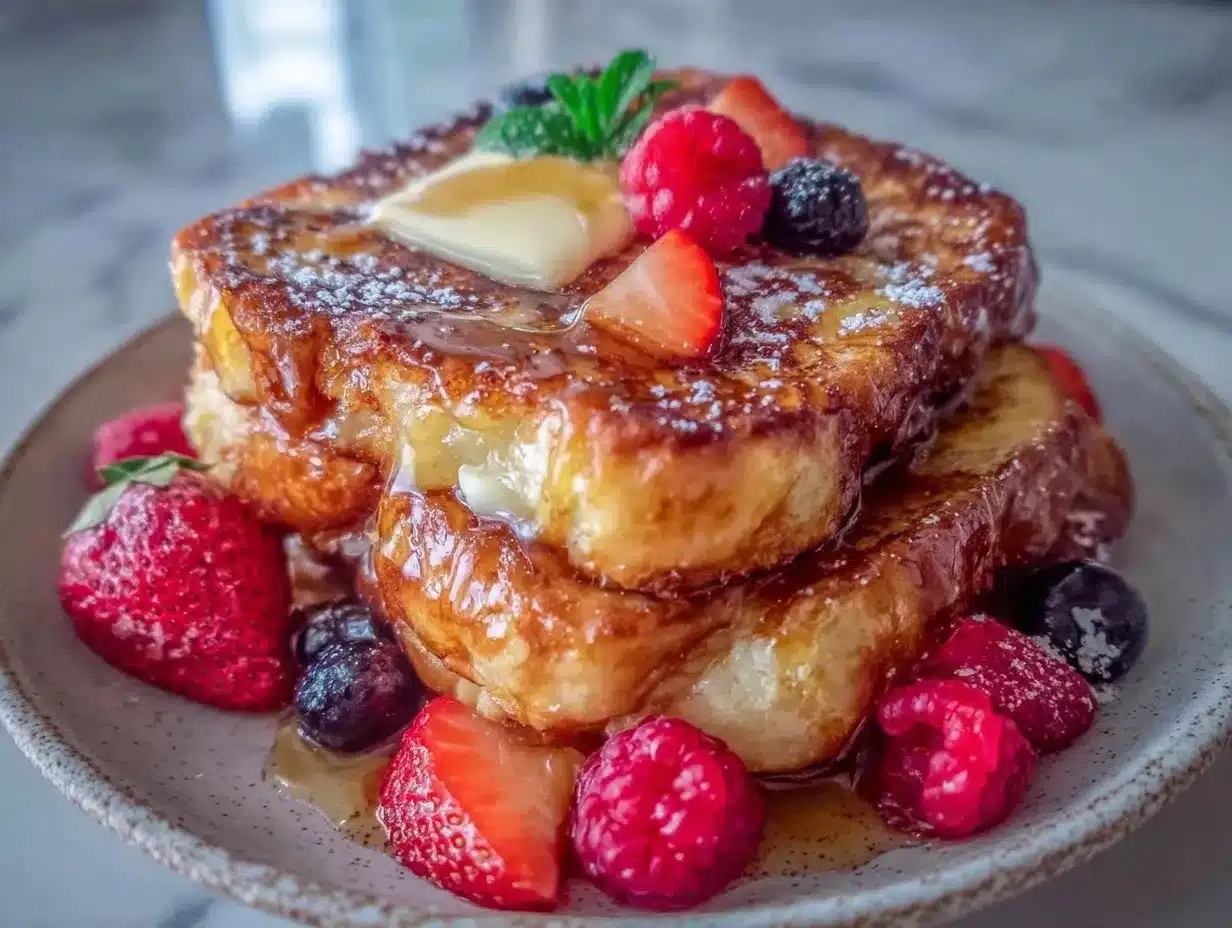
Heat a skillet over medium-low heat. Add a tablespoon of butter and let it melt. Wait until the butter stops foaming and turns a light golden color. This indicates the water has evaporated and the milk solids are starting to brown, which adds flavor. Place two slices of bread in the pan. Do not overcrowd the skillet, as this lowers the temperature and steams the bread instead of frying it. Cook for 3 to 4 minutes on the first side. You are looking for a deep golden-brown color. If the outside is browning too fast, lower the heat. The goal is to cook the custard inside without burning the crust.
Flip the slices carefully. Cook for another 2 to 3 minutes on the second side. The toast should be firm to the touch and evenly browned. If you press down gently, it should spring back slightly. Transfer the finished toast to a wire rack set over a baking sheet. This allows air to circulate so the bottom doesn’t get soggy from steam. Repeat with the remaining bread, adding more butter to the pan as needed. Serve immediately while hot.
Cooking Tips & Techniques
The biggest mistake people make is using high heat. It’s tempting to crank it up to get a quick cook, but this burns the outside and leaves the inside raw. Medium-low heat is the sweet spot. It gives the custard time to set and the bread time to caramelize. I learned this the hard way after burning three batches in one morning. Patience is the secret ingredient.
Another tip is to use day-old bread. Fresh bread has too much moisture, which means it absorbs less custard and takes longer to cook. If you only have fresh bread, toast the slices lightly in the oven for 5 minutes before soaking. This dries out the surface slightly, allowing for better absorption. Also, don’t skip the salt. It enhances the vanilla and cinnamon flavors, making the toast taste more like a dessert than just sweet bread.
Multitasking is key here. While the first batch is cooking, you can whisk up another batch of custard if you are making a large quantity. Keep the finished toast warm in a 200°F oven. This prevents the butter from solidifying on the crust, keeping it tender. If you are serving a crowd, keep the skillet warm between batches by wiping it out and adding a fresh knob of butter. Consistency in heat management ensures every slice is perfect.
Variations & Adaptations
This recipe is a canvas for your creativity. For a chocolate twist, add a tablespoon of cocoa powder to the custard mix and top with chocolate chips after flipping. It turns into a breakfast treat that tastes like a indulgent dessert. If you want a citrusy note, add the zest of one orange or lemon to the egg mixture. It cuts through the richness and adds a bright aroma that pairs well with berries.
For a spiced variation, swap the cinnamon for pumpkin pie spice or add a pinch of cardamom. This works beautifully in the fall and winter months. If you are looking for a savory option, omit the sugar and vanilla, and add chopped chives and black pepper to the custard. Top with fried cheese for a savory French toast sandwich. These adaptations keep the recipe fresh and exciting, allowing you to use it for different occasions throughout the year.
Serving & Storage Suggestions
Serve this French toast warm, straight from the pan. It pairs wonderfully with a stack of crispy bacon or sausage links. A side of fresh fruit, like strawberries or blueberries, adds a tart contrast to the sweet toast. Drizzle with pure maple syrup and a dusting of powdered sugar for a classic presentation. A dollop of whipped cream or Greek yogurt adds a creamy texture that complements the custardy interior.
If you have leftovers, store them in an airtight container in the refrigerator for up to three days. To reheat, use a toaster or an oven at 350°F for about 10 minutes. Avoid the microwave, as it will make the bread chewy and soggy. The flavors actually develop slightly over the first day, becoming richer and more cohesive. You can also freeze the cooked slices for up to a month. Reheat them directly from frozen in a toaster oven for the best texture.
Nutritional Information & Benefits
While this is a treat, it can fit into a balanced diet. The eggs provide high-quality protein, which helps keep you full until lunch. The bread offers carbohydrates for energy, and the butter adds healthy fats if you use unsalted varieties. One slice contains approximately 300-350 calories, depending on the size of the bread and the amount of butter used. It is not gluten-free unless you use GF bread, and it contains dairy and eggs. However, the simplicity of the ingredients means you know exactly what you are eating. It’s a comforting meal that nourishes both body and soul.
Conclusion
Making the Best French Toast Recipe is easier than you think, and the results are worth the effort. It transforms a simple breakfast into a memorable experience. I encourage you to try this method and adjust it to your taste. Maybe you like it extra sweet, or perhaps you prefer a hint of spice. The beauty of this recipe is its flexibility. It’s a staple in my home because it brings joy to the table every single time. I love sharing this with my family, seeing their faces light up at the first bite. Give it a try and let me know how it turns out in the comments below. Happy cooking!
Frequently Asked Questions
Can I make this French toast the night before?
Yes! You can assemble the soaked bread in a baking dish, cover it tightly with plastic wrap, and refrigerate it overnight. In the morning, just cook the slices as directed. This is great for busy mornings.
What is the best bread for French toast?
Thick-cut brioche, challah, or French bread are the best options. They are sturdy enough to hold the custard without falling apart. Avoid soft white sandwich bread.
Why is my French toast soggy?
This usually happens if you don’t cook it long enough on medium-low heat, or if you use bread that is too fresh and soggy. Make sure to let the custard set before flipping.
Can I use almond milk instead of dairy milk?
Absolutely. Almond milk, oat milk, or coconut milk work well as substitutes. The texture might be slightly less rich, but the flavor will still be delicious.
How do I keep French toast warm for a large group?
Place cooked slices on a wire rack set over a baking sheet and keep them in a 200°F oven. This prevents steam from making the bottom soggy.
Pin This Recipe!
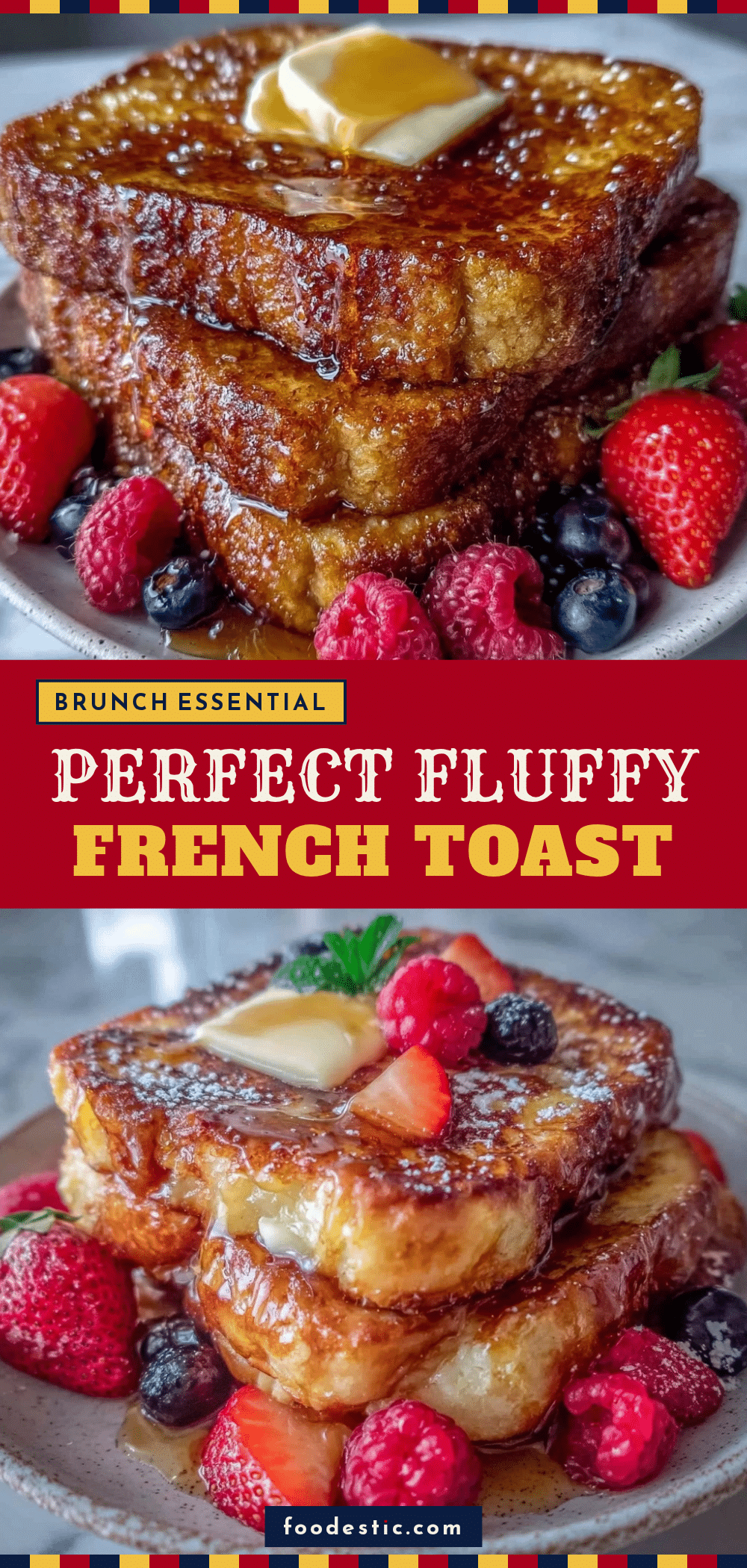

Best French Toast Recipe: 5-Minute Easy Homemade Breakfast
- Total Time: 20 minutes
- Yield: 4 servings 1x
Description
A perfected French toast recipe featuring a rich custard soak and a crisp, caramelized crust. Using simple pantry staples and day-old brioche or challah, this method ensures creamy, flan-like interiors without the sogginess.
Ingredients
- 3–4 large eggs
- 1 cup whole milk
- 1 tablespoon vanilla bean paste
- 1 teaspoon ground cinnamon
- A small pinch of nutmeg
- 1/2 teaspoon kosher salt
- 4 thick slices (1 inch) brioche or challah bread (day-old preferred)
- Unsalted butter for the skillet
- Pure maple syrup for serving
Instructions
- Whisk the eggs, milk, vanilla bean paste, cinnamon, nutmeg, and salt in a shallow baking dish until uniform and frothy.
- Place thick slices of bread into the custard mixture and let soak for 20-30 seconds per side (reduce to 15 seconds for fresh bread, increase to 40 seconds for dense day-old bread).
- Lift the bread and allow excess custard to drip off for a few seconds.
- Heat a heavy-bottomed skillet (cast iron or stainless steel) over medium-low heat.
- Add a tablespoon of butter and let it melt until it stops foaming and turns light golden.
- Place two slices of bread in the skillet, ensuring not to overcrowd the pan.
- Cook for 3-4 minutes on the first side until deep golden-brown.
- Flip the slices carefully and cook for another 2-3 minutes on the second side until firm and evenly browned.
- Transfer finished toast to a wire rack set over a baking sheet to keep warm and crisp.
- Repeat with remaining bread, adding more butter as needed.
- Serve immediately with maple syrup, fresh berries, or bacon.
Notes
Use day-old bread for best results as it absorbs custard without falling apart. If using fresh bread, toast it lightly in the oven for 5 minutes before soaking. Keep cooked toast warm in a 200°F oven on a wire rack to maintain crispness. For dairy-free, substitute milk with oat or coconut milk. For gluten-free, use sturdy GF brioche-style bread but reduce soaking time.
- Prep Time: 5 minutes
- Cook Time: 15 minutes
- Category: Breakfast
- Cuisine: American
Nutrition
- Serving Size: 1 slice of bread wit
- Calories: 325
- Sugar: 6
- Sodium: 350
- Fat: 18
- Saturated Fat: 8
- Carbohydrates: 28
- Fiber: 1
- Protein: 12
Keywords: French toast, breakfast recipe, brioche, challah, easy breakfast, brunch ideas, homemade french toast, custard french toast