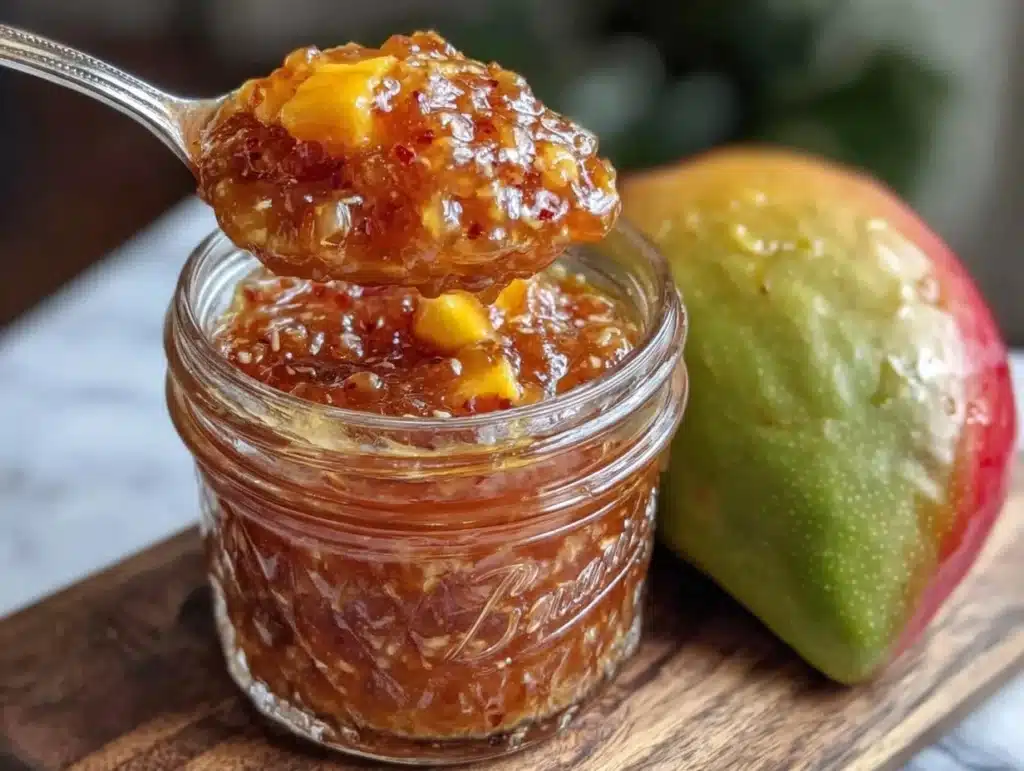
The smell of ripe mangoes cooking down in a heavy-bottomed pot is pure nostalgia. It’s that sweet, tropical scent that instantly transports me back to my grandmother’s kitchen in Florida during the humid July heat. I remember watching her stir that vibrant orange mixture, mesmerized by how it transformed from chunky fruit into a glossy, spreadable treasure. There’s something magical about that process, and honestly, it’s the reason I started making my own jam years ago. I’ve tried store-bought versions, but they always felt too stiff or artificially sweet. This easy mango jam without pectin changes everything for me.
I first attempted this recipe during a particularly busy week when I had a bag of overripe mangoes sitting on my counter. I didn’t have any pectin on hand, and I didn’t want to waste good fruit. So, I experimented with just mangoes and sugar, relying on the natural pectin in the fruit itself. The result was incredible. It wasn’t just good; it was restaurant-quality. I’ve made this over a dozen times since then, tweaking the sugar levels and cooking times to get that perfect gel. It’s become my go-to way to preserve the peak flavor of summer mangoes.
You know how some recipes feel like work? This one doesn’t. It’s incredibly forgiving. You just chop, stir, and wait. The best part is that it uses only two main ingredients. No weird additives, no chemical preservatives, just fruit and sugar. If you’re looking for a way to use up those soft mangoes before they go bad, this is your answer. It’s also perfect for gifting during the holidays or adding a gourmet touch to your morning toast. I’m sharing my tested method so you can achieve that perfect spreadable texture every single time.
Why You’ll Love This Recipe
After testing this easy mango jam without pectin multiple times, I can confidently say it’s the best way to capture the essence of tropical fruit. I’ve learned a lot about fruit chemistry through trial and error, and this recipe leverages the natural properties of mangoes to create a stunning preserve. Here is why this specific method works so well for home cooks:
- Quick & Easy: The entire process takes less than 45 minutes from start to finish. You don’t need to spend all day monitoring a boiling pot. It’s perfect for a rainy afternoon when you want to do something productive but not stressful.
- Simple Ingredients: You likely have everything you need right now. Just ripe mangoes and sugar. No trips to specialty stores for pectin packets or citric acid. This simplicity is what makes it accessible for everyone.
- Perfect for Gift Giving: Jar this up in nice mason jars with a twine bow, and you have an affordable, heartfelt gift. It’s a hit at potlucks and family gatherings because it tastes homemade and luxurious.
- Crowd-Pleaser: Kids who usually hate “healthy” spreads love this because it tastes like candy. Adults appreciate the subtle floral notes of the mango that you just can’t get from artificial jams. It bridges the gap between dessert and breakfast.
- Unbelievably Delicious: The texture is silky and smooth, not gelatinous. The flavor is concentrated and bright. When you spread it on warm brioche or mix it into yogurt, it feels like a vacation in a spoon.
What makes this different from other mango jam recipes is the focus on natural setting. Many recipes call for adding lemon juice or commercial pectin to force a set. I find that by using the right ratio of sugar to fruit and cooking it slowly, the mangoes release their own natural gums. This results in a jam that feels more authentic and less processed. It’s not just about sweetness; it’s about capturing the true flavor of the mango. I’ve found that this method preserves the vibrant color better than high-heat methods, keeping that beautiful golden hue that makes it so photogenic.
What Ingredients You Will Need
This recipe relies on the natural sweetness and pectin content of ripe fruit. The fewer ingredients you use, the more you taste the mango. I’ve found that keeping it simple allows the fruit to shine without being masked by excessive spices or acids. Here is exactly what you need to make this easy mango jam without pectin.
- Ripe Mangoes (4-5 medium): This is the most critical component. You need mangoes that are fully ripe. Look for varieties like Alphonso, Ataulfo (Honey), or Tommy Atkins if you can’t find Alphonso. The skin should give slightly to pressure, and the fruit should smell sweet and fragrant at the stem end. Avoid hard, green mangoes as they lack the natural sugars and pectin needed for setting. Peel and dice them into small cubes for faster cooking.
- Granulated Sugar (1 to 1.5 cups): Sugar does more than just sweeten; it acts as a preservative and helps extract moisture from the fruit, which is essential for the jam to set without pectin. I recommend starting with 1 cup for a less sweet, fruit-forward jam. If you prefer a traditional sweet preserve, go up to 1.5 cups. Use standard white granulated sugar for the cleanest flavor. Brown sugar can be used, but it will darken the color and add a molasses note that might overpower the delicate mango.
- Lemon Juice (1 tablespoon, optional): While not strictly necessary for setting, a splash of fresh lemon juice brightens the flavor and balances the sweetness. It also helps prevent crystallization. Use fresh-squeezed lemon juice rather than bottled for the best taste. If you are using very ripe mangoes, you might skip this, as they often have enough natural acidity.
- Vanilla Extract (1 teaspoon, optional): For a deeper, more complex flavor, add a teaspoon of pure vanilla extract at the end of cooking. This pairs beautifully with the tropical notes of the mango. Avoid imitation vanilla, as it can taste artificial in such a simple recipe.
I always recommend using a heavy-bottomed saucepan for this. It prevents scorching, which can ruin the flavor. Also, make sure your mangoes are peeled and diced evenly so they cook at the same rate. If you are using a blender to make it smoother, wait until after the cooking process to avoid splattering hot sugar syrup.
Do I need a specific type of sugar?
White granulated sugar is best because it dissolves easily and doesn’t alter the color of the jam. However, you can use coconut sugar for a lower-glycemic option, though the jam will be darker and have a stronger flavor.
Equipment Needed
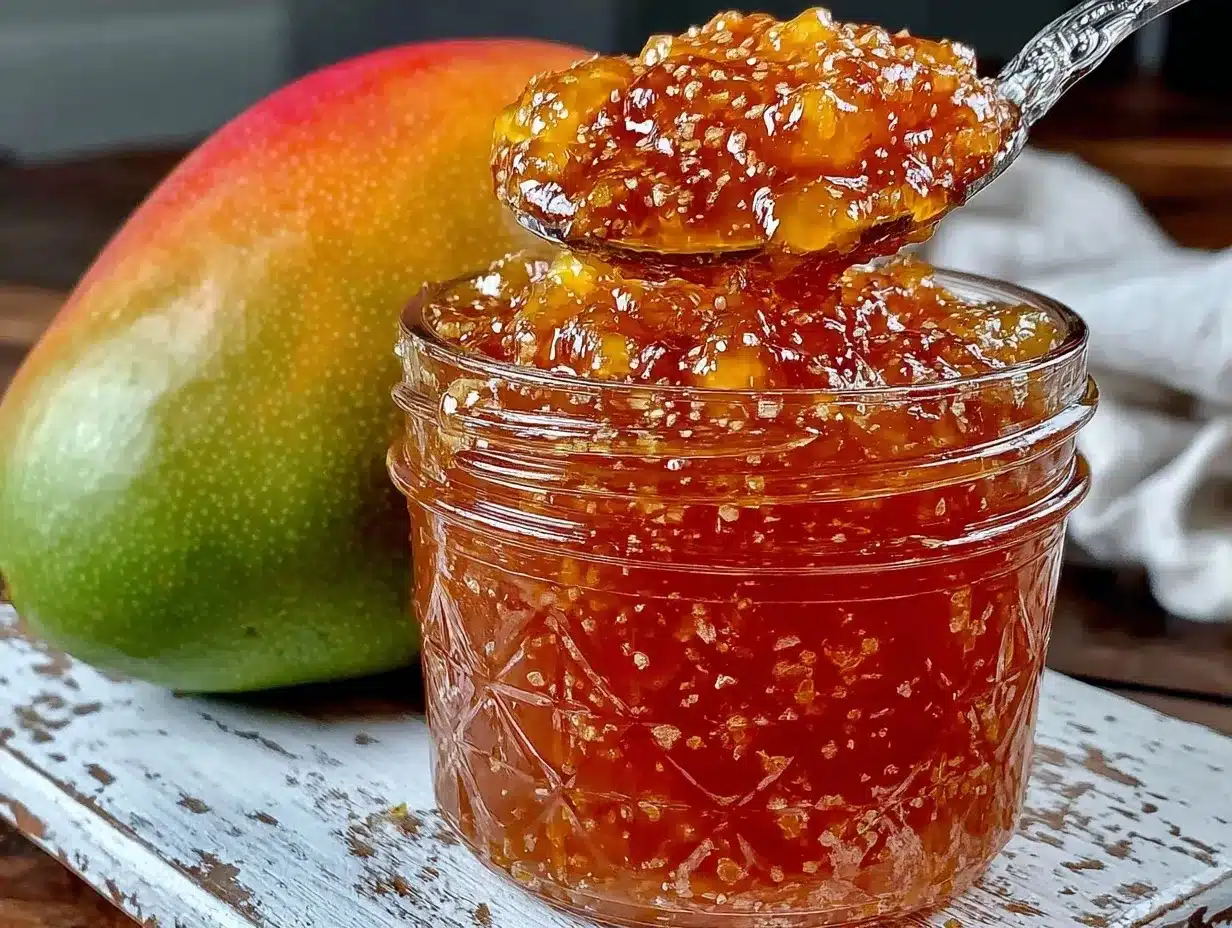
You don’t need fancy gadgets to make this easy mango jam without pectin. A few basic kitchen tools are all you need. I prefer using a large, heavy-bottomed stainless steel saucepan, about 4 to 5 quarts in size. This size allows the jam to bubble without boiling over and ensures even heat distribution. A wooden spoon is essential for stirring; it doesn’t conduct heat like metal spoons and is gentle on the pan. A fine-mesh sieve or food mill is helpful if you want a completely smooth jam, though many people enjoy the texture of small fruit pieces. Finally, have your sterilized jars ready before you start cooking. I use standard 8-ounce mason jars, which yield about three to four jars of jam.
Preparation Method
- Prepare the Mangoes: Start by washing your mangoes. Cut the flesh away from the pit. You should have about 4 to 5 cups of diced mango. If you want a smoother jam, you can mash the cubes slightly with a fork or pulse them briefly in a blender. Be careful not to puree them completely, as you want some texture. This step takes about 5 minutes. Place the diced mango into your heavy-bottomed saucepan.
- Add Sugar and Lemon Juice: Sprinkle the granulated sugar evenly over the mangoes. If you are using lemon juice, add it now. Stir the mixture gently to combine. Let it sit for about 15-20 minutes. This maceration step draws out the juices from the fruit and helps the sugar dissolve. You’ll see a pool of liquid forming at the bottom of the pan. This is crucial for preventing the sugar from burning.
- Begin Cooking: Place the saucepan over medium heat. Bring the mixture to a gentle boil. Once it starts bubbling, reduce the heat to medium-low. You want a steady simmer, not a rolling boil, which can cause the jam to splatter and burn. Stir frequently to prevent sticking, especially around the edges. This initial cooking phase takes about 10-15 minutes.
- Cook Until Thickened: Continue to cook the jam, stirring every few minutes. The mixture will gradually thicken and become more translucent. You’ll notice the bubbles becoming larger and slower. This is where patience pays off. The cooking process should take another 15-20 minutes. If you see the jam starting to stick, reduce the heat further. Add vanilla extract now if you are using it.
- Test for the Set: To check if the jam is ready, place a small plate in the freezer while the jam cooks. When you think it’s done, take the cold plate out and drop a teaspoon of hot jam onto it. Let it cool for 30 seconds. Push the jam with your finger. If it wrinkles and holds its shape, it’s ready. If it’s still runny, cook for another 5 minutes and test again. This usually happens around the 30-40 minute mark total.
- Jar the Jam: Once the jam reaches the desired consistency, remove it from the heat. Let it cool for about 5 minutes to reduce the risk of cracking jars. Ladle the hot jam into your sterilized jars, leaving about 1/4 inch of headspace. Wipe the rims clean with a damp cloth to ensure a good seal. Immediately place the lids on the jars and screw on the bands tightly.
- Process for Storage (Optional): For longer shelf life, you can process the jars in a boiling water bath for 10 minutes. This is optional for jam that will be eaten within a few weeks, but recommended if you want to store it in the pantry for months. Let the jars cool completely. You should hear a “ping” sound as they seal.
How do I know when the jam is done?
The plate test is the most reliable method. The jam will continue to thicken as it cools, so don’t overcook it in the pan. It should look glossy and coat the back of a spoon.
Cooking Tips & Techniques
One common mistake people make is using under-ripe mangoes. They simply don’t have enough natural pectin or sugar to set properly. Always choose fruit that smells sweet. Another tip is to stir consistently. Sugar burns easily, so keep a close eye on the bottom of the pan. If you notice dark spots forming, stir more vigorously or lower the heat immediately. I also recommend using a candy thermometer if you have one. The setting point for jam is usually around 220°F (104°C). This takes the guesswork out of the plate test. If you don’t have a thermometer, rely on the visual cues: the jam should pull away from the sides of the pan slightly and move as one mass when you stir it.
Can I make this in a slow cooker?
Yes, but it takes longer. Combine ingredients in the slow cooker and cook on high for 3-4 hours, stirring occasionally. It’s hands-off but requires more time.
Variations & Adaptations
This basic recipe is a fantastic canvas for creativity. You can add spices like a pinch of cardamom or ginger for a warming twist. For a tropical punch, add a handful of diced pineapple or passion fruit seeds. If you want a savory option, try adding a small amount of chili flakes or jalapeño. This creates a spicy mango chutney-like jam that pairs well with cheese. For a lower-sugar version, you can use erythritol or stevia, but note that the texture may be slightly different as sugar helps with the gel. You can also swap half the sugar for honey, which adds a unique floral note. I once made a batch with mint leaves steeped in the mixture, which was refreshing and surprising.
Is this recipe gluten-free?
Yes, this easy mango jam without pectin is naturally gluten-free as long as you use gluten-free sugar and avoid any cross-contamination in your kitchen.
Serving & Storage Suggestions
This jam is best served at room temperature to appreciate its full flavor. Spread it on warm toast, pancakes, or waffles. It’s also delicious mixed into yogurt, swirled into oatmeal, or used as a glaze for roasted meats like pork or chicken. For storage, keep the jam in the refrigerator for up to 3 months. If you processed the jars in a water bath, they can be stored in a cool, dark pantry for up to a year. Once opened, always refrigerate. The jam will thicken further as it cools in the fridge, which is normal. If you want to freeze it, leave headspace in the jar for expansion. It thaws well and can be used in smoothies or baking.
How long does it take to set?
It takes about 24 hours for the jam to fully set and reach its final consistency after jarring. Be patient before slicing into it.
Nutritional Information & Benefits
Mangoes are packed with vitamins A and C, which support immune health and skin vitality. They also contain fiber, which aids digestion. While this jam contains sugar, making it a treat rather than a staple, it is free from artificial additives and preservatives. A typical serving is one tablespoon, which provides about 50 calories. This is lower in calories than many commercial jams that use high-fructose corn syrup. If you are watching your sugar intake, use this sparingly or opt for the lower-sugar variation. It’s a healthier alternative to store-bought options because you control the ingredients.
Is this jam vegan?
Yes, provided you use granulated sugar that is not processed with bone char. Many brands are certified vegan, so check the label if this is important to you.
Conclusion
Making your own easy mango jam without pectin is a rewarding experience that connects you to the seasons. It’s simple, delicious, and incredibly versatile. I hope you try this recipe and enjoy the taste of summer in every jar. Don’t be afraid to experiment with flavors and find your perfect balance. If you make this, I’d love to hear how it turned out. Share your photos or tips in the comments below. Happy jamming!
FAQs
Can I use frozen mangoes for this recipe?
Yes, you can use frozen mangoes. Just thaw them completely and drain any excess liquid before cooking. You may need to cook it a bit longer to evaporate the extra moisture.
Why is my jam runny?
This usually happens if the mangoes weren’t ripe enough or if the jam wasn’t cooked long enough. Ensure you use sweet, ripe mangoes and cook until the jam coats the back of a spoon.
How do I prevent sugar crystallization?
Stirring the mixture until the sugar is fully dissolved before boiling helps. Adding a splash of lemon juice also prevents crystallization.
Can I make this recipe sugar-free?
You can use sugar substitutes, but the texture may not set as firmly. You may need to cook it longer to achieve a thicker consistency.
How long does homemade mango jam last?
Stored in the refrigerator, it lasts for about 3 months. If canned properly, it can last up to a year in the pantry.
Pin This Recipe!
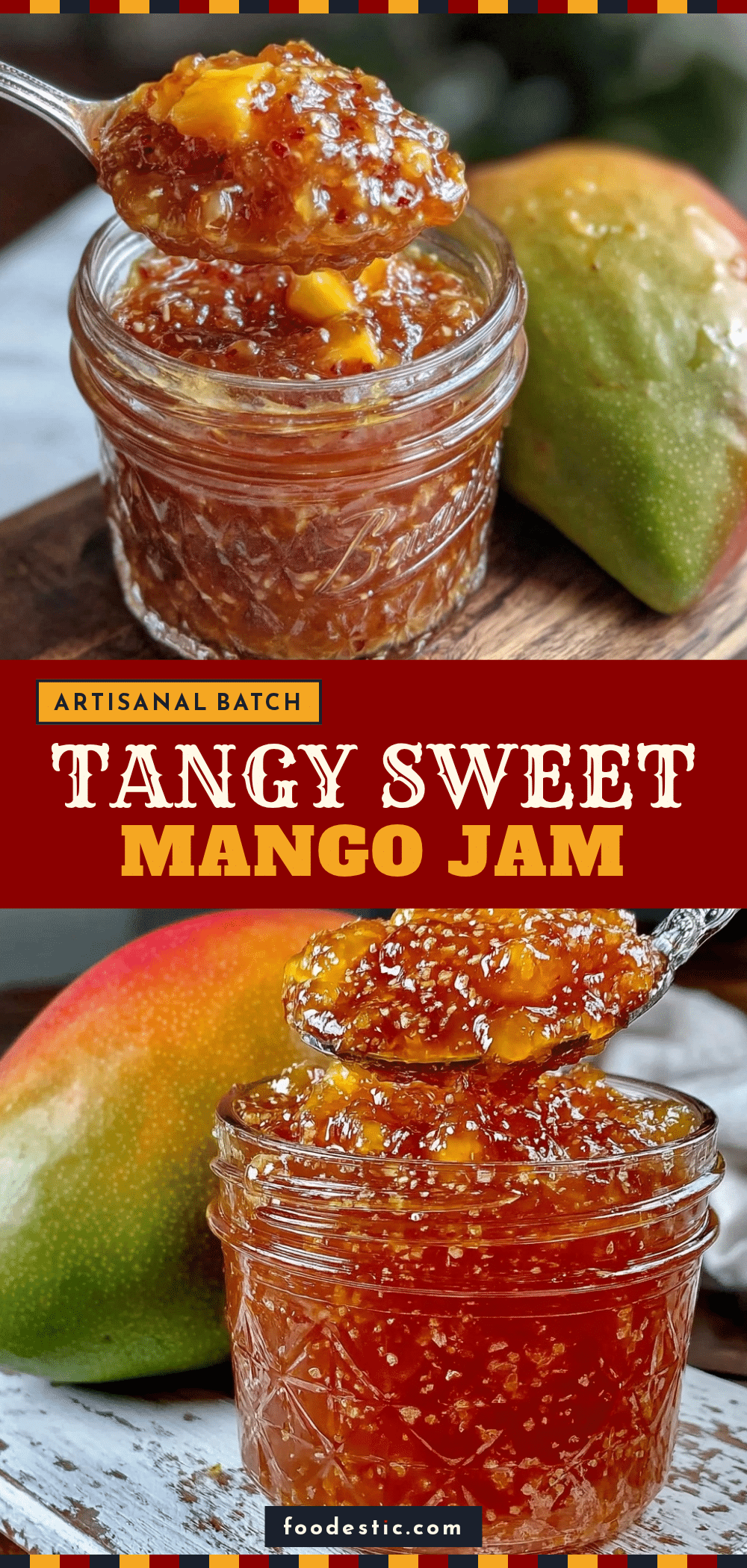
Easy Mango Jam Without Pectin: Best 2-Ingredient Recipe
- Total Time: 45 minutes
- Yield: 3-4 jars (8 oz each) 1x
Description
A simple, nostalgic mango jam made with just ripe mangoes and sugar. This pectin-free recipe captures the true flavor of tropical fruit with a silky, spreadable texture in under 45 minutes.
Ingredients
- 4–5 medium ripe mangoes (peeled and diced)
- 1 to 1.5 cups granulated sugar
- 1 tablespoon fresh lemon juice (optional)
- 1 teaspoon pure vanilla extract (optional)
Instructions
- Wash mangoes, cut flesh from pits, and dice into small cubes (about 4-5 cups). Place in a heavy-bottomed saucepan.
- Sprinkle sugar evenly over mangoes and add lemon juice if using. Stir gently and let sit for 15-20 minutes to macerate.
- Place saucepan over medium heat and bring to a gentle boil, then reduce to medium-low for a steady simmer.
- Cook for 10-15 minutes, stirring frequently to prevent sticking.
- Continue cooking for another 15-20 minutes until the mixture thickens and becomes translucent. Add vanilla extract if using.
- Test for set by placing a teaspoon of jam on a cold plate; it should wrinkle and hold its shape when pushed.
- Remove from heat and let cool for 5 minutes.
- Ladle hot jam into sterilized jars, leaving 1/4 inch headspace. Wipe rims and seal tightly.
- Optional: Process jars in a boiling water bath for 10 minutes for longer shelf life.
Notes
Use fully ripe mangoes for natural pectin and sweetness. The jam will continue to thicken as it cools. For a smoother texture, mash the cooked jam slightly. If using frozen mangoes, thaw and drain excess liquid first.
- Prep Time: 20 minutes
- Cook Time: 25 minutes
- Category: Condiments
- Cuisine: American
Nutrition
- Serving Size: 1 tablespoon
- Calories: 50
- Sugar: 12
- Carbohydrates: 13
- Fiber: 0.5
- Protein: 0.2
Keywords: mango jam, pectin-free jam, homemade jam, easy jam recipe, tropical jam, vegan jam, gluten-free jam