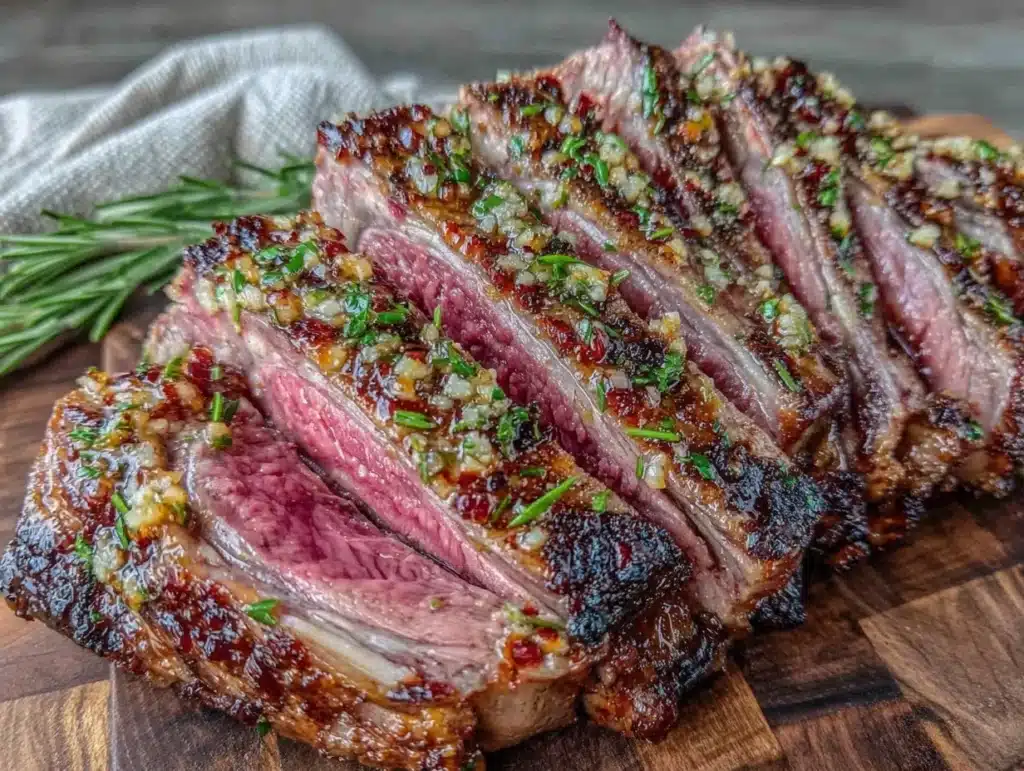
Let’s be honest, I used to think grilling lamb was a total gamble. You know the kind of gamble where you spend forty dollars on meat and end up with something tough as leather and dry as the Sahara. I remember the first time I tried to cook a rack of lamb on my backyard grill. It was a humid July evening, and I was trying to impress a date who claimed to love “authentic Mediterranean cuisine.” Spoiler alert: he didn’t say that again.
The lamb came off the grill looking charred on the outside and frankly, a little concerning on the inside. I cut into it, and there was a splash of pink that looked more like raw beef juice than medium-rare perfection. It was a disaster. But that failure taught me something crucial. Grilling a rack of lamb isn’t about throwing it on the heat and hoping for the best. It’s about precision, patience, and knowing exactly when to pull it off.
Fast forward to today, and this juicy grilled rack of lamb recipe is my go-to for special occasions. It’s not just about the meat; it’s about the ritual. The sizzle, the herbs hitting the hot coals, the aroma that fills the entire yard. I’ve tested this method over a dozen times, tweaking the marinade and adjusting the grill temps, until I landed on this perfect five-step process. It’s reliable, it’s impressive, and honestly, it’s surprisingly easy if you follow the steps.
Whether you are hosting a dinner party or just want to treat yourself to something fancy on a Tuesday, this recipe delivers. The key is using high-quality meat and not overcooking it. Lamb is lean, so it dries out fast. But when done right, it’s tender, juicy, and packed with flavor. Let’s face it, once you master this, you’ll never buy pre-marinated racks from the store again. You’ll be the hero of the grill, and your friends will be begging for the recipe.
Why You’ll Love This Recipe
I’ve spent years experimenting with different cuts of meat, but there is something special about a rack of lamb. It’s elegant, but it’s also rustic. It feels like you’ve accomplished something major just by standing there flipping tongs. This recipe stands out because it strips away the complexity. You don’t need a sous-vide machine or a smoker that costs more than my car. You just need a grill and a few simple ingredients.
Here is why this specific method works so well for home cooks:
- Quick & Easy Prep: The marinade takes about ten minutes to mix. You can do it while you’re preheating the grill. It’s perfect for those nights when you want something gourmet but don’t have hours to spend in the kitchen.
- Simple Ingredients: You likely have garlic, rosemary, olive oil, and Dijon mustard in your fridge right now. No fancy grocery runs needed. This keeps the flavor profile clean and lets the lamb shine.
- Perfect for Entertaining: There is no stress here. The grill does the heavy lifting. You can chat with your guests while the lamb cooks. It’s a crowd-pleaser that makes you look like a pro chef without the sweat.
- Unbelievably Delicious Texture: The crust forms quickly, sealing in the juices. The inside stays pink and tender. It’s the kind of meal that makes you close your eyes after the first bite and just enjoy it.
What makes this different from other recipes is the emphasis on the sear. Many people boil the lamb in a slow cooker or bake it in the oven. That’s fine, but it lacks that smoky char. Grilling adds a depth of flavor that you just can’t get indoors. It’s comfort food, but elevated. It’s the kind of dish that turns a regular weeknight into a celebration. I’ve served this to picky eaters who usually refuse to try anything new, and they always ask for seconds. It’s reliable, it’s tasty, and it’s worth every penny.
What Ingredients You Will Need
This recipe relies on high-quality ingredients because there is nowhere to hide. If your lamb is old, the herbs won’t save it. If your olive oil is rancid, the marinade will taste off. I recommend sourcing your lamb from a trusted butcher who can tell you when it was cut. Look for racks that are pink, firm, and have a nice layer of fat on top. That fat is flavor.
Here is what you need to gather before you start:
- Rack of Lamb: You’ll need one or two racks, frenched (meaning the bones are cleaned up). A single rack usually feeds two people generously. Look for small-curd fat cap for even rendering.
- Olive Oil: Use extra virgin olive oil for the best flavor. It helps the herbs stick and creates that beautiful golden crust. I prefer brands with a fruity note, but any good quality oil works.
- Fresh Rosemary: Dried rosemary can be bitter when grilled. Fresh sprigs give a bright, piney aroma that cuts through the richness of the meat. Tie them up for easy removal or chop them fine.
- Fresh Thyme: This herb adds an earthy, subtle flavor that complements rosemary perfectly. It’s a classic pairing for a reason.
- Garlic: Use fresh cloves, not the pre-minced stuff in a jar. The jarred version can burn and taste metallic on the grill. Fresh garlic caramelizes nicely.
- Dijon Mustard: This is the secret weapon. It adds a tangy kick and helps the crust adhere to the meat. It also tenderizes the surface slightly.
- Sea Salt and Black Pepper: Use kosher salt for better control. Freshly cracked black pepper adds a nice heat. Avoid pre-ground pepper if you can help it; it loses potency fast.
- Butter (Optional): A knob of butter added at the end can help baste the meat if you are doing a final sear. It adds richness and helps the herbs infuse deeper.
If you need substitutions, you can swap rosemary for sage, though it changes the flavor profile slightly. For the mustard, whole grain mustard works too, but it will leave bits in the crust. Stick to Dijon for a smooth finish. The key is freshness. Don’t rush the ingredient selection.
Equipment Needed
You don’t need a lot of fancy gear, but having the right tools makes a huge difference. A good pair of long-handled tongs is non-negotiable. You need them to move the meat without burning your hands. I also recommend an instant-read thermometer. Guessing the internal temperature is how people end up with overcooked lamb. A thermometer takes the guesswork out.
A wire rack for resting the meat is helpful. It allows air to circulate so the bottom doesn’t get soggy. If you don’t have one, a clean cutting board works in a pinch. For the grill, whether it’s charcoal or gas, make sure the grates are clean and oiled. This prevents sticking. A charcoal grill will give you better flavor, but a gas grill is more convenient. Either works fine. Just make sure your grill gets hot. A cold grill leads to steaming, not searing. Keep your tools simple and clean.
Preparation Method
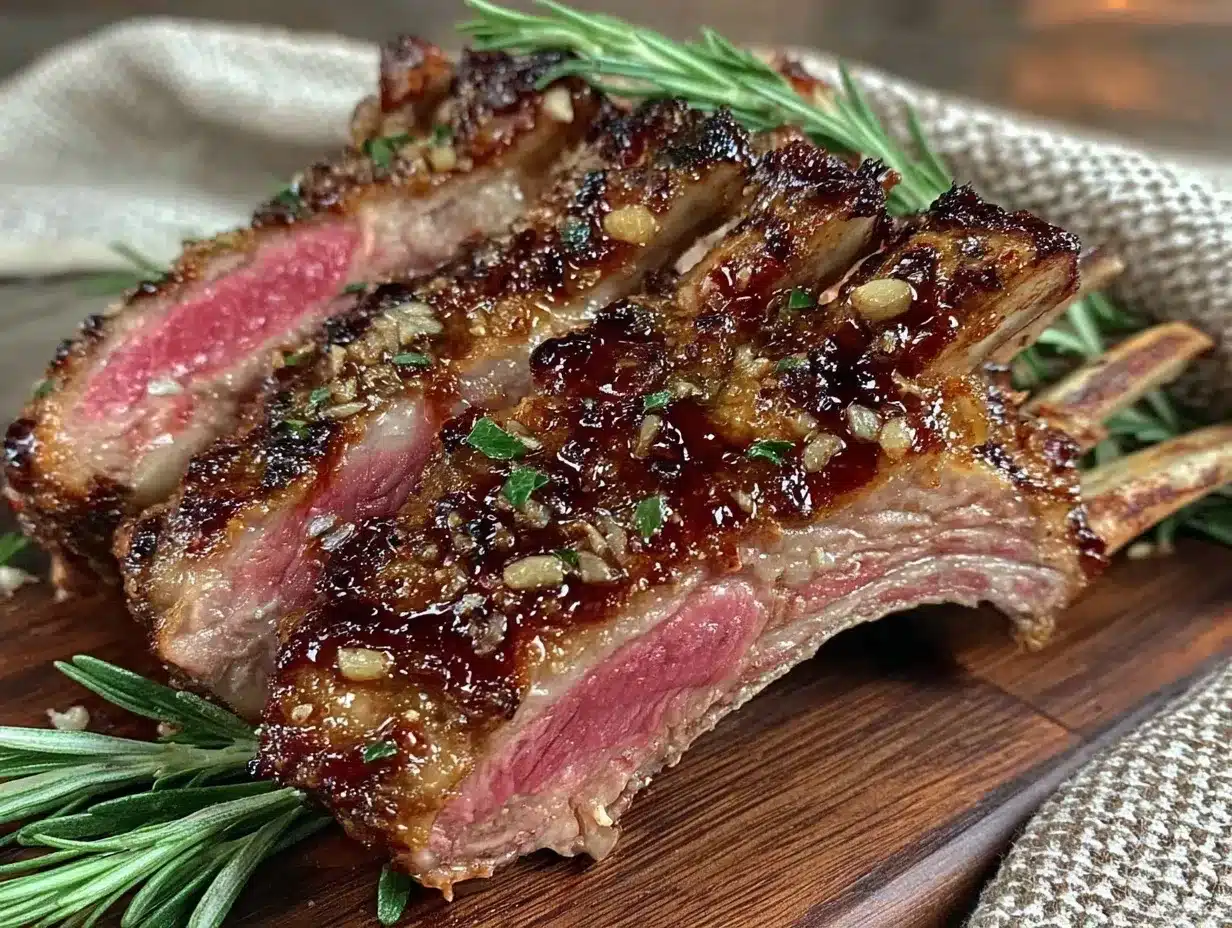
Let’s get into the nitty-gritty. This process is straightforward, but timing is everything. Follow these steps closely for the best results.
Step 1: Prep the Lamb (10 minutes)
Take your rack of lamb out of the fridge about 30 minutes before cooking. Let it come to room temperature. This ensures even cooking. If you throw cold meat on a hot grill, the outside burns before the inside cooks. Pat the meat dry with paper towels. Moisture is the enemy of a good sear. Remove any loose fat that might drip and cause flare-ups.
Step 2: Make the Marinade (5 minutes)
In a small bowl, mix 1/4 cup of olive oil, 3 cloves of minced garlic, 2 tablespoons of Dijon mustard, 1 tablespoon of chopped fresh rosemary, 1 tablespoon of chopped fresh thyme, 1 teaspoon of sea salt, and 1/2 teaspoon of black pepper. Whisk it until it’s a smooth paste. The mustard and oil should emulsify slightly. This mixture is your flavor base.
Step 3: Coat the Meat (5 minutes)
Rub the marinade all over the lamb. Get it into every crevice. Make sure the fat cap is coated too. This adds flavor and helps the fat render. Let it sit for at least 15 minutes while you heat the grill. Don’t rush this. The flavors need a moment to start working.
Step 4: Heat the Grill (10 minutes)
Preheat your grill to high heat. You want it around 450°F to 500°F (230°C to 260°C). If you’re using charcoal, pile the coals on one side for indirect heat later. For gas, turn all burners to high. Once it’s hot, clean the grates with a brush. Then, dip a paper towel in oil and hold it with tongs to grease the grates. This prevents sticking.
Step 5: Grill the Lamb (12-15 minutes)
Place the rack on the grill bone-side down first. This protects the meat from direct flame. Cook for 3-4 minutes to get a sear. Then, flip it over. Cook the meat side for another 4-5 minutes. If you want a crust, you can press the meat against the grates. After that, move the rack to indirect heat (or turn off the burners under it). Close the lid and cook for another 4-5 minutes. Check the internal temperature. You want 125°F-130°F (52°C-54°C) for medium-rare. Remember, it will carry over 5 degrees as it rests.
Step 6: Rest and Slice (10 minutes)
Remove the lamb from the grill. Place it on a cutting board or wire rack. Tent it loosely with foil. Do not skip the resting phase. The juices need to redistribute. If you cut it immediately, all the juice runs out, and you’re left with dry meat. Wait 10 minutes. Then, slice between the bones. Serve immediately.
Cooking Tips & Techniques
I’ve made my fair share of mistakes, so you don’t have to. Here are some pro tips to keep your lamb juicy.
First, don’t flip the meat too often. You want a good crust. If you keep moving it, you lose the sear. Let it sit. Second, watch for flare-ups. Lamb fat drips onto the flames, causing smoke. If the smoke gets too thick, move the meat to a cooler part of the grill. Third, use your thermometer. It’s not cheating; it’s science. Pull the meat when it’s 5 degrees below your target temp. The residual heat will finish the job.
Another trick is to tie the rack with kitchen twine if the bones are splayed out. This helps it cook evenly and looks pretty when served. Also, don’t overcrowd the grill. Give the meat space. Airflow is key for even cooking. If you’re grilling multiple racks, rotate them halfway through. Finally, salt your meat generously. Salt draws out moisture initially, but then it reabsorbs, seasoning the meat from the inside out. It’s a simple step that makes a big difference.
Variations & Adaptations
While the classic herb crust is amazing, you can play with flavors. Here are a few ideas.
Mediterranean Style: Swap the rosemary for oregano and add some lemon zest to the marinade. The citrus brightens the heavy lamb flavor. Serve with a tzatziki sauce on the side.
Asian-Inspired: Replace the Dijon with soy sauce and add ginger and sesame oil to the mix. This gives a different umami profile. Garnish with sesame seeds and green onions.
Spicy Kick: Add red pepper flakes or a dash of cayenne to the herb mix. If you like heat, this balances the richness of the meat. Serve with a cooling yogurt dip.
I once tried a pomegranate glaze variation. It was sweet and tangy, and it caramelized beautifully on the grill. It’s a bit more work, but the flavor contrast is stunning. Try it if you want something unique. You can also adjust the cook time if you prefer well-done lamb, though I strongly advise against it for this cut.
Serving & Storage Suggestions
How you serve this matters. Pair the lamb with roasted vegetables like asparagus or carrots. They absorb the lamb juices and taste incredible. A light salad with a vinaigrette cuts through the richness. For drinks, a full-bodied red wine like Cabernet Sauvignon or Syrah works best. The tannins in the wine complement the meat.
If you have leftovers, store them in an airtight container in the fridge for up to three days. Reheat gently in a low oven or a skillet with a little broth. Avoid the microwave, as it can make the meat rubbery. You can also freeze the cooked lamb, but the texture might change slightly. Slice it before freezing for easier thawing. The flavors actually deepen a bit after a day in the fridge, so leftovers are still good.
Nutritional Information & Benefits
Lamb is a great source of protein and essential nutrients. It’s rich in zinc, which supports your immune system, and vitamin B12, which is important for energy. A typical serving of grilled lamb has about 20-25 grams of protein. It’s also lower in carbohydrates, making it suitable for low-carb or keto diets. However, it does have some saturated fat, so enjoy it in moderation. The herbs and olive oil add healthy antioxidants. It’s a nutrient-dense meal that keeps you full and satisfied.
Conclusion
Grilling a rack of lamb doesn’t have to be intimidating. With this five-step method, you can achieve restaurant-quality results at home. It’s about respecting the meat, using fresh ingredients, and paying attention to the details. I love this recipe because it brings people together. There’s something communal about sharing a grilled meal. It’s warm, it’s flavorful, and it’s deeply satisfying.
I encourage you to try it. Experiment with the herbs, adjust the spice level, and make it your own. Don’t be afraid to ask your butcher for advice. They are a great resource. And when you take that first bite, remember the effort it took to get there. It’s worth it. Let me know how it turns out in the comments below. I’d love to hear about your variations. Happy grilling!
FAQs
How do I know when the lamb is done?
The most accurate way is to use an instant-read thermometer. For medium-rare, aim for an internal temperature of 125°F to 130°F (52°C to 54°C). The meat will continue to cook slightly after you remove it from the grill, so pull it off when it’s 5 degrees below your target.
Can I use dried herbs instead of fresh?
You can, but fresh herbs provide a brighter, more aromatic flavor that stands up better to grilling. If you must use dried herbs, use half the amount called for in the recipe, as dried herbs are more concentrated. Add them to the oil mixture to rehydrate them slightly before applying.
What side dishes go well with grilled lamb?
Roasted potatoes, grilled asparagus, and a fresh cucumber salad are classic pairings. The freshness of the vegetables balances the richness of the lamb. A light red wine or a crisp white wine also complements the meal well.
How should I store leftover lamb?
Store leftovers in an airtight container in the refrigerator for up to three days. To reheat, use a low oven or a skillet with a little broth to keep the meat moist. Avoid the microwave, as it can make the lamb tough.
Is frenched lamb necessary?
While not strictly necessary, frenched lamb (where the bones are cleaned of meat and fat) looks more elegant and is easier to eat. If you buy unfrenched racks, you can clean the bones yourself with a sharp knife, or just enjoy the meat between the bones. It doesn’t affect the cooking process.
Pin This Recipe!
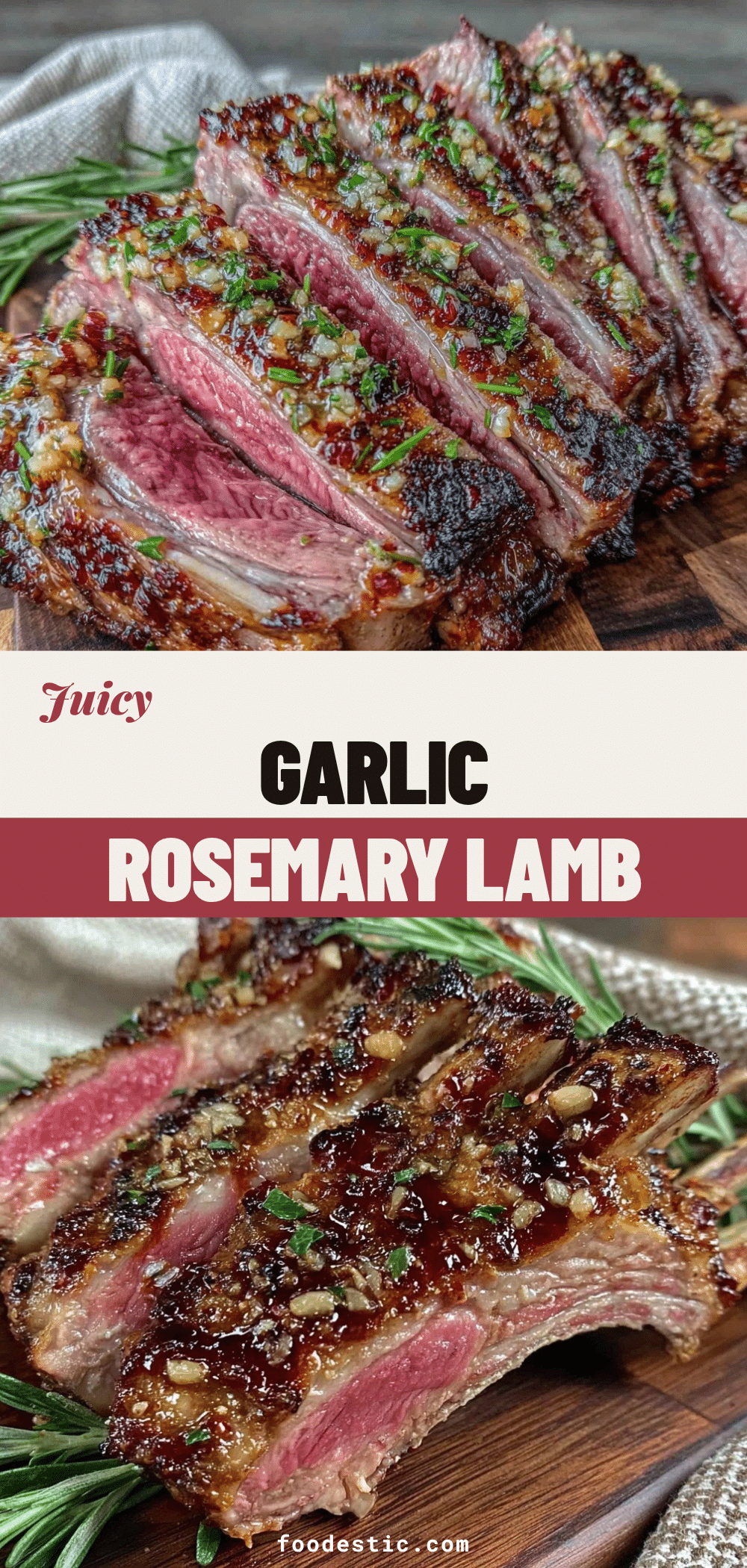
Juicy Grilled Rack Of Lamb: Best 5-Step Easy Recipe
- Total Time: 45 minutes
- Yield: 2 servings 1x
Description
A reliable and impressive recipe for grilling a rack of lamb with a herb crust. This method ensures tender, juicy meat with a perfect sear using simple ingredients and precise temperature control.
Ingredients
- 1–2 racks of lamb, frenched
- 1/4 cup extra virgin olive oil
- 3 cloves garlic, minced
- 2 tablespoons Dijon mustard
- 1 tablespoon fresh rosemary, chopped
- 1 tablespoon fresh thyme, chopped
- 1 teaspoon sea salt (kosher)
- 1/2 teaspoon black pepper, freshly cracked
- Butter (optional, for basting)
Instructions
- Remove lamb from fridge 30 minutes before cooking to reach room temperature. Pat dry with paper towels and remove loose fat.
- In a small bowl, whisk together olive oil, minced garlic, Dijon mustard, chopped rosemary, chopped thyme, salt, and pepper to form a smooth paste.
- Rub the marinade all over the lamb, ensuring the fat cap is coated. Let sit for at least 15 minutes.
- Preheat grill to high heat (450°F-500°F). Clean grates and grease them with oil using tongs.
- Place lamb bone-side down on the grill for 3-4 minutes to sear. Flip and cook meat-side for 4-5 minutes. Move to indirect heat, close lid, and cook for another 4-5 minutes until internal temperature reaches 125°F-130°F.
- Remove lamb from grill and rest on a cutting board or wire rack, tented loosely with foil, for 10 minutes. Slice between bones and serve.
Notes
Let the lamb come to room temperature for even cooking. Do not skip the resting phase to allow juices to redistribute. Use an instant-read thermometer to avoid overcooking; pull meat at 125°F-130°F for medium-rare as it will carry over 5 degrees while resting. Ensure grill grates are clean and oiled to prevent sticking.
- Prep Time: 30 minutes
- Cook Time: 15 minutes
- Category: Main Course
- Cuisine: Mediterranean
Nutrition
- Serving Size: 1 rack per person
- Calories: 450
- Sodium: 600
- Fat: 30
- Saturated Fat: 12
- Carbohydrates: 2
- Protein: 25
Keywords: grilled lamb, rack of lamb, easy lamb recipe, grilling tips, herb crust lamb, medium rare lamb, dinner party food