There is a specific kind of hunger that hits around 7:30 PM on a Tuesday. It’s not the polite, “I might want a snack” hunger. It’s the loud, demanding, “feed me something hot and salty right now” hunger. I used to panic when this hit. I’d stare into the fridge, hoping a miracle meal would appear, usually settling for something bland or ordering takeout that arrived cold and soggy. Then, I discovered soy sauce fried rice. It changed everything.
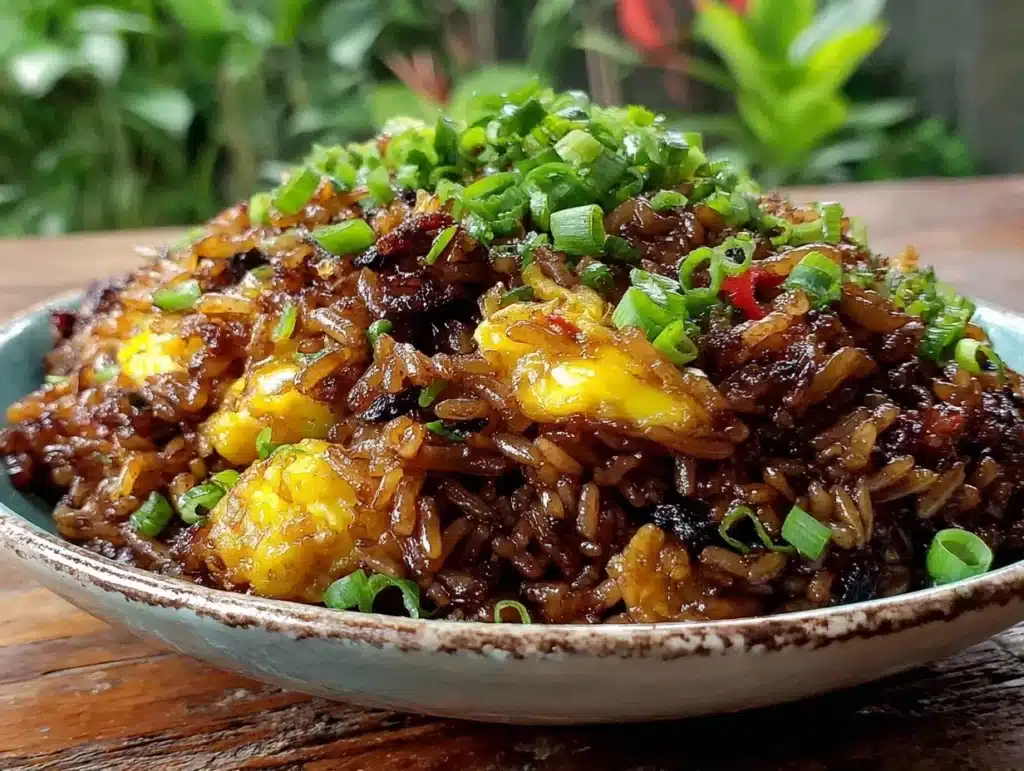
This isn’t just about saving time, though 15 minutes is a miracle in a weeknight world. It’s about that first bite. You know the feeling? When the rice is slightly crispy at the bottom, the soy sauce adds that deep, umami richness, and the green onions provide a fresh crunch? It’s comfort food that doesn’t weigh you down. I’ve made this recipe over fifty times, from my tiny apartment kitchen to my current house with a proper stove. It has never failed me once.
People often ask if it’s too simple to be good. Honestly, simplicity is the point. You don’t need fancy ingredients or hours of prep. You need day-old rice, a hot wok, and a little bit of patience. This recipe is perfect for busy families, college students on a budget, or anyone who loves the taste of Chinese takeout but wants to control what goes into their food. It’s healthy-ish, quick, and endlessly customizable. Let’s face it, life is hard enough. Dinner shouldn’t be.
Why You’ll Love This Recipe
After testing this soy sauce fried rice countless times, I can confidently say it’s the most reliable weeknight meal in my rotation. It’s not just about speed, though getting dinner on the table in under 20 minutes is a huge win. It’s about the flavor profile that feels like a hug on a plate. Here is why this recipe stands out from the hundreds of fried rice recipes online:
- Quick & Easy: This comes together in under 15 minutes. If you have leftover rice ready, you can have it on the table before the pizza delivery guy even knocks. It’s perfect for those chaotic weeknights when you’re tired after work.
- Simple Ingredients: You likely already have everything in your kitchen. Rice, eggs, green onions, soy sauce, and maybe some frozen peas or carrots. No fancy grocery trips needed. It’s pantry-friendly cooking at its finest.
- Perfect for Meal Prep: This recipe stores beautifully. It’s great for lunch boxes or reheating for a quick dinner the next day. The flavors actually seem to meld together a bit more after sitting in the fridge for a few hours.
- Crowd-Pleaser: Kids who usually pick at their food will devour this. The savory soy flavor is universally loved. I’ve served this to picky eaters and food critics alike, and the verdict is always the same: “More, please.”
- Unbelievably Delicious: The texture is key. We aim for that slight crispiness on the rice grains while keeping the inside tender. It’s next-level comfort food that feels indulgent but is actually quite straightforward.
What makes this different from other versions? It’s the technique. Many people rush the rice, leading to mushy, clumpy results. I’ve learned that using cold, day-old rice is non-negotiable for that perfect separation. Also, the order in which you add ingredients matters. Getting the eggs fluffy before adding the rice ensures every grain gets coated in that golden, savory sauce. It’s not just another version; it’s the version that works every single time.
Emotionally, this recipe is a lifesaver. It’s the kind of dish that makes you feel like a competent adult chef, even when you’re exhausted. It turns a simple ingredient like leftover rice into something special. It’s comfort food reimagined for modern life—faster, easier, but with the same soul-soothing satisfaction. Whether you are feeding a hungry family or just treating yourself, this soy sauce fried rice delivers.
What Ingredients You Will Need
This recipe relies on simple, wholesome ingredients to deliver bold flavor and satisfying texture without the fuss. The magic lies in the quality of your soy sauce and the condition of your rice. Here is exactly what you need to gather before you start cooking.
For the Base
- Cooked White Rice: 3 cups of cold, day-old jasmine rice is ideal. Jasmine has the right fragrance and texture. If you use freshly cooked rice, spread it on a baking sheet and freeze it for 20 minutes to dry it out. (This is crucial for preventing mush.)
- Neutral Oil: 2 tablespoons of vegetable or canola oil. You need a high smoke point oil to get that wok hei (breath of the wok) flavor without burning. Peanut oil is great if you have it, but it’s not mandatory.
For the Flavor Profile
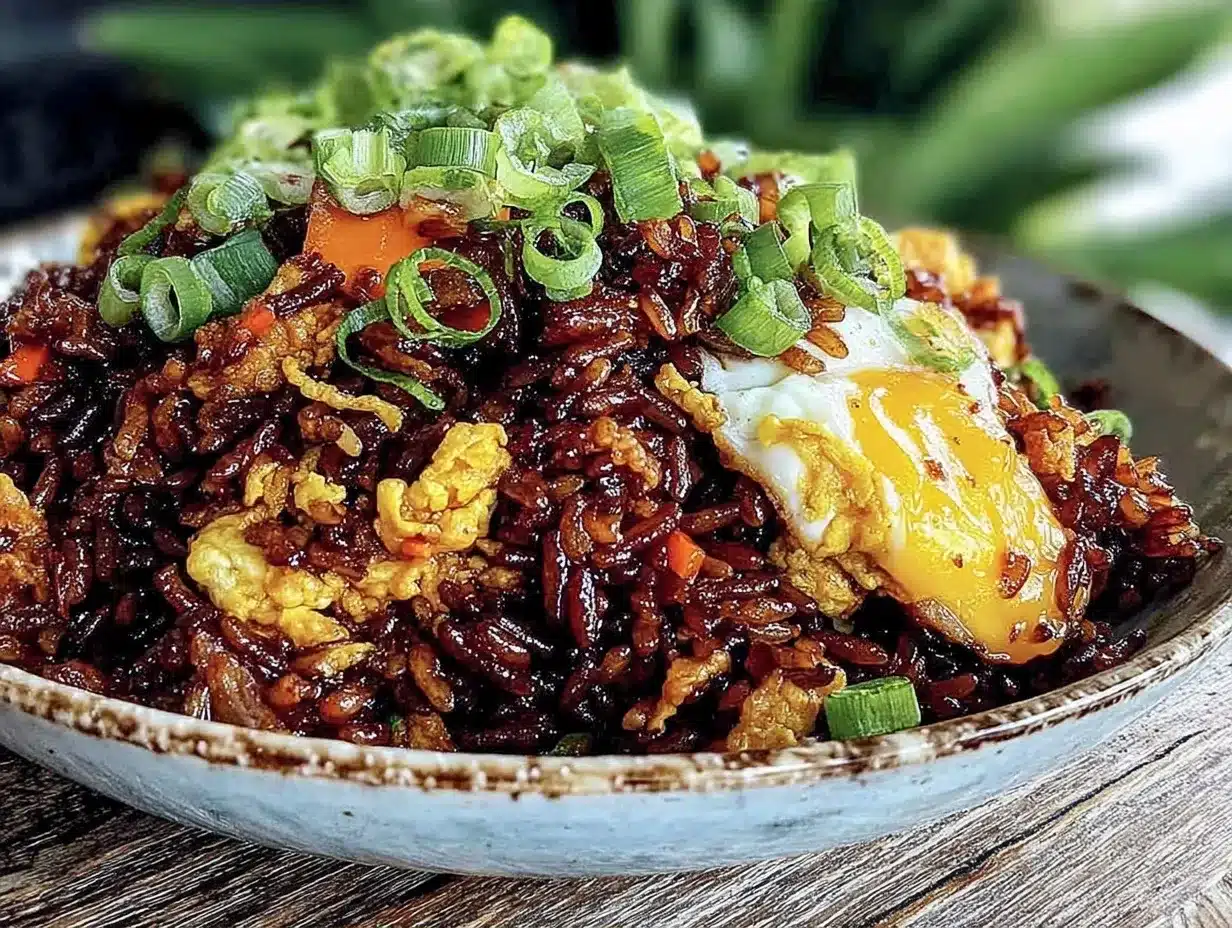
- Soy Sauce: 3 tablespoons of low-sodium soy sauce. I recommend Kikkoman or a similar high-quality brand for consistent flavor. Low sodium allows you to control the saltiness, as the rice and other ingredients will add more salt.
- Dark Soy Sauce (Optional): 1 teaspoon. This adds a deeper color and a slight molasses-like sweetness. It’s not essential, but it gives that restaurant-quality dark hue. If you skip it, just add an extra teaspoon of regular soy sauce.
- White Pepper: ½ teaspoon. This is the secret ingredient that gives authentic fried rice its distinct aroma. Black pepper works in a pinch, but white pepper is the real deal for this dish.
- Garlic: 2 cloves, minced. Fresh garlic is best here. Don’t use powder; you want that fresh bite.
- Ginger: 1 teaspoon, freshly grated. Adds a warm, zesty note that cuts through the richness of the oil and soy sauce.
For the Mix-Ins
- Eggs: 2 large eggs, beaten. Room temperature eggs cook more evenly. You can scramble them directly in the pan or make separate omelets and chop them up. I prefer scrambling them in the pan for efficiency.
- Green Onions: 3 stalks, chopped. Separate the white parts (for cooking with aromatics) and the green parts (for garnish).
- Frozen Peas and Carrots: ½ cup total. No need to thaw. They add sweetness and color. If you prefer fresh vegetables, diced bell peppers or corn work well too.
For substitutions, you can use brown rice for a nuttier flavor and more fiber, though it will change the texture slightly. If you are vegan, swap the eggs for firm tofu cubes and use a vegetarian soy sauce. I’ve also made this with leftover roast chicken or shrimp, which adds a nice protein boost. The beauty of this recipe is its flexibility.
Equipment Needed
You don’t need a professional kitchen to make great fried rice, but having the right tools helps. The most important piece of equipment is your pan. A large wok is traditional and ideal because of its shape, which allows for easy tossing and even cooking. However, a large non-stick skillet or a cast-iron skillet works perfectly fine if you don’t have a wok. Just make sure it’s big enough to hold 3 cups of rice without crowding. Crowding leads to steaming instead of frying, which is what we want to avoid.
You will also need a wooden spoon or a silicone spatula. Metal utensils can scratch non-stick surfaces, so stick to wood or silicone. A small bowl for beating your eggs and another for mixing your sauces beforehand is helpful. Mise en place is key here because everything cooks very fast. Once the rice hits the pan, you won’t have time to measure things.
If you are using a gas stove, you’ll love the control. If you have an electric coil stove, just make sure your pan is preheated thoroughly. A heavy-bottomed stainless steel pan is good for heat retention, but it requires a bit more oil to prevent sticking. For budget-friendly options, a standard 12-inch non-stick skillet is affordable and does the job well. Just avoid thin, cheap pans that warp easily, as they create hot spots that burn the rice.
Preparation Method
Let’s get cooking. This process is fast, so have everything ready before you turn on the heat.
- Prep Your Rice: Break up any clumps in your cold rice with your fingers. You want individual grains. If it’s in a big block, give it a good stir with a fork. This step takes about 2 minutes.
- Mix the Sauce: In a small bowl, whisk together the soy sauce, dark soy sauce (if using), and white pepper. Set it aside. Having this ready prevents you from burning the garlic while looking for the soy sauce bottle later.
- Heat the Pan: Place your wok or skillet over medium-high heat. Add the oil and let it heat until it shimmers but doesn’t smoke. This should take about 1-2 minutes. You want it hot enough to sizzle immediately when the rice hits.
- Cook the Aromatics: Add the white parts of the green onions, minced garlic, and grated ginger. Stir-fry for about 30 seconds until fragrant. Be careful not to burn the garlic, which turns bitter quickly.
- Scramble the Eggs: Push the aromatics to the side of the pan. Pour in the beaten eggs. Let them sit for 10 seconds, then scramble them until just cooked but still soft. Break them into small pieces. Mix them back in with the aromatics.
- Add the Rice: Add the rice to the pan. Use your spatula to press down on the rice and break up any remaining clumps. Stir-fry vigorously for 2-3 minutes. You want the rice to toast slightly. Listen for the sizzling sound; if it’s quiet, your pan isn’t hot enough.
- Season and Toss: Pour the soy sauce mixture over the rice. Toss everything together quickly to ensure even coating. Add the frozen peas and carrots now. Continue to stir-fry for another 2-3 minutes. The rice should be hot throughout and slightly crispy.
- Finish and Serve: Turn off the heat. Stir in the green parts of the green onions. Taste and adjust with salt or more soy sauce if needed. Serve immediately while hot.
Troubleshooting tip: If the rice is sticking, your pan is too cold or not oiled enough. If it’s mushy, you used fresh rice or added too much liquid sauce. Keep the heat high and keep moving!
Cooking Tips & Techniques
I’ve made my fair share of fried rice disasters over the years. One time, I used freshly cooked rice and ended up with a sticky, gummy mess that looked more like porridge than fried rice. Lesson learned: cold rice is king. The starch in cold rice has retrograded, making it drier and less sticky. This is what allows the grains to separate and fry properly.
Another common mistake is overcrowding the pan. If you are making a large batch, do it in two rounds. Cooking too much at once lowers the pan temperature, causing the rice to steam instead of fry. You want that Maillard reaction, the browning that creates flavor. High heat is your friend here, but be careful not to burn the oil.
For consistency, always taste as you go. Soy sauces vary in saltiness. Kikkoman is saltier than some artisanal brands. Adjust accordingly. Also, don’t skip the white pepper. It’s subtle but adds that authentic Chinese restaurant aroma that you can’t replicate with black pepper alone.
Timing is everything. Have your sauce mixed and your veggies chopped before you start. The whole cooking process from adding rice to plating should take no more than 5-7 minutes. Multitasking is key here. While the rice is toasting, you can be prepping garnishes. This technique ensures every bite is perfectly cooked and flavorful.
Variations & Adaptations
While the classic soy sauce version is my go-to, this recipe is a blank canvas. Here are a few ways to twist it up:
- Vegetable Loaded: Add diced carrots, corn, peas, and even diced mushrooms. Mushrooms add a great umami boost. Sauté the harder veggies first before adding the rice.
- Protein Power: Add diced chicken, shrimp, or char siu pork. Cook the protein first, remove it, then proceed with the recipe, adding the protein back in at the end. This ensures the protein stays tender.
- Spicy Kick: Add a teaspoon of chili garlic sauce or sriracha to the soy sauce mixture. For heat lovers, sprinkle with chili flakes or sliced fresh chilies at the end.
- Gluten-Free: Simply swap regular soy sauce for tamari. The rest of the ingredients are naturally gluten-free. Just check your soy sauce label to be sure.
I once made this with leftover Thanksgiving turkey and it was amazing. The turkey added a savory depth that worked surprisingly well. You can also use brown rice for a healthier option, though you may need a bit more oil to prevent sticking. The key is to keep the ratios of liquid to rice consistent.
Serving & Storage Suggestions
Serve this fried rice hot, straight from the pan. It pairs wonderfully with a simple cucumber salad or steamed broccoli. I often serve it with a side of hot and sour soup for a complete meal. A drizzle of sesame oil or a sprinkle of sesame seeds adds a nice finishing touch.
For storage, let the rice cool to room temperature, then transfer it to an airtight container. It will keep in the refrigerator for up to 3 days. To reheat, add a splash of water to the pan or microwave with a damp paper towel to restore moisture. The microwave can make rice dry, so the stovetop method is best for reheating.
Flavors develop over time, so it often tastes even better the next day. However, it’s best enjoyed fresh when the rice is still slightly crispy. Avoid freezing fried rice if possible, as the texture of the rice can become grainy and unpleasant after thawing.
Nutritional Information & Benefits
This soy sauce fried rice is a balanced meal. White rice provides quick energy, while the eggs add high-quality protein. The vegetables add fiber and vitamins. While it is not a low-carb dish, it is relatively low in fat if you control the oil amount. One serving contains approximately 350-400 calories, depending on the oil and soy sauce used.
It is a good source of carbohydrates for active individuals. If you are watching your sodium intake, use low-sodium soy sauce and add more herbs and spices for flavor. For those with gluten sensitivities, using tamari makes this dish safe. It’s a comforting meal that doesn’t leave you feeling sluggish, especially if you balance it with a side of greens.
Conclusion
This soy sauce fried rice is more than just a quick dinner; it’s a testament to the power of simple ingredients and good technique. It’s perfect for busy weeknights, lazy Sundays, or when you need a reliable meal that tastes like it came from a restaurant. I love this recipe because it turns leftovers into a feast. It’s comforting, satisfying, and always a hit.
I encourage you to try it your way. Add your favorite veggies, swap the protein, or experiment with different sauces. Cooking is about making it your own. If you make this, I’d love to hear how it turned out. Leave a comment below with your favorite variations or tips. Share this recipe with a friend who needs a quick dinner idea. Happy cooking!
Frequently Asked Questions
Can I use fresh rice for fried rice?
It’s not recommended. Fresh rice is too moist and will result in a sticky, mushy texture. If you must use fresh rice, spread it on a baking sheet and freeze it for 20-30 minutes to dry it out before cooking.
What kind of rice is best for fried rice?
Jasmine rice is the best choice because of its fragrant aroma and slightly sticky but separate grains. Long-grain white rice is also a good option. Avoid short-grain rice like sushi rice, as it is too sticky.
Can I make this vegan?
Yes! Simply omit the eggs and use a vegetarian or vegan soy sauce. You can add firm tofu cubes for protein and extra vegetables for bulk. The flavor profile remains delicious and satisfying.
Why is my fried rice mushy?
This usually happens if the rice was too wet when added to the pan, or if the pan was overcrowded. Make sure your rice is cold and dry, and cook in batches if you are making a large amount.
Can I freeze fried rice?
While you can freeze it, the texture of the rice may become grainy and dry upon thawing. It’s best enjoyed fresh or stored in the fridge for a few days. If you do freeze it, reheat it in a pan with a little water to restore moisture.
Pin This Recipe!
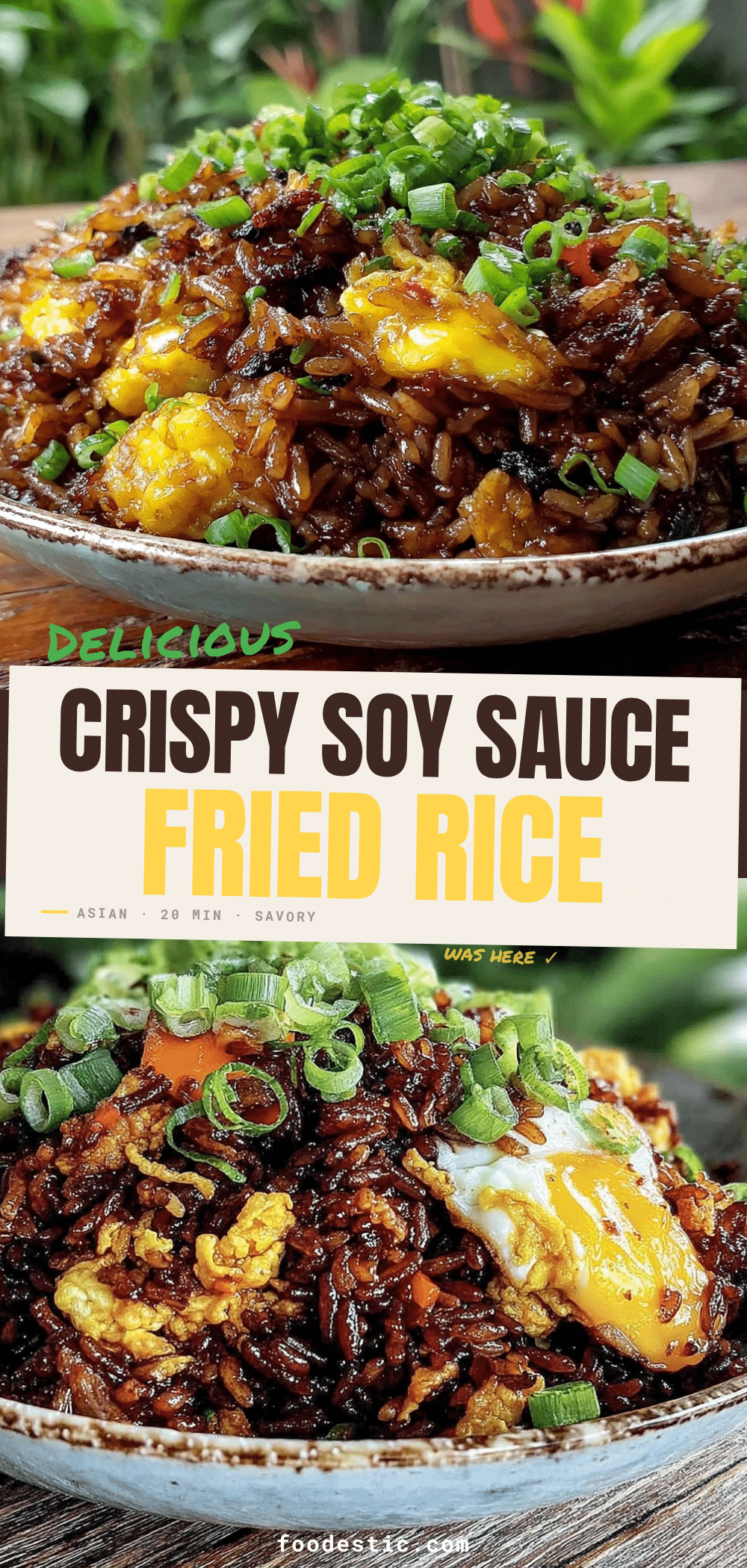
Soy Sauce Fried Rice: Easy 15-Minute Weeknight Dinner
- Total Time: 15 minutes
- Yield: 4 servings 1x
Description
A quick, flavorful, and customizable weeknight dinner featuring crispy grains of day-old rice tossed with savory soy sauce, eggs, and vegetables in under 15 minutes.
Ingredients
- 3 cups cold, day-old jasmine rice
- 2 tablespoons neutral oil (vegetable, canola, or peanut)
- 3 tablespoons low-sodium soy sauce
- 1 teaspoon dark soy sauce (optional)
- ½ teaspoon white pepper
- 2 cloves garlic, minced
- 1 teaspoon fresh ginger, grated
- 2 large eggs, beaten
- 3 stalks green onions, chopped (white and green parts separated)
- ½ cup frozen peas and carrots
Instructions
- Break up any clumps in the cold rice with your fingers to ensure individual grains.
- In a small bowl, whisk together the soy sauce, dark soy sauce (if using), and white pepper. Set aside.
- Place a wok or large skillet over medium-high heat. Add oil and heat until it shimmers but does not smoke.
- Add the white parts of the green onions, minced garlic, and grated ginger. Stir-fry for 30 seconds until fragrant, being careful not to burn the garlic.
- Push aromatics to the side of the pan. Pour in beaten eggs and scramble until just cooked but still soft. Mix back into the aromatics.
- Add the rice to the pan. Press down and break up remaining clumps. Stir-fry vigorously for 2-3 minutes until the rice toasts slightly.
- Pour the soy sauce mixture over the rice and toss quickly to coat evenly. Add frozen peas and carrots.
- Continue stir-frying for another 2-3 minutes until the rice is hot throughout and slightly crispy.
- Turn off the heat. Stir in the green parts of the green onions. Taste and adjust seasoning if needed. Serve immediately.
Notes
Use cold, day-old rice for best results to prevent mushiness. If using fresh rice, spread it on a baking sheet and freeze for 20 minutes to dry it out. Ensure the pan is hot enough to sizzle immediately when rice is added to achieve the desired texture. Do not overcrowd the pan; cook in batches if making a large amount.
- Prep Time: 5 minutes
- Cook Time: 10 minutes
- Category: Main Course
- Cuisine: Chinese
Nutrition
- Serving Size: 1 cup
- Calories: 375
- Sugar: 3
- Sodium: 600
- Fat: 12
- Saturated Fat: 2
- Carbohydrates: 55
- Fiber: 2
- Protein: 10
Keywords: fried rice, soy sauce fried rice, weeknight dinner, quick meals, easy recipes, chinese takeout at home, leftover rice, vegetarian, gluten-free option